World Artifacts › Atlas › Mexico
Nopal Cactus
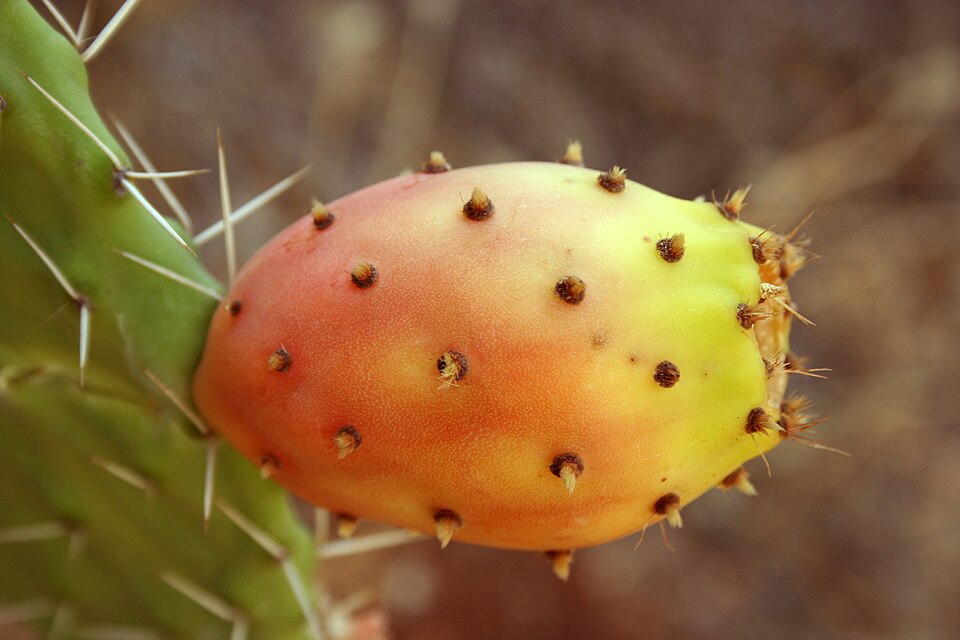
Nopal paddles are eaten as a vegetable and the fruit as a fruit, and the plant is on the flag. Cochineal insects farmed on it produced a red dye so valuable that Spain kept its source secret for two hundred years and it was the colony's second export after silver.
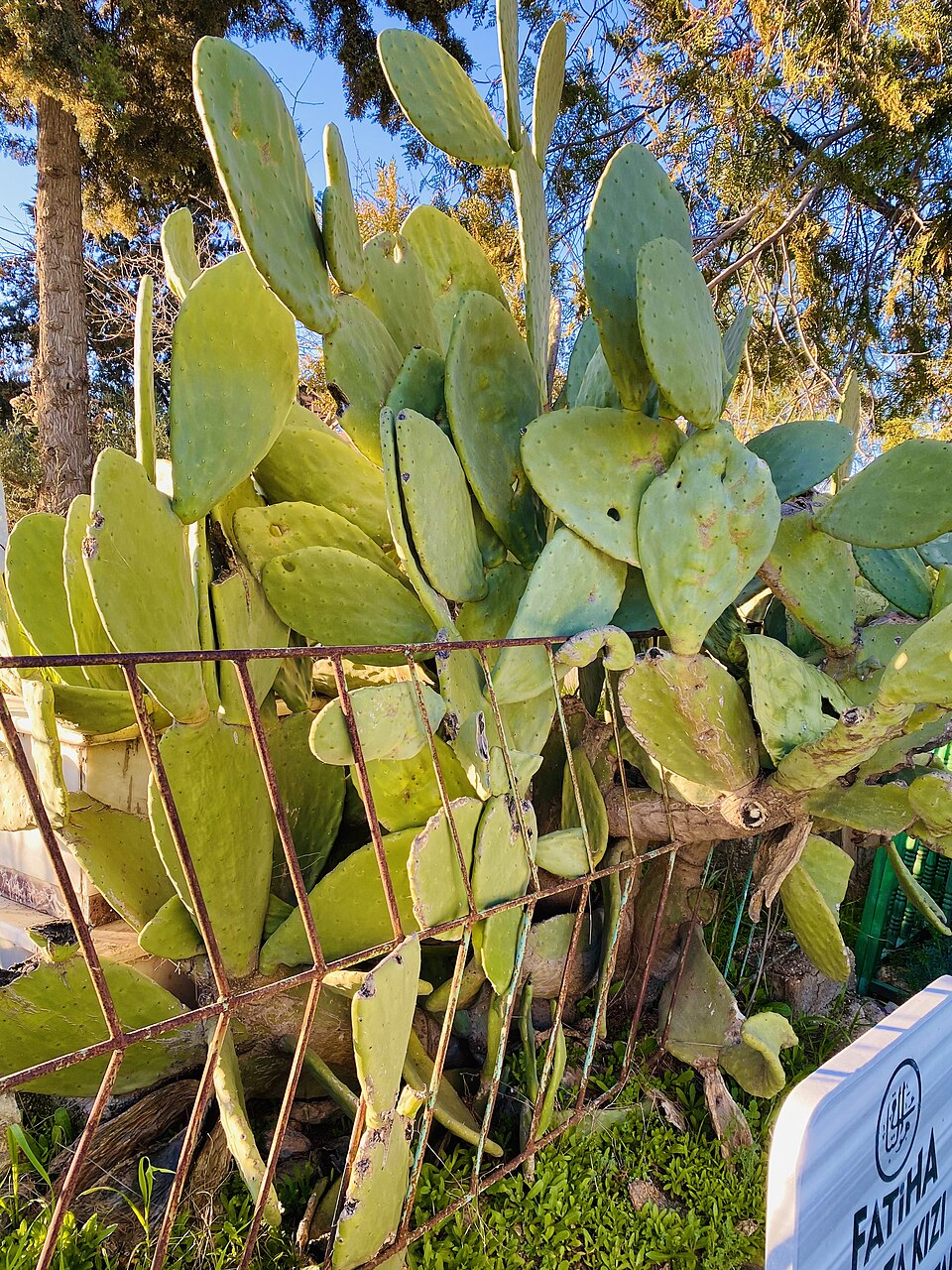
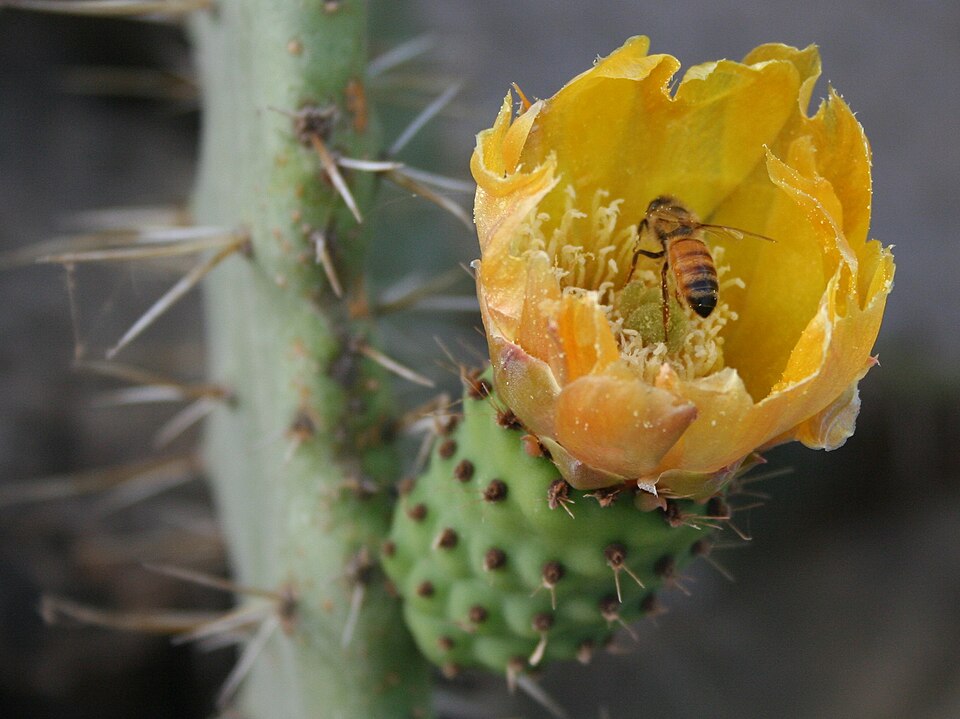
Opuntia ficus-indica, the Indian fig opuntia, fig opuntia, or prickly pear, is a species of cactus that has long been a domesticated crop plant grown in agricultural economies throughout arid and semiarid parts of the world. O. ficus-indica is the most widespread and most commercially important cactus. It is grown primarily as a fruit crop, and also for the vegetable nopales and other uses. Cacti are good crops for dry areas because they efficiently convert water into biomass. O. ficus-indica is the most widespread of the long-domesticated cactuses. Opuntia species hybridize easily, but the wild origin of O. ficus-indica is likely to have been in central Mexico, where its closest genetic relatives are found.
Further reading
- A Perfect Red · Amy Butler Greenfield (2005)A history of cochineal, the insect dye, and its role in dyes, textiles and trade.Find a copy: AbeBooks · Amazon · WorldCat
- Cochineal red · Elena Phipps (2010)A Metropolitan Museum of Art volume on cochineal as a dye, covering its history in textiles and colors.Find a copy: AbeBooks · Amazon · WorldCat
Nopal Cactus is one of the 3D puzzles in World Artifacts: turn a cloud of broken pieces until it lines up. For iPhone, iPad, Apple Vision Pro and Android.

