World Artifacts › Atlas › Mexico
Volkswagen Beetle (Vocho)
The Beetle was built in Puebla until 2003, the last ones made anywhere in the world. For decades most of Mexico City's taxis were green Beetles with the front passenger seat removed, which is how a two-door car worked as a cab.
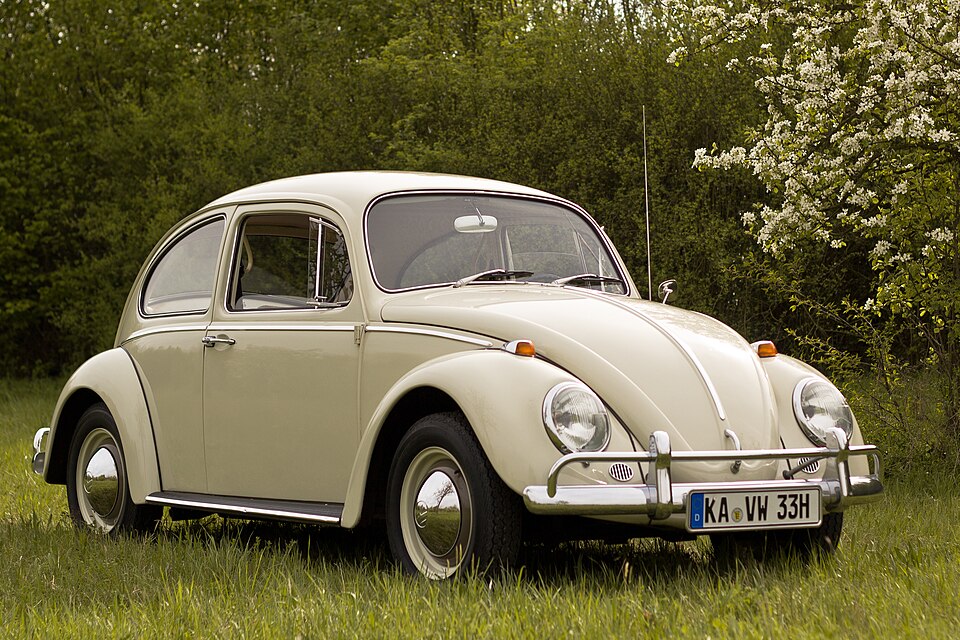
The Volkswagen Beetle, officially the Volkswagen Type 1, is a small family car produced by the German company Volkswagen from 1938 to 2003. A global cultural icon known for its bug-like design, the Beetle is widely regarded as one of the most influential cars of the 20th century. Its production period of 65 years is the longest for any single generation of automobile. With 21.5 million units produced over twenty locations worldwide, the Beetle is the best-selling car of a single platform in history and the second best-selling car nameplate of the 20th century.
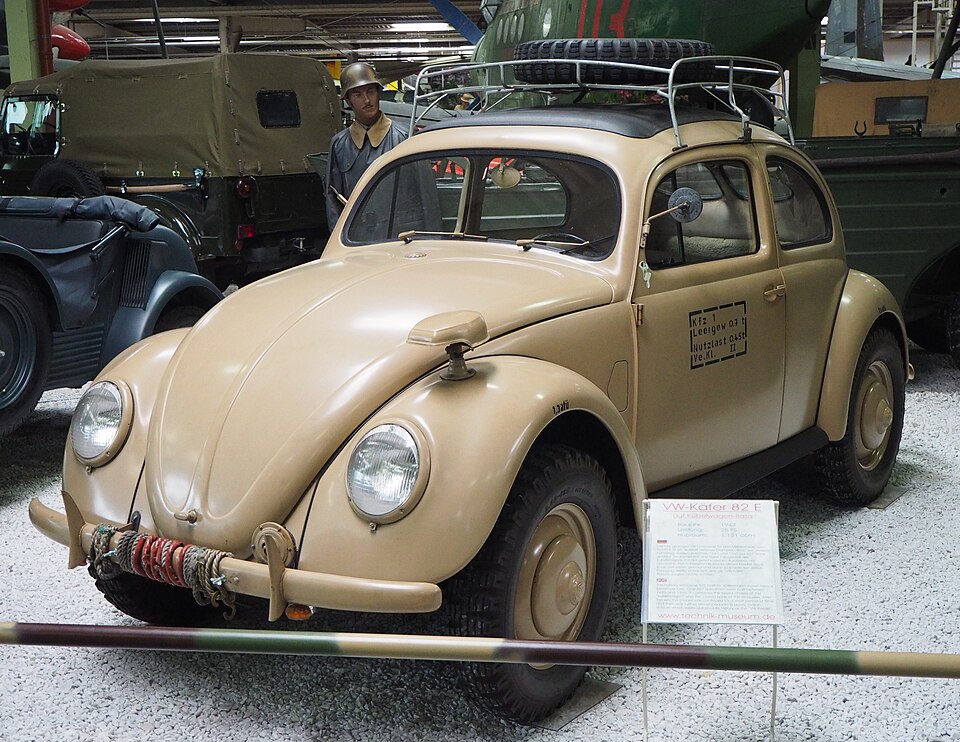
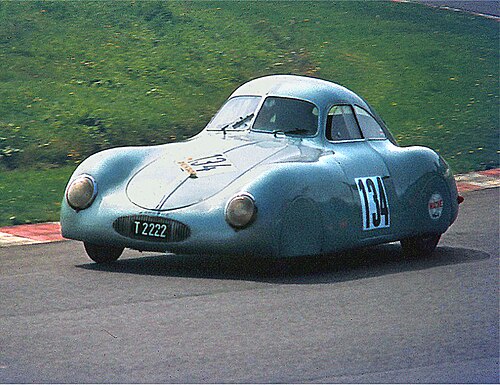
The Beetle was conceived in the early 1930s, when the leader of Nazi Germany, Adolf Hitler, decided there was a need for a people's car - an inexpensive, simple, mass-produced car - to serve Germany's new road network, the Reichsautobahn. Engineer Ferdinand Porsche and his design team began developing and designing the car in the early 1930s, but the fundamental design concept can be attributed to Béla Barényi in 1925, predating Porsche's claims by almost ten years. The result was the Volkswagen Type 1 and the introduction of the Volkswagen brand. Volkswagen initially slated production for the late 1930s, but the outbreak of World War II in 1939 delayed production until the war ended in 1945. The car was originally called the Volkswagen Type 1 and marketed simply as the Volkswagen; it was not until 1968 that it was officially named the "Beetle".
Further reading
Volkswagen Beetle (Vocho) is one of the 3D puzzles in World Artifacts: turn a cloud of broken pieces until it lines up. For iPhone, iPad, Apple Vision Pro and Android.

