World Artifacts › Atlas › Malaysia
Songket
Songket is woven with gold or silver thread laid in as an extra weft, so the pattern floats on the surface of the silk. A full ceremonial length can take months and was traditionally restricted to royalty.
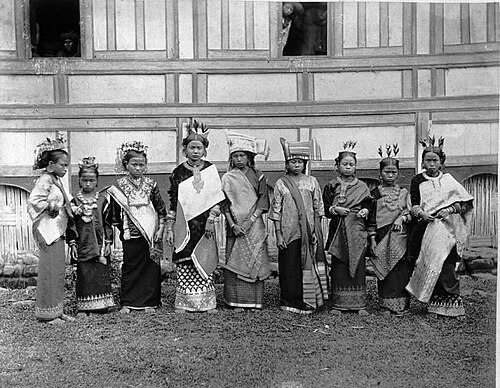
Songket or sungkit is a tenun fabric that belongs to the brocade family of textiles of Brunei, Indonesia, and Malaysia. It is hand-woven in silk or cotton, and intricately patterned with gold or silver threads. The metallic threads stand out against the background cloth to create a shimmering effect. In the weaving process the metallic threads are inserted in between the silk or cotton weft (latitudinal) threads in a technique called supplementary weft weaving technique.
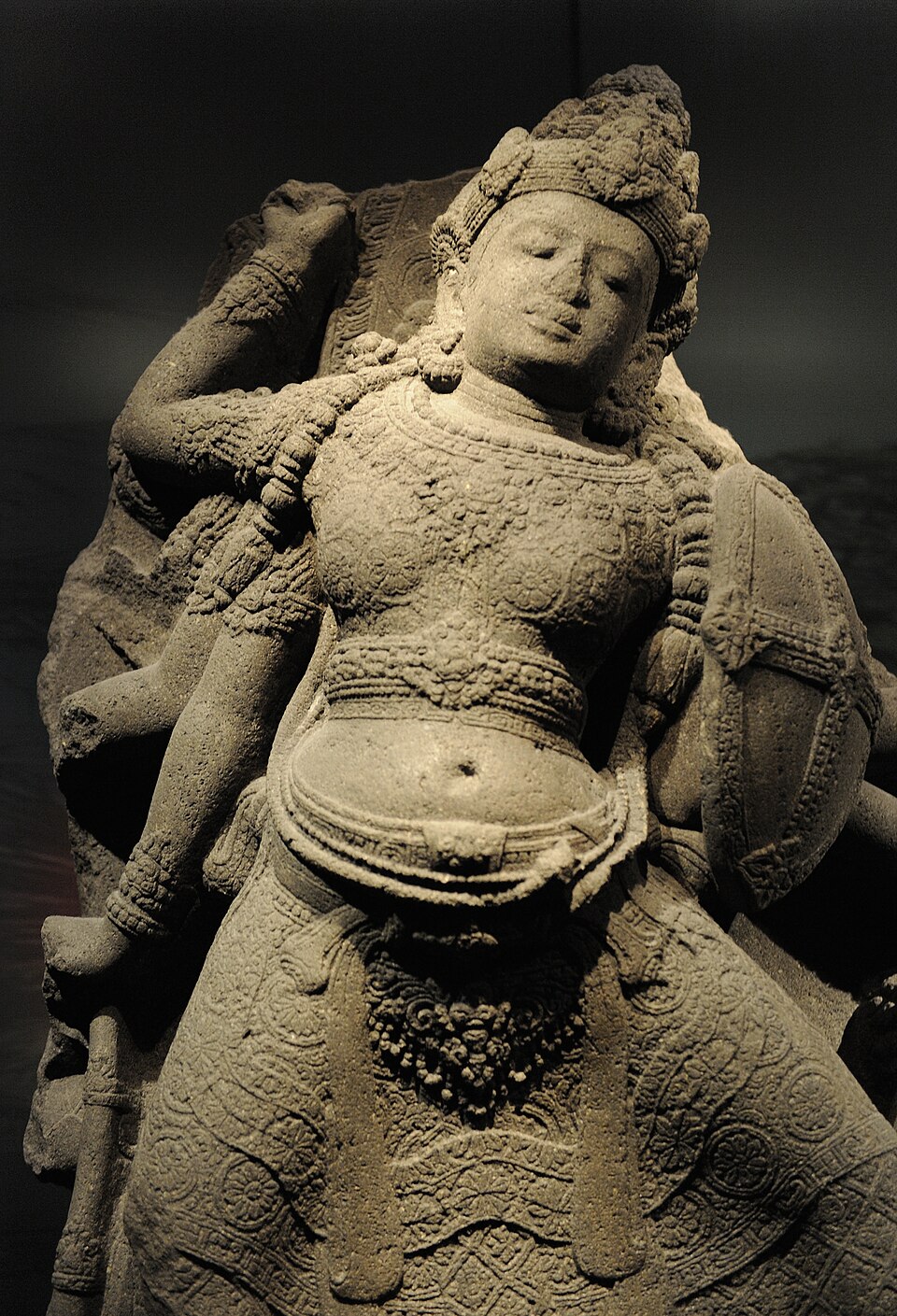
Songket is often associated with the Srivijaya Empire as the origin of the songket tradition, several types of popular Songket can not be separated from locations that were once under Srivijaya rule, one of the dominant locations which is also believed to be the capital of the Srivijaya Empire in the past, namely Palembang, which located in South Sumatra, Indonesia. Besides Palembang, several areas in Sumatra are also the best-in-class Songket producing locations, which include areas in Minangkabau or West Sumatra such as Pandai Sikek, Silungkang, Koto Gadang, and Padang. Outside of Sumatra, songket is also produced by regions such as Bali, Lombok, Sambas, Sumbawa, Makassar, Sulawesi, and other areas in Indonesia.
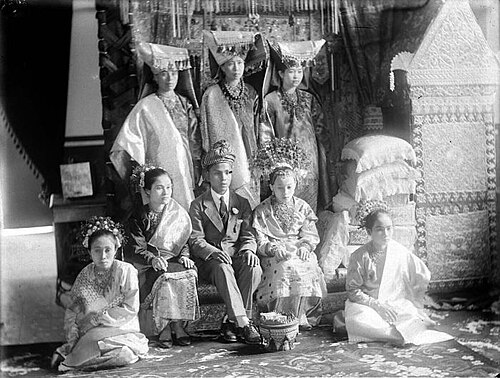
Due to the historical factors of the Srivijaya Empire, trade, and mixed marriages, Songket has also become popular in the Maritime Southeast Asia region, especially in countries around Indonesia such as Brunei, Malaysia, and Singapore.
Further reading
- Songket · Grace Inpam Selvanayagam (1990)A book devoted to songket, filed under silk and Asian textile fabrics.Find a copy: AbeBooks · Amazon · WorldCat
- Gold Cloths Of Sumatra Indonesias Songkets From Ceremony To Commodity · Susan Rodgers (2007)Covers Sumatran songket gold cloths, from their ceremonial use to their place as a commodity.Find a copy: AbeBooks · Amazon · WorldCat
Songket is one of the 3D puzzles in World Artifacts: turn a cloud of broken pieces until it lines up. For iPhone, iPad, Apple Vision Pro and Android.

