World Artifacts › Atlas › Mozambique
Mapiko Dancer
The masked Makonde dancer.
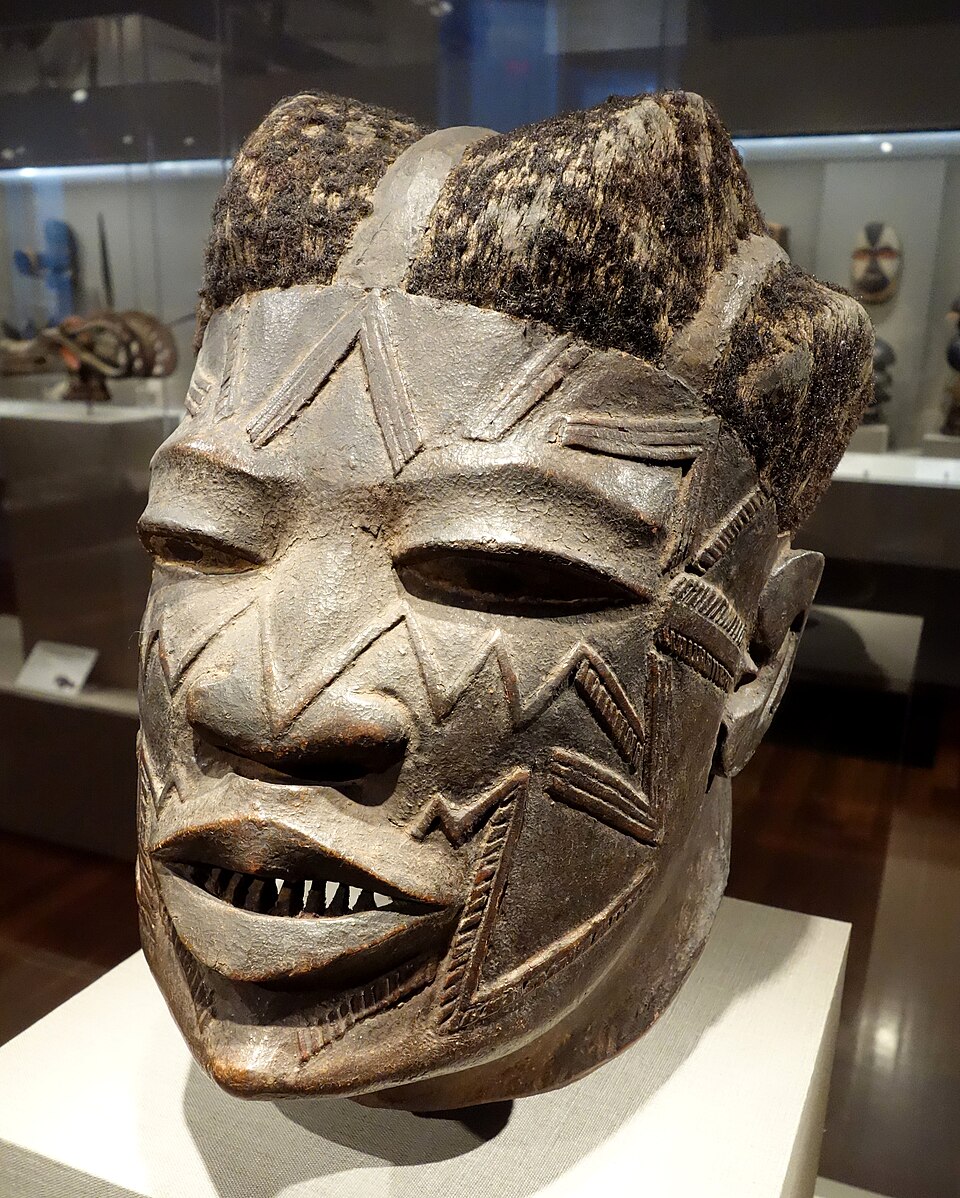
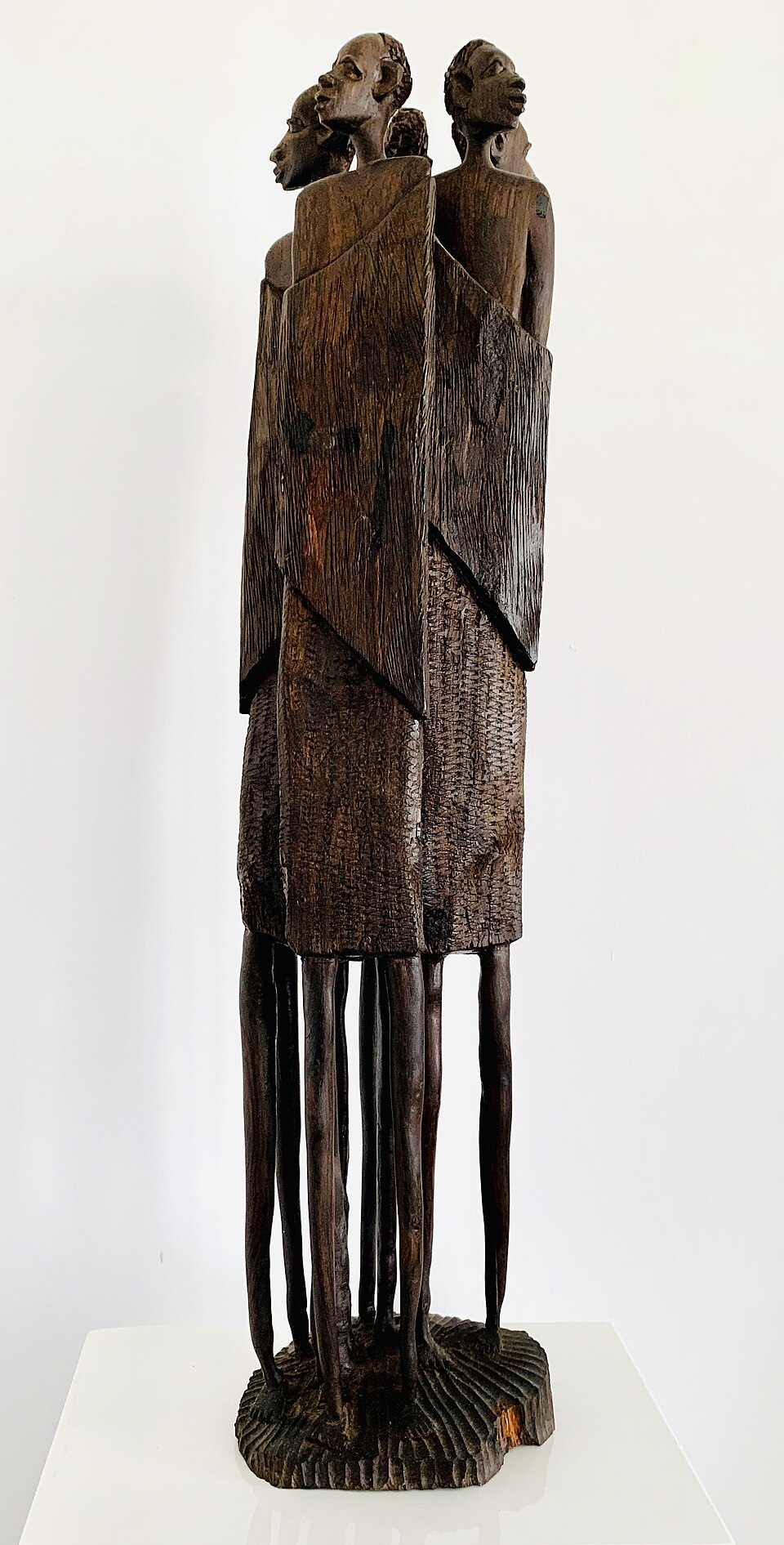
The name Makonde art refers to East African sculptures or, less frequently, modern paintings created by craftspeople or artists belonging to the Makonde people of northern Mozambique and southern Tanzania, separated by the Ruvuma river. Traditionally, the Makonde have carved ornamental boxes and pipes, ritual objects, and ritual masks out of soft njala wood. Masks are a predominant form of Makonde art and are culturally important to ritual and tradition. After colonialization, the Makonde people began to carve masks that were adapted for Western tastes.
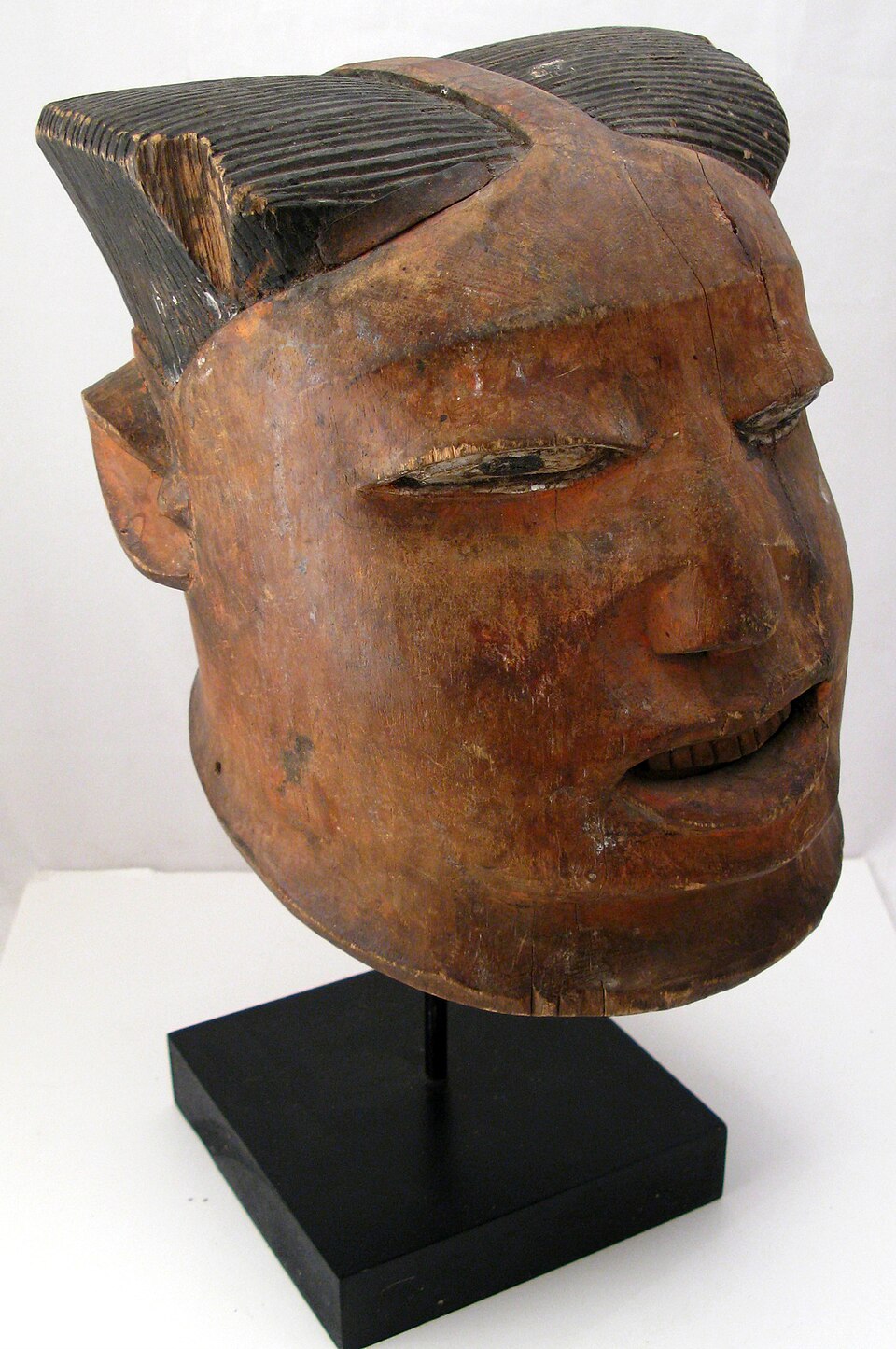
The Western categorization of Makonde art can be traced back to the 1930s, when the first documented exhibition of Makonde art was held at the Centro Cultural dos Novos in the former Portuguese colony of today's Mozambique. Art historians, dealers and collectors have subdivided the genre into African traditional artifacts and modern artistic works.
Further reading
- In Step With The Times Mapiko Masquerades Of Mozambique · Paolo Israel (2014)A study of Mapiko masquerades among the Makonde of Mozambique, covering masks, dance drama and rites.Find a copy: AbeBooks · Amazon · WorldCat
- A Host of Devils · Zachary Kingdon (2002)Covers the Makonde of the Mueda plateau in northern Mozambique, their history and sculpture.Find a copy: AbeBooks · Amazon · WorldCat
Mapiko Dancer is one of the 3D puzzles in World Artifacts: turn a cloud of broken pieces until it lines up. For iPhone, iPad, Apple Vision Pro and Android.

