World Artifacts › Atlas › Nigeria
Egusi Soup
The melon-seed soup.
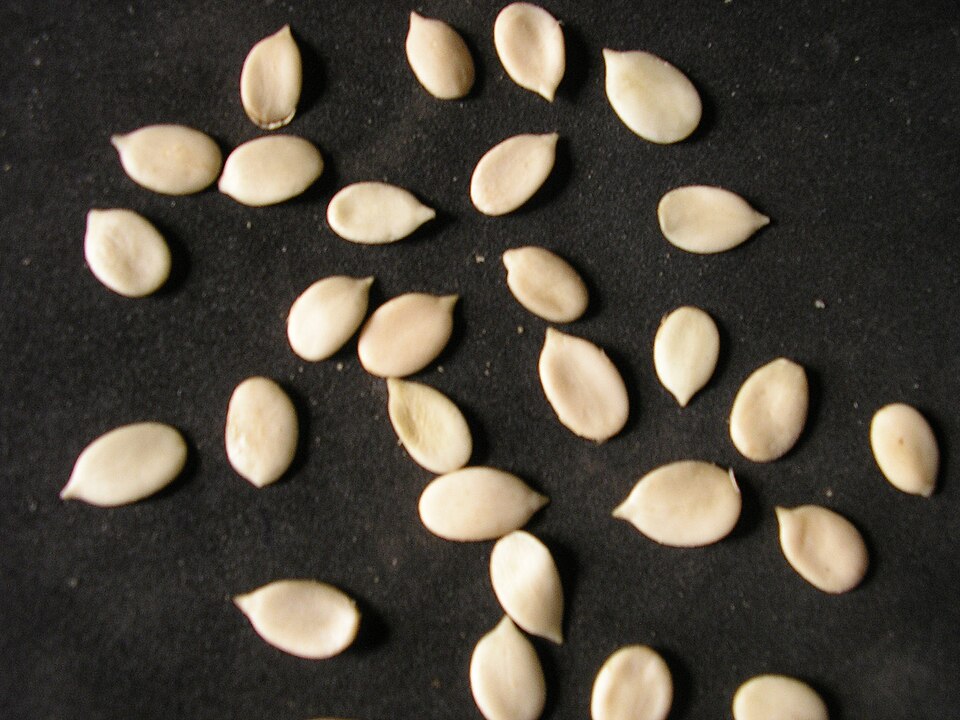
Egusi, also spelled egushi (Yoruba: Ẹ̀gúṣí), are the protein-rich seeds of certain cucurbitaceous plants (squash, melon, gourd), which, after being dried and ground, are used as a major ingredient in West African cuisine. A popular method of cooking, it is rooted in Yoruba culinary traditions.
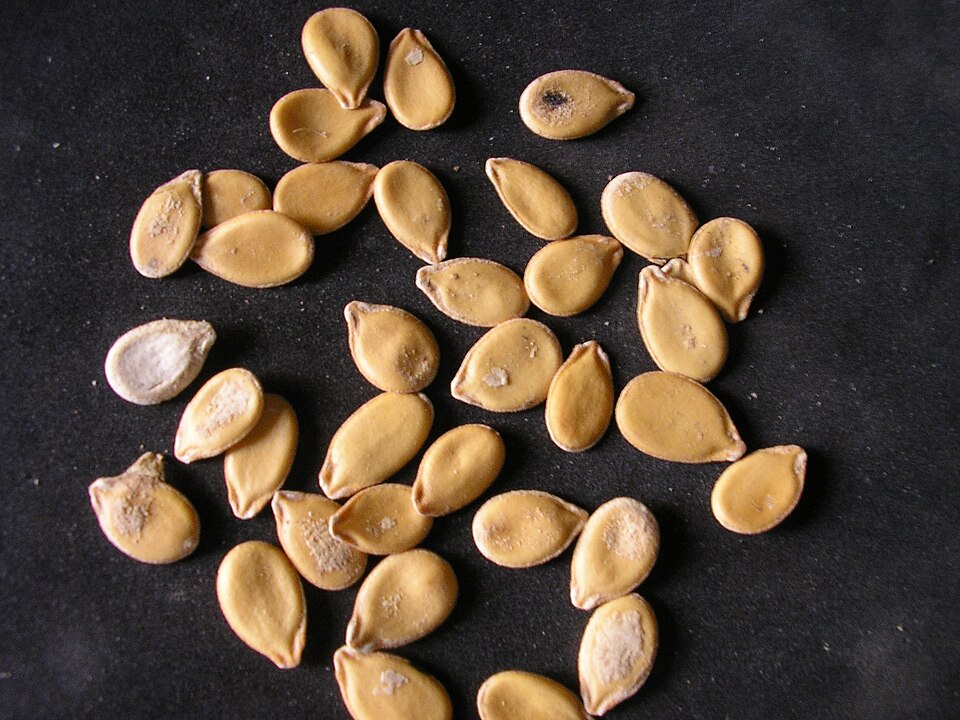
Egusi melon seeds are large and white in appearance; sometimes they look brownish or off-white in color but the main egusi color is primarily white.
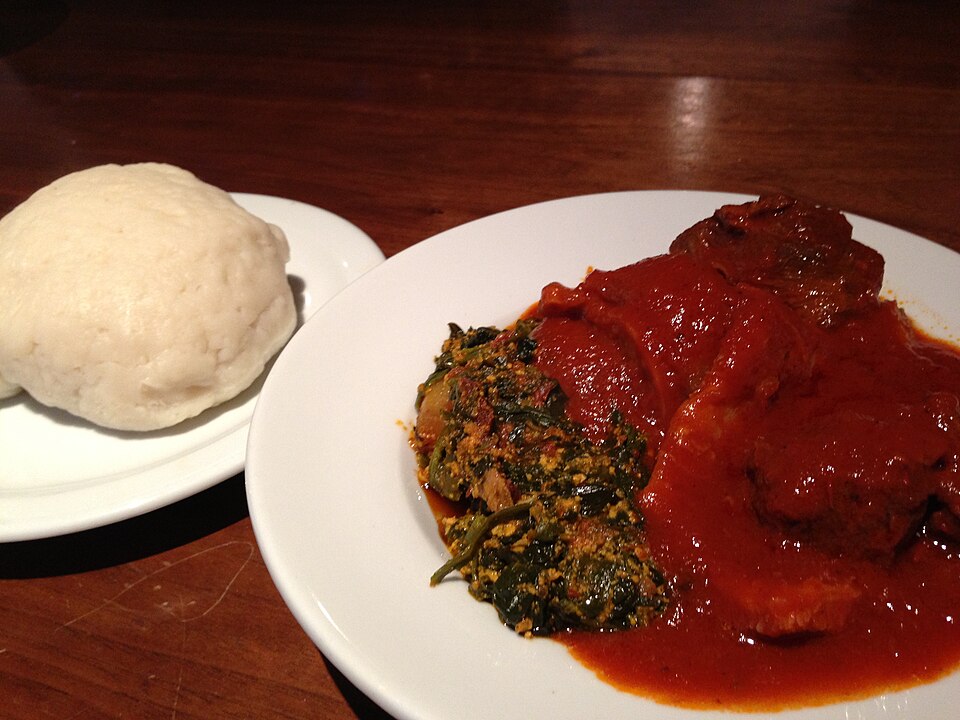
Scholars disagree whether the word is used more properly for the seeds of the colocynth, those of a particular large-seeded variety of the watermelon, or generically for those of any cucurbitaceous plant. Egusi seeds are in a class of their own and should never be mistaken for pumpkin or watermelon seeds. In particular the name "egusi" may refer to either or both plants (or more generically to other cucurbits) in their capacity as seed crops, or to a soup made from these seeds and popular in West Africa.
The characteristics and uses of all these seeds are broadly similar. Major egusi-growing nations include Nigeria, Burkina Faso, Togo, Ghana, Côte d'Ivoire, Benin, Mali, and Cameroon.
Species from which egusi is derived include Melothria sphaerocarpa (syn. Cucumeropsis mannii) and Citrullus lanatus.
Further reading
- Lost Crops of Africa · National Research Council (US) (1995)Surveys neglected indigenous African food crops, a useful background for the melon seeds behind egusi.Find a copy: AbeBooks · Amazon · WorldCat
- Isi Cookbook · Badiru, Iswat, Badiru, Deji (2013)A cookbook by Iswat and Deji Badiru; the catalog gives no further description.Find a copy: AbeBooks · Amazon · WorldCat
Egusi Soup is one of the 3D puzzles in World Artifacts: turn a cloud of broken pieces until it lines up. For iPhone, iPad, Apple Vision Pro and Android.

