World Artifacts › Atlas › Netherlands
Carnival Prince (Limburg)
The provinces south of the great rivers are Catholic and keep carnival properly: a prince is elected, the mayor hands him the keys of the city, and for three days he is nominally in charge. The costume, sash and feathered cap are fixed by tradition.
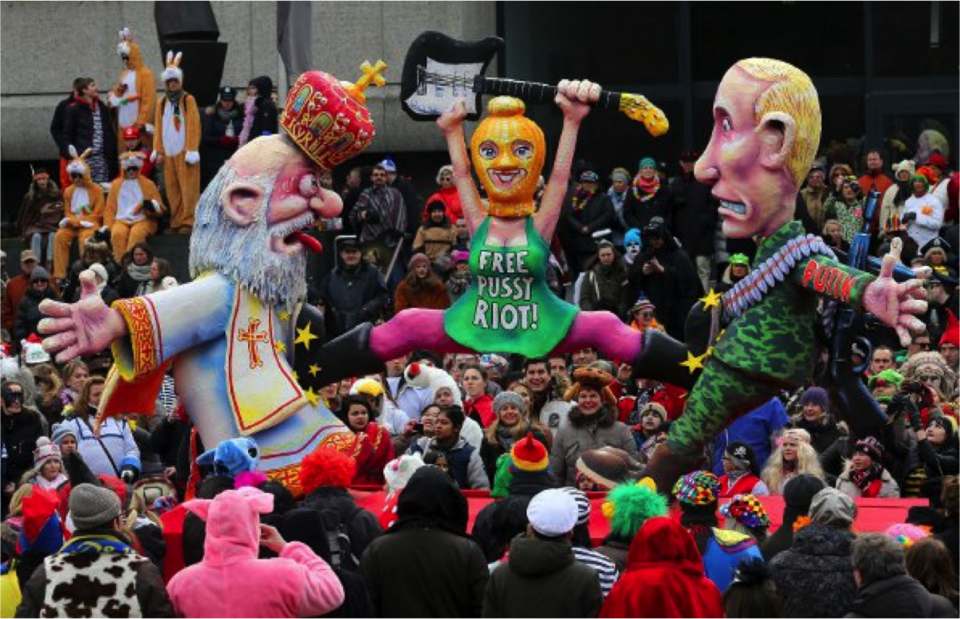
Carnival in the Netherlands (Dutch: Carnaval; also called "vastenavond" - eve of the fasting or Limburgish: "vastelaovend") is a festival held mainly in the Southern and Eastern regions of the Netherlands with an emphasis on role-reversal and the suspension of social norms, as part of celebrations of Carnival. The feast was assimilated by the Catholic Church, taking elements from ancient pagan spring festivals and is celebrated in the three days preceding the Christian holidays of Ash Wednesday and Lent.
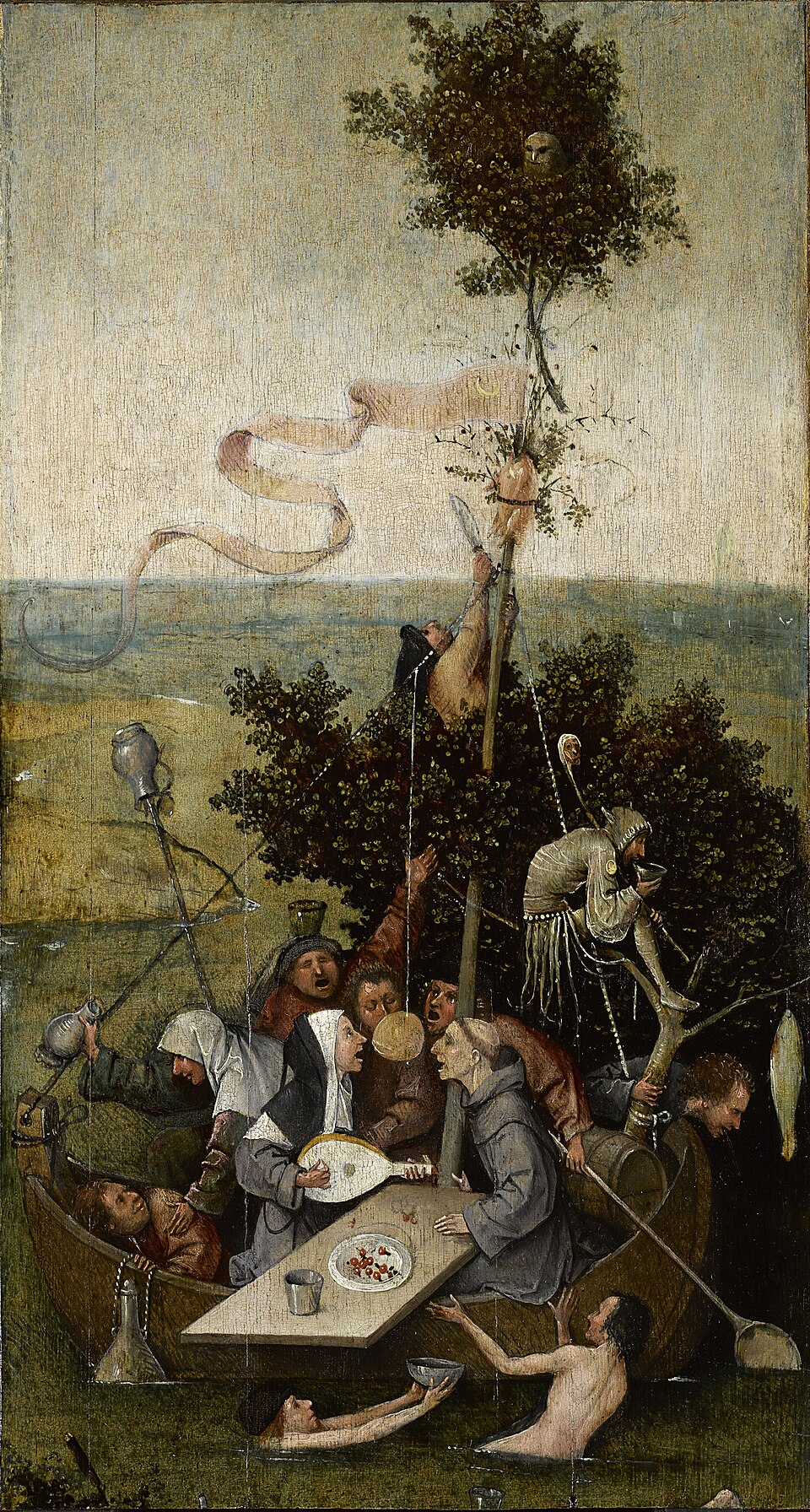
From an anthropological point of view, Carnival is a reversal ritual, in which social roles are reversed and norms about desired behavior are suspended. Winter was thought of as the reign of the winter spirits that were to be driven out for summer to return. Carnival can thus be regarded as a rite of passage from darkness to light, from winter to summer: a fertility celebration, the first spring festival of the new year.
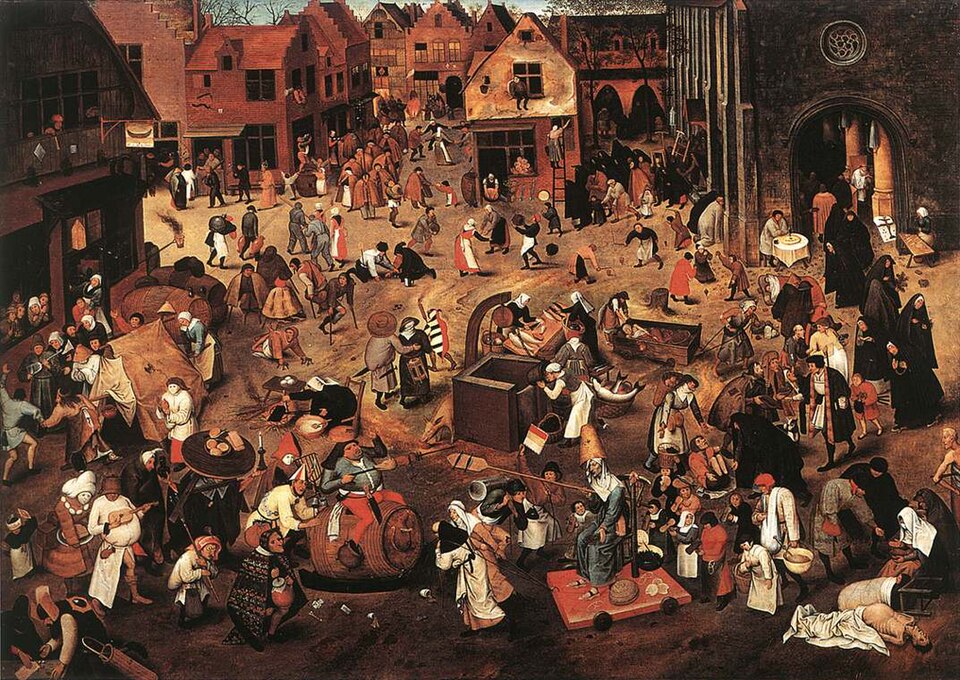
It precedes the Christian penitential season of Lent. The first day of Carnaval is six weeks before Easter Sunday. Carnival officially begins on Sunday and lasts three days until the start of Lent's first day, Ash Wednesday, at midnight. Nowadays the celebrations often start on Thursday evening though, which makes it in practice a six-day celebration. Many people in modern times do not relate the holiday at all with religion, but its date is still set before the start of the Christian season of Lent.
Carnival Prince (Limburg) is one of the 3D puzzles in World Artifacts: turn a cloud of broken pieces until it lines up. For iPhone, iPad, Apple Vision Pro and Android.

