World Artifacts › Atlas › Netherlands
Sinterklaas
Sinterklaas arrives by steamboat from Spain in mid-November and gives presents on the fifth of December, so Dutch children have already had their gift day before Christmas. Dutch settlers took the figure to New Amsterdam, where the name eventually became Santa Claus.
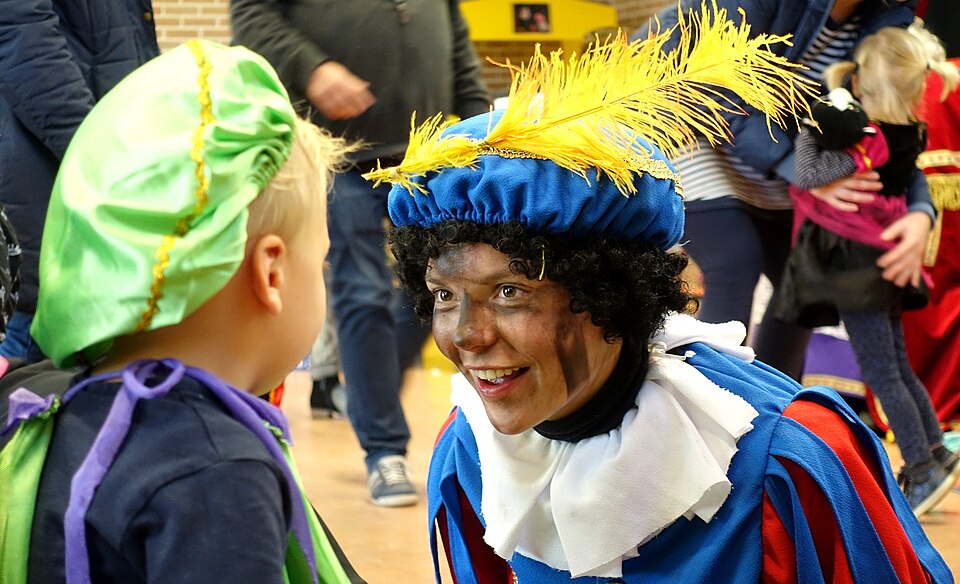
Sinterklaas (Dutch: [ˌsɪntərˈklaːs] ) or Sint-Nicolaas (Dutch: [sɪnt ˈnikoːlaːs] ) is a legendary figure based on Saint Nicholas, patron saint of children. Other Dutch names for the figure include De Sint ("The Saint"), De Goede Sint ("The Good Saint") and De Goedheiligman ("The Good Holy Man").
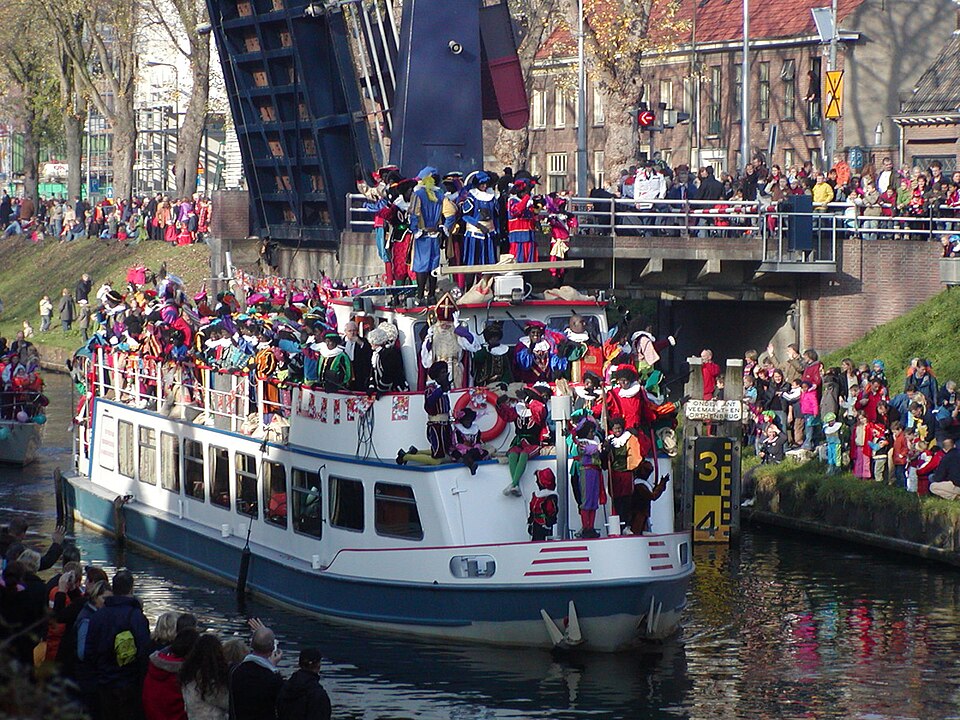
Many descendants and cognates of "Sinterklaas" or "Saint Nicholas" in other languages are also used in the Low Countries, nearby regions, and former Dutch colonies.
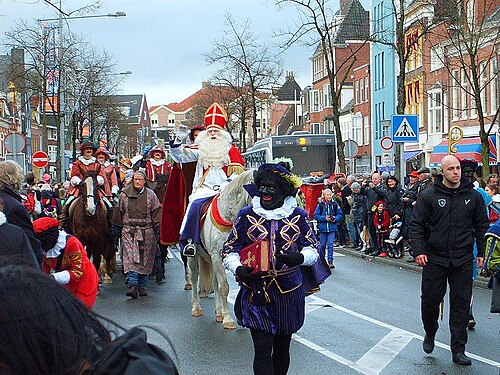
The feast of Sinterklaas celebrates the name day of Saint Nicholas on 6 December. The Sinterklaas feast is celebrated annually with the giving of gifts on St. Nicholas' Eve (5 December) in the Netherlands and on the morning of Saint Nicholas Day (6 December) in Belgium, Luxembourg, western Germany, and northern France (French Flanders, Lorraine, Alsace and Artois). The tradition is also celebrated in some territories of the former Dutch Empire, including Aruba.
Sinterklaas is one of the sources of the popular Christmas icon of Santa Claus.
Further reading
- Saint Nicholas of Myra, Bari, and Manhattan · Charles W. Jones (1988)A biography of Saint Nicholas of Myra tracing the figure through Bari and Manhattan.Find a copy: AbeBooks · Amazon · WorldCat
- Van Nicolaas van Myra tot Sinterklaas · R. Ghesquiere (1989)A Dutch-language study tracing the path from Nicolaas van Myra to Sinterklaas.Find a copy: AbeBooks · Amazon · WorldCat
Sinterklaas is one of the 3D puzzles in World Artifacts: turn a cloud of broken pieces until it lines up. For iPhone, iPad, Apple Vision Pro and Android.

