World Artifacts › Atlas › Norway
Norway Spruce
Oslo has sent a spruce to London every year since 1947 as thanks for British support during the war, and it stands in Trafalgar Square. The tree is chosen years in advance and felled with a small ceremony.
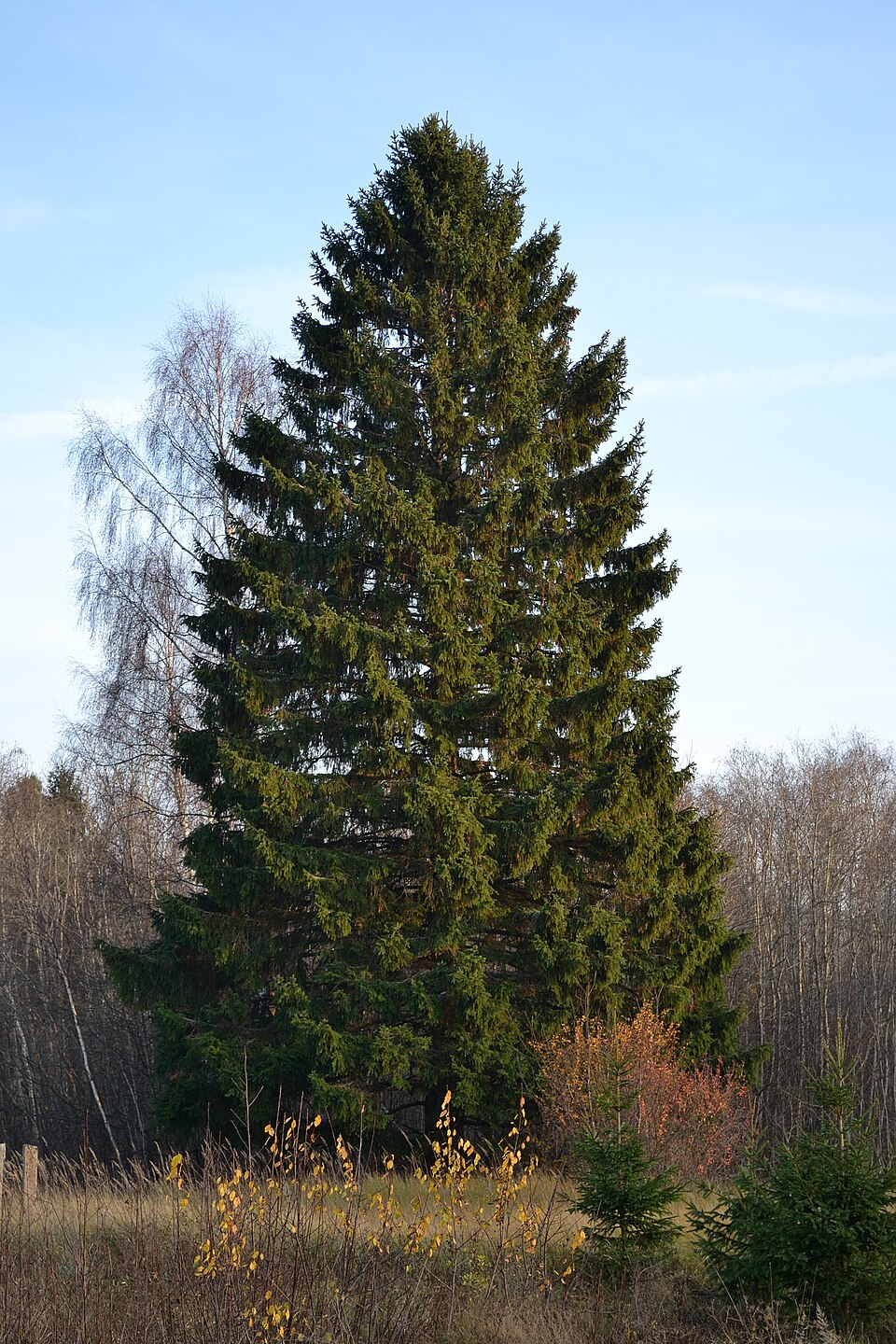
Picea abies, the Norway spruce, is a species of spruce native to Northern, Central and Eastern Europe. It has branchlets that typically hang downwards, and the longest cones of any spruce, 9-20 cm long. It is usually considered most closely related to the Siberian spruce (Picea obovata), which replaces it east of the Ural Mountains, and with which it hybridises freely, but its phylogeny has been disputed.
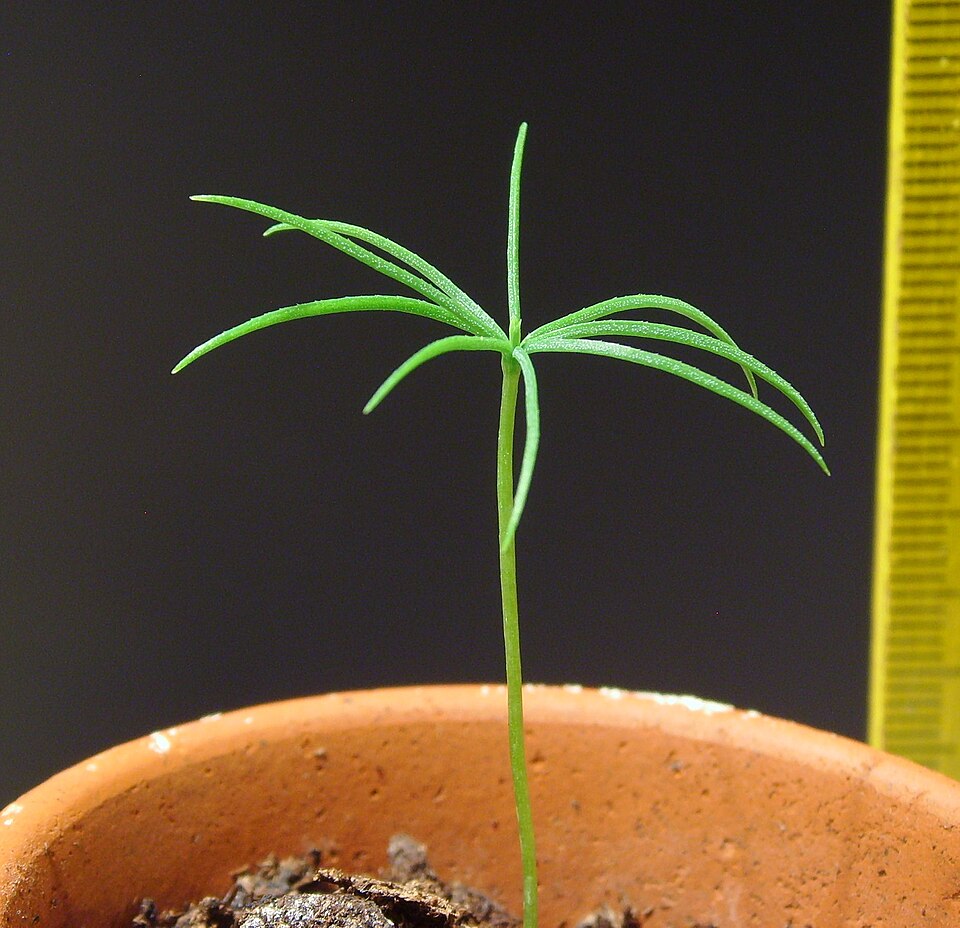
The species is one of the most widely planted spruces, both in and outside of its native range, and is one of the most economically important conifers in Europe. Major forestry pests that affect the species include the European spruce bark beetle, the large pine weevil, and the black arches moth. Fungal diseases that can kill the tree include Armillaria root rot and red rot caused by Heterobasidion annosum. The species has a wide distribution, is widely planted for its wood, and is used as a Christmas tree in several countries around the world. It was the first gymnosperm to have its genome sequenced.

Norway Spruce is one of the 3D puzzles in World Artifacts: turn a cloud of broken pieces until it lines up. For iPhone, iPad, Apple Vision Pro and Android.

