World Artifacts › Atlas › Nepal
Kumari
The living goddess in red with painted eyes.
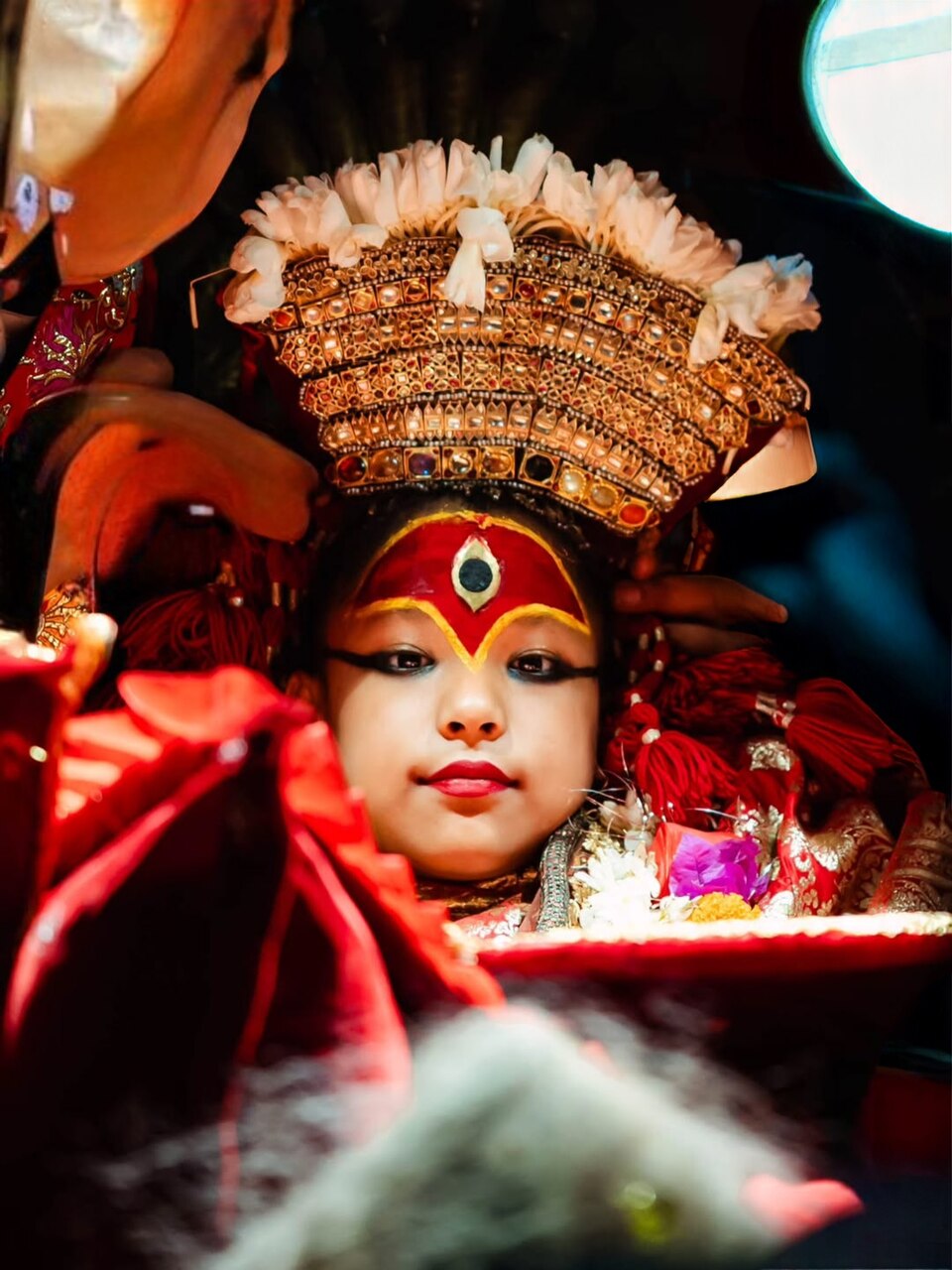
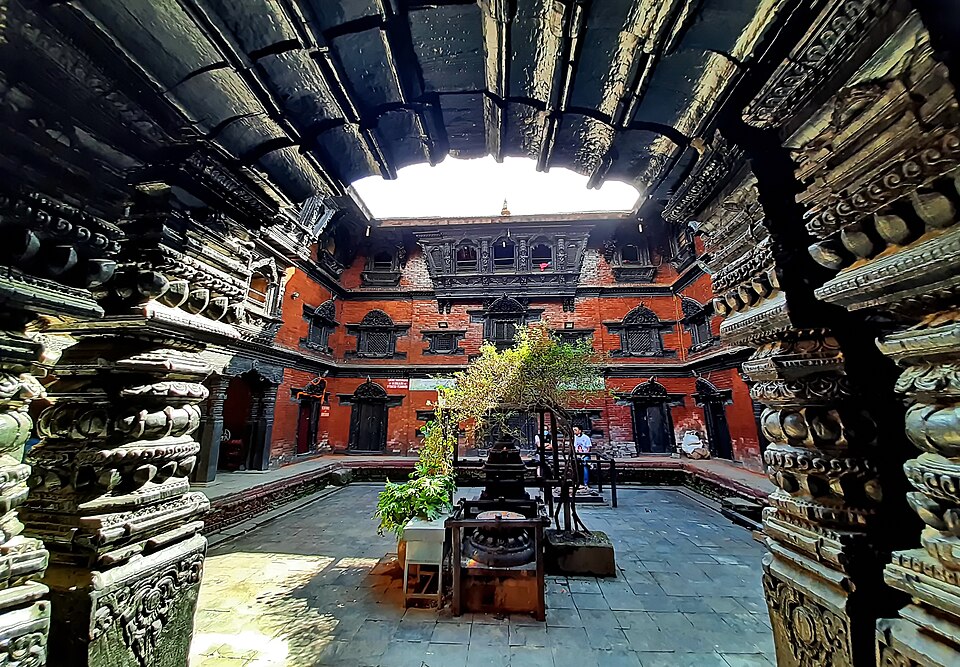
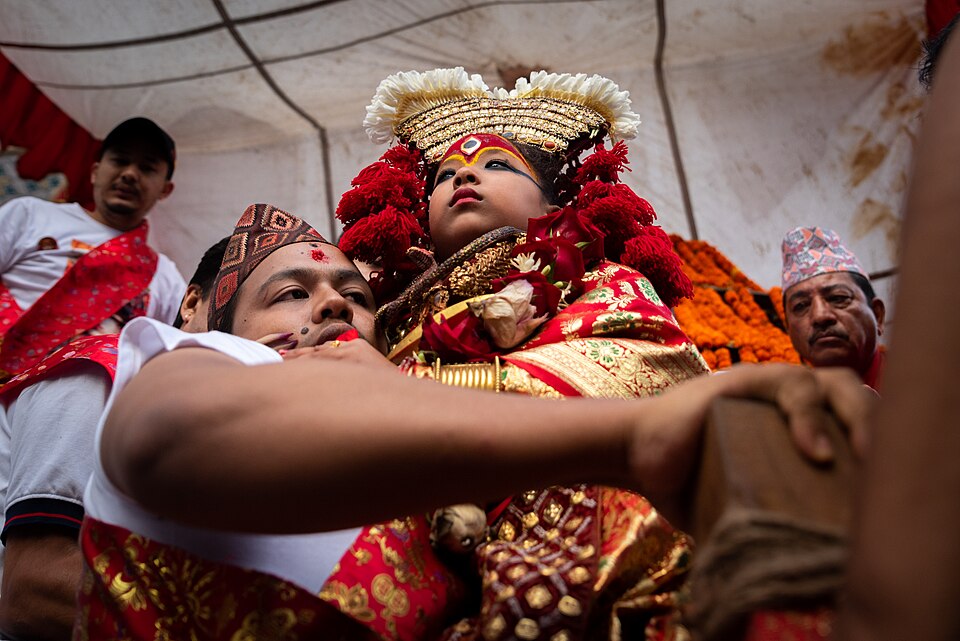
The Kumari (Nepali: कुमारी, "young girl" or "unmarried"), also known as the Living Goddess, is a centuries‑old tradition in Nepal in which a prepubescent girl from the Newar community is venerated as a living embodiment of the goddess Taleju Bhawani (a form of Durga). The practice is central to the religious life of the Kathmandu Valley and draws devotees from both Hindu and Buddhist traditions. While several Kumaris exist across the valley, the most prominent is the Royal Kumari of Kathmandu, who resides in the Kumari Ghar at Durbar Square. Other important Kumaris are found in Patan, Bhaktapur, Bungamati, and other local communities.
Further reading
- The Cult of Kumari · Michael Allen (1982)A study of the Kumari cult, covering religious life, virginity, and Hindu goddesses.Find a copy: AbeBooks · Amazon · WorldCat
- From goddess to mortal · Rashmila Shakya (2005)Covers the religious life and customs of the Kumari, with a focus on virginity.Find a copy: AbeBooks · Amazon · WorldCat
Kumari is one of the 3D puzzles in World Artifacts: turn a cloud of broken pieces until it lines up. For iPhone, iPad, Apple Vision Pro and Android.

