World Artifacts › Atlas › New Zealand
Kete Basket
Kete are woven from harakeke, the New Zealand flax, split and softened by hand. That plant was the country's first big export: its fibre made rope and sailcloth, and for a while it was worth more than anything else the islands sold.
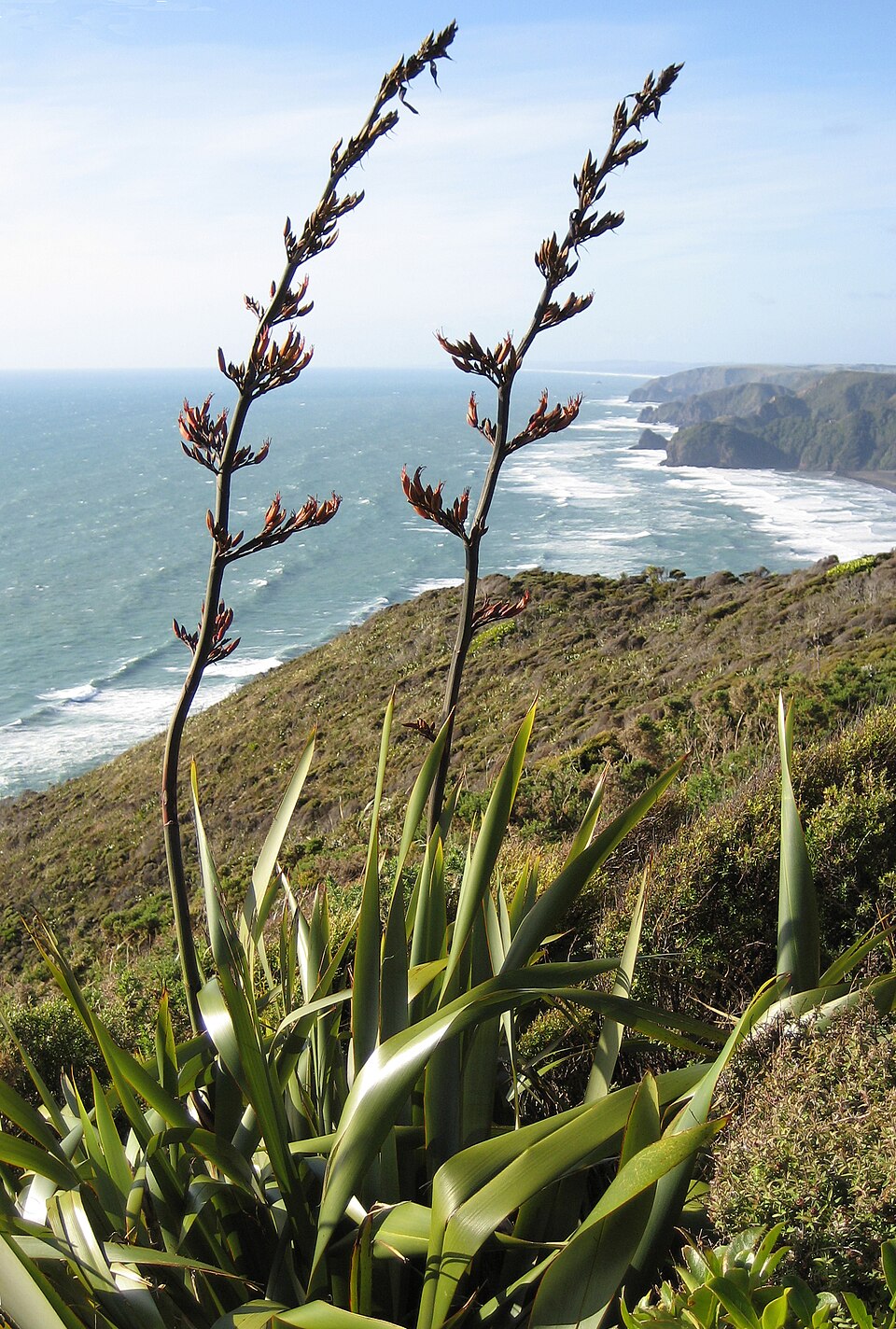
Phormium tenax (called flax in New Zealand English; harakeke in Māori; New Zealand flax outside New Zealand; and New Zealand hemp in historical nautical contexts) is an evergreen perennial plant native to New Zealand and Norfolk Island that is an important fibre plant and a popular ornamental plant. The plant grows as a clump of long, straplike leaves, up to two metres long, from which arises a much taller flowering shoot, with dramatic yellow or red flowers.
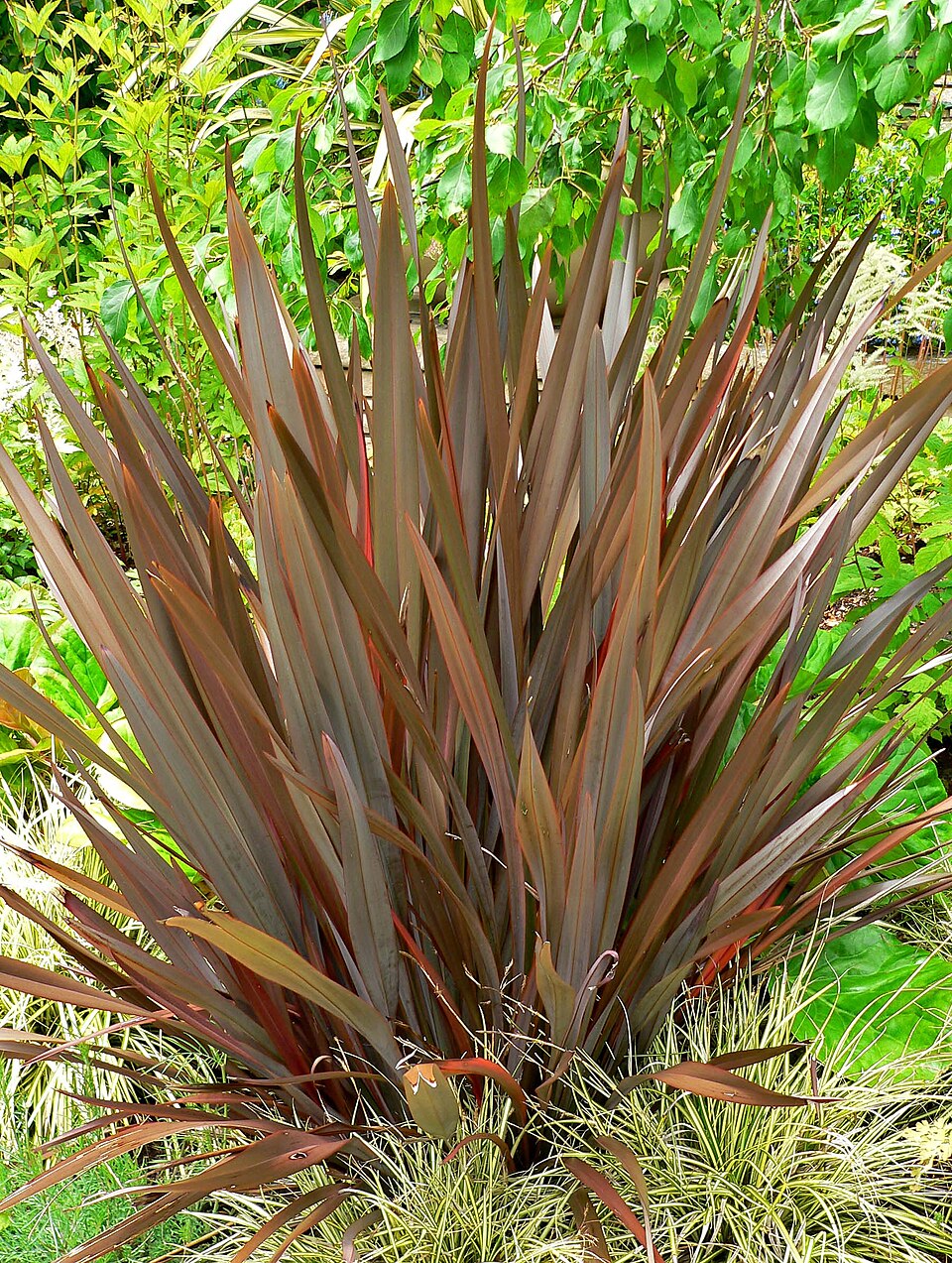
Despite being commonly known as 'flax', harakeke is of the genus Phormium, a monocot, and is a leaf fibre, whereas flax (linen) is of the genus Linum, a rosid, and is a bast fibre (which comes from the stem of the plant). The two plants have an extremely distant evolutionary relationship with each other.
The fibre has been widely used since the arrival of Māori to New Zealand, originally in Māori traditional textiles and also in rope and sail making after the arrival of Europeans until at least WWII. It is an invasive species in some of the Pacific Islands and in Australia.
The blades of the plant contain cucurbitacins, which are poisonous to some animals, and some of them are among the bitterest tastes to humans.
Further reading
- Raranga whakairo · Mick Pendergrast (1984)Covers Maori plaiting and basketry, including bast work, matting and basket making.Find a copy: AbeBooks · Amazon · WorldCat
- Feathers & fibre · Mick Pendergrast (1984)Covers Maori decorative arts, including fiberwork and basketwork.Find a copy: AbeBooks · Amazon · WorldCat
Kete Basket is one of the 3D puzzles in World Artifacts: turn a cloud of broken pieces until it lines up. For iPhone, iPad, Apple Vision Pro and Android.

