World Artifacts › Atlas › New Zealand
Moko Face
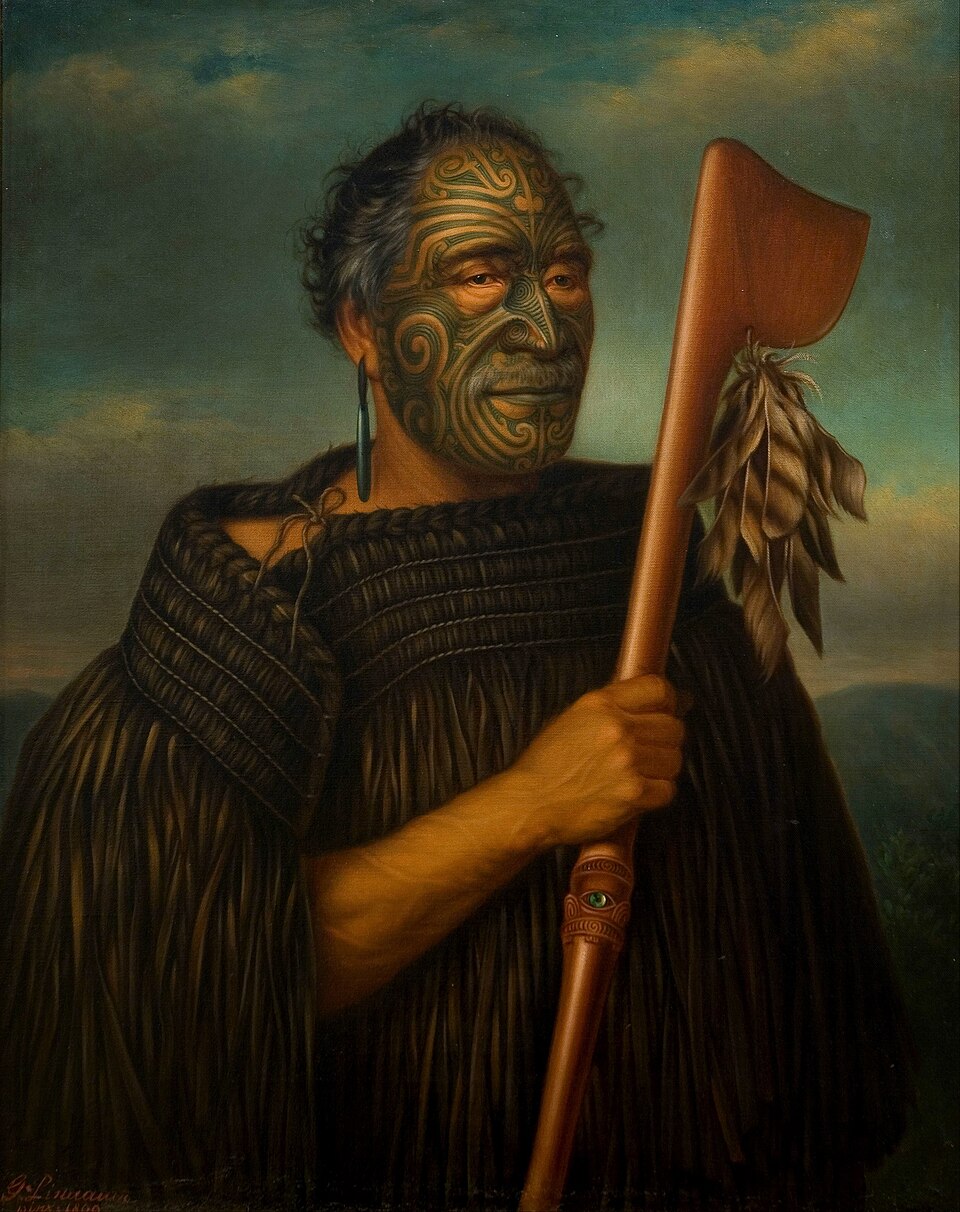
Tā moko was cut into the skin with a chisel rather than punctured with a needle, so the surface was grooved as well as coloured. Each one is unique and readable: it records descent, rank and history, which is why some chiefs signed documents by drawing their moko.
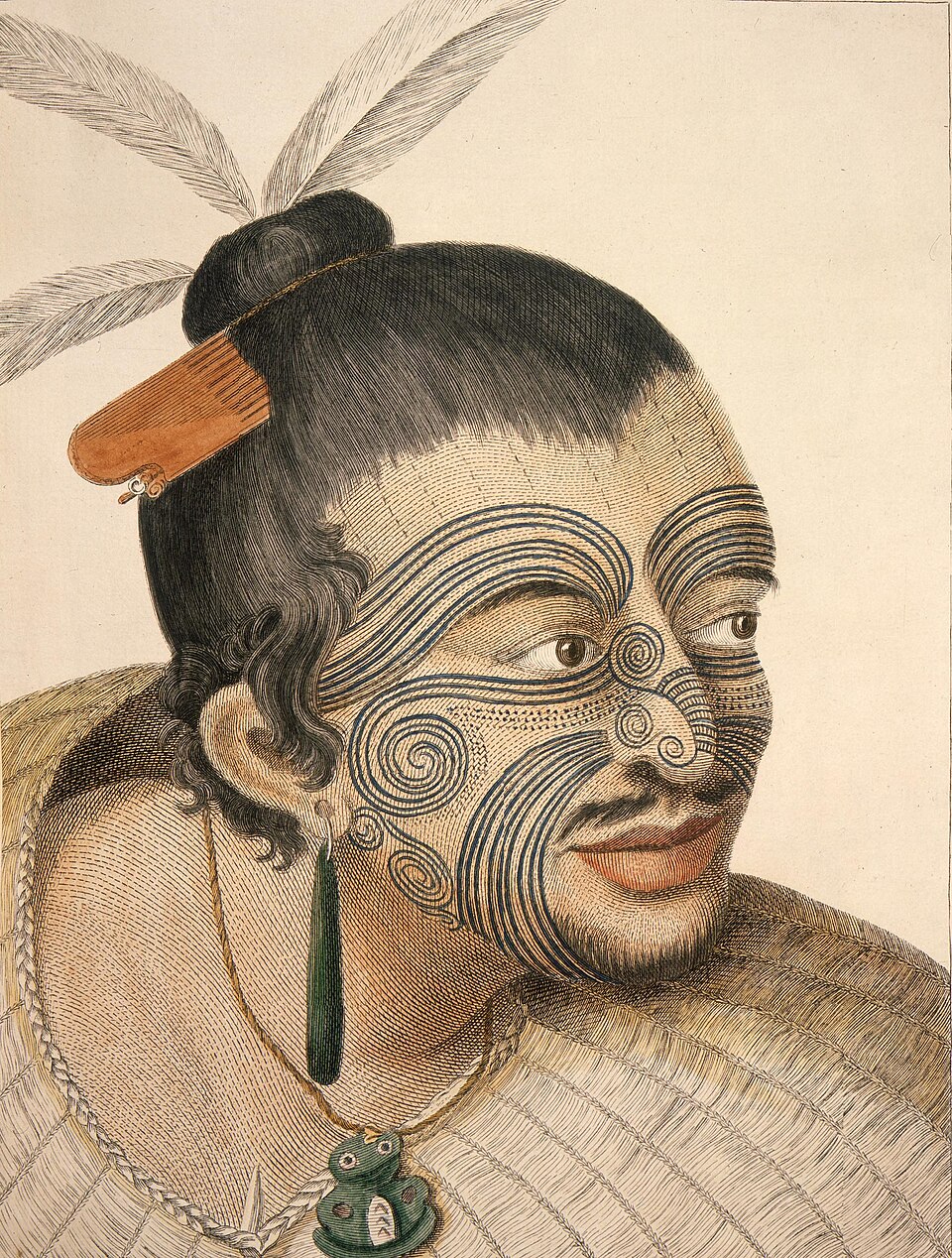
Tā moko is the permanent marking or tattooing as customarily practised by Māori, the indigenous people of New Zealand. It is one of the five main Polynesian tattoo styles (the other four are Marquesan, Samoan, Tahitian and Hawaiian).
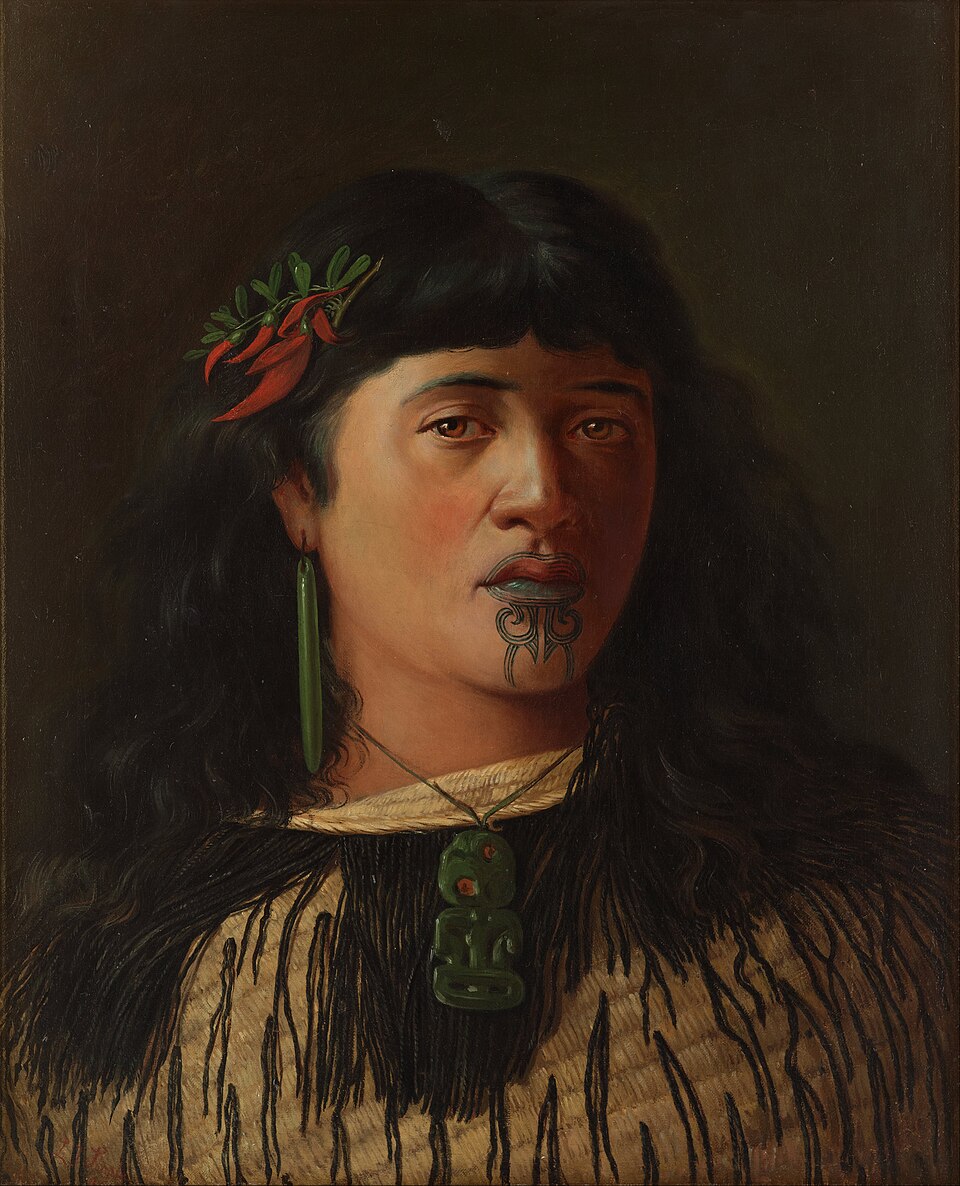
Tohunga-tā-moko (tattooists) were considered tapu, or inviolable and sacred.
Further reading
- Moko · King, Michael (1992)A book on moko, the Māori art of tattooing, covering body art, indigenous art and Māori social life and customs.Find a copy: AbeBooks · Amazon · WorldCat
- Mau moko · Ngahuia Te Awekotuku (2007)A study of tā moko covering Māori tattoo history, customs and tikanga, with biography.Find a copy: AbeBooks · Amazon · WorldCat
Moko Face is one of the 3D puzzles in World Artifacts: turn a cloud of broken pieces until it lines up. For iPhone, iPad, Apple Vision Pro and Android.

