World Artifacts › Atlas › Oman
Wadi Shab
The turquoise pool in the canyon.
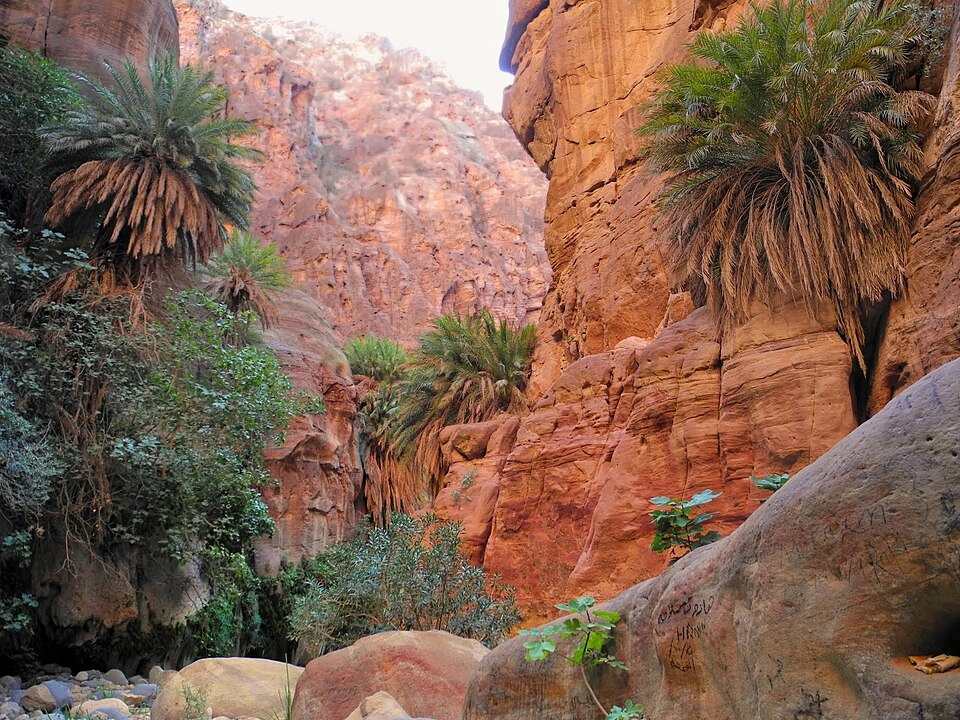
A wadi ( WOD-ee; Arabic: وَادِي) is a river valley or a wet (ephemeral) riverbed that typically contains water only when heavy rain occurs, though wadis with year-round water flow do exist, such as Wadi Bani Khalid and Wadi Mawr. Wadis are located on gently sloping, nearly flat parts of deserts; commonly they begin on the lowest portions of alluvial fans and extend to inland sabkhas or dry lakes. Permanent channels rarely exist, due to lack of continual water flow. Water percolates down into the stream bed, causing an abrupt loss of energy and resulting in vast deposition. Wadis may develop dams of sediment that change the stream patterns in the next flash flood.
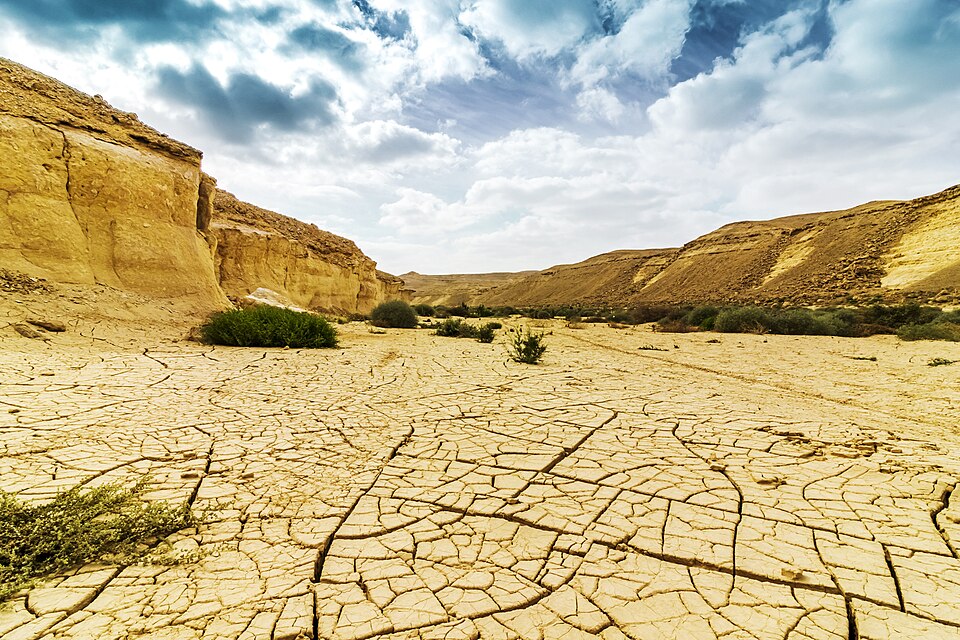
Wadis tend to be associated with centers of human population because sub-surface water is sometimes available in them. Nomadic and pastoral desert peoples will rely on seasonal vegetation found in wadis, even in regions as dry as the Sahara, as they travel in complex transhumance routes.
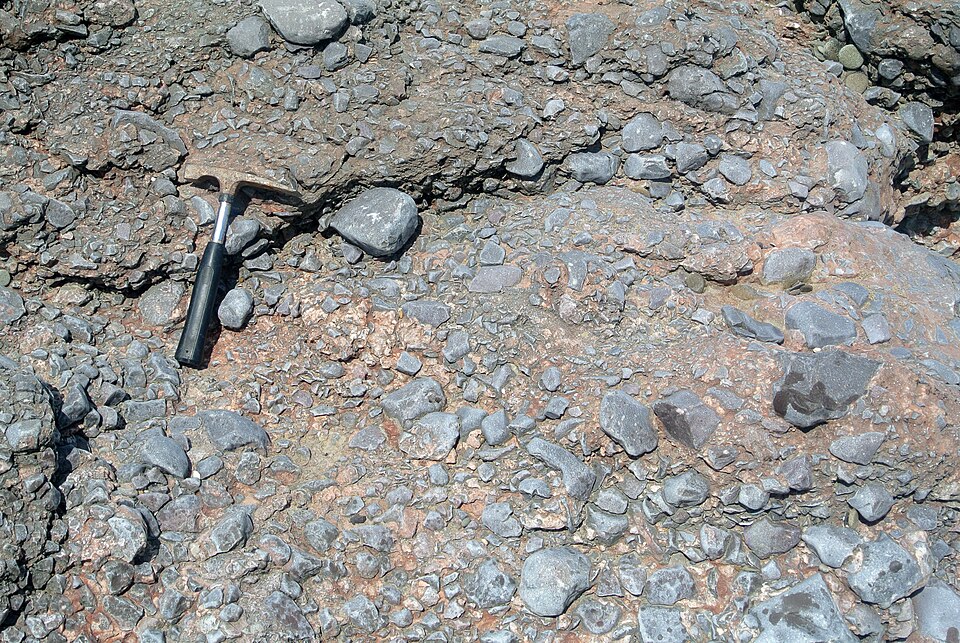
The centrality of wadis to water - and human life - in desert environments gave birth to the distinct sub-field of wadi hydrology in the 1990s.
Wadi Shab is one of the 3D puzzles in World Artifacts: turn a cloud of broken pieces until it lines up. For iPhone, iPad, Apple Vision Pro and Android.

