World Artifacts › Atlas › Panama
Canal Digger
The worker with a shovel.
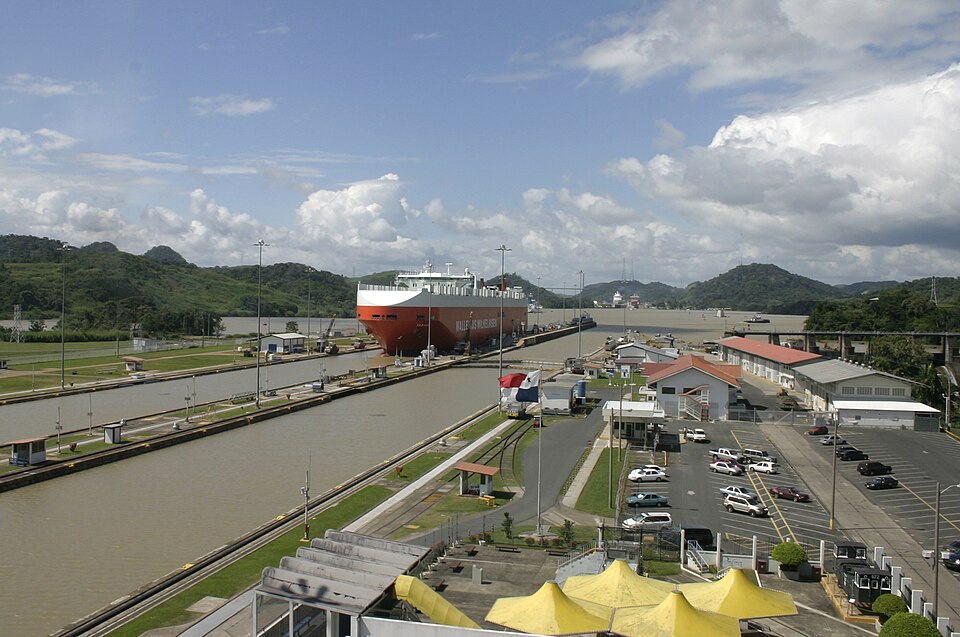
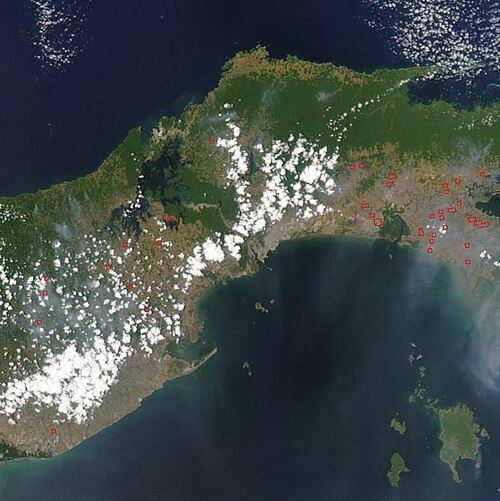
In 1513 the Spanish conquistador Vasco Núñez de Balboa first crossed the Isthmus of Panama. When the narrow nature of the Isthmus became generally known, European powers noticed the possibility to dig a water passage between the Atlantic and Pacific Oceans.
A number of proposals for a ship canal across Central America were made between the sixteenth and nineteenth centuries. The chief rival to Panama was a canal through Nicaragua.
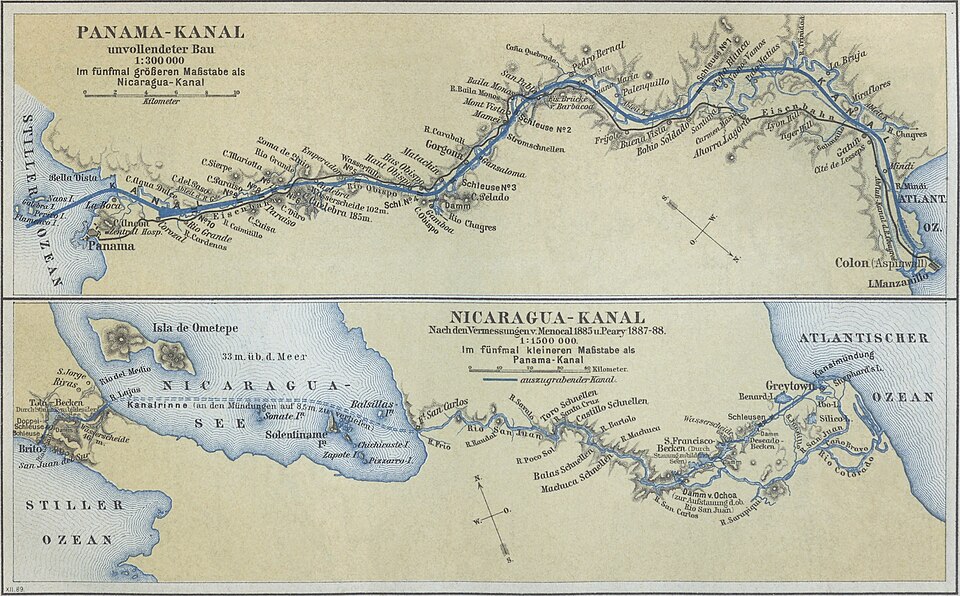
By the late nineteenth century, technological advances and commercial pressure allowed construction to begin in earnest. French entrepreneur Ferdinand de Lesseps led the initial attempt (1880-1889) to build a sea-level canal, as he had previously achieved in the building of the Suez Canal (1859-1869). A concession to build the canal was obtained from the Colombian government, at that time the possessor of the Panama Isthmus. The canal was only partly completed, as a result of the severe underestimation of the difficulties in excavating the rugged terrain, heavy personnel losses to tropical diseases, and increasing difficulties in raising finances. The collapse of the French canal company (1889) was followed by a political scandal surrounding alleged corruption in the French government. In 1894, a second French company (the Compagnie Nouvelle du Canal de Panama) was formed to take over the assets of the original French company, with the intention of finding a prospective buyer.
Further reading
Canal Digger is one of the 3D puzzles in World Artifacts: turn a cloud of broken pieces until it lines up. For iPhone, iPad, Apple Vision Pro and Android.

