World Artifacts › Atlas › Peru
Alpaca
The fluffy alpaca.
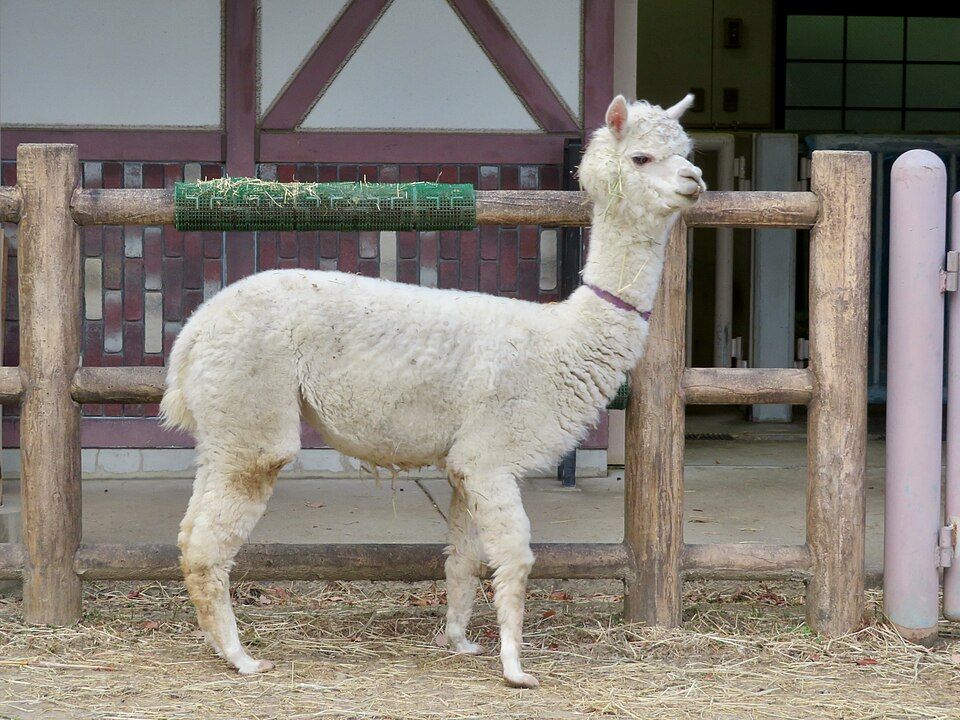
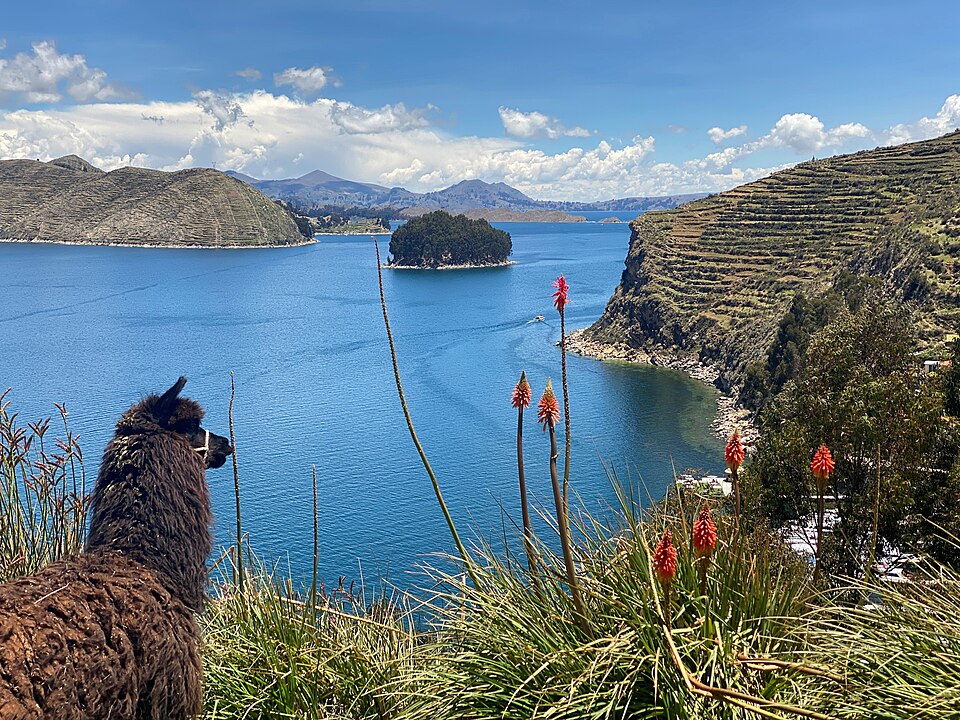
The alpaca (Lama pacos) is a domesticated species of South American camelid. Traditionally, alpacas were kept in herds that grazed on the level heights of the Andes of Southern Peru, Western Bolivia, Ecuador, and Northern Chile. More recently, alpacas may be found on farms and ranches worldwide, with thousands of animals born and raised annually. Alpacas are especially popular in North America, Europe, and Australia.
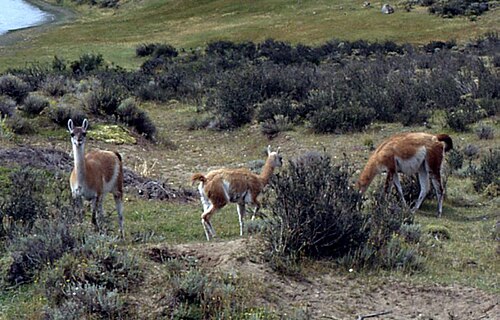
There are two modern breeds of alpaca, separated based on their respective region of endemism and fiber (wool) type: the Suri alpaca and the Huacaya alpaca. Both breeds produce a highly valued fiber, with Suri alpaca's fiber growing in straight "locks," while Huacaya fiber has a "crimped," wavy texture and grows in bundles. These breeds' fibers are used for making knitted and woven items, similar to sheep's wool.
Further reading
- The Complete Alpaca Book · Hoffman, Eric (2006)A book devoted entirely to alpacas.Find a copy: AbeBooks · Amazon · WorldCat
- Medicine and Surgery of Camelids · Murray Fowler (2010)A veterinary reference on the medicine and surgery of camelids, the animal family alpacas belong to.Find a copy: AbeBooks · Amazon · WorldCat
Alpaca is one of the 3D puzzles in World Artifacts: turn a cloud of broken pieces until it lines up. For iPhone, iPad, Apple Vision Pro and Android.

