World Artifacts › Atlas › Peru
Guinea Pig
The roasted cuy on a plate.
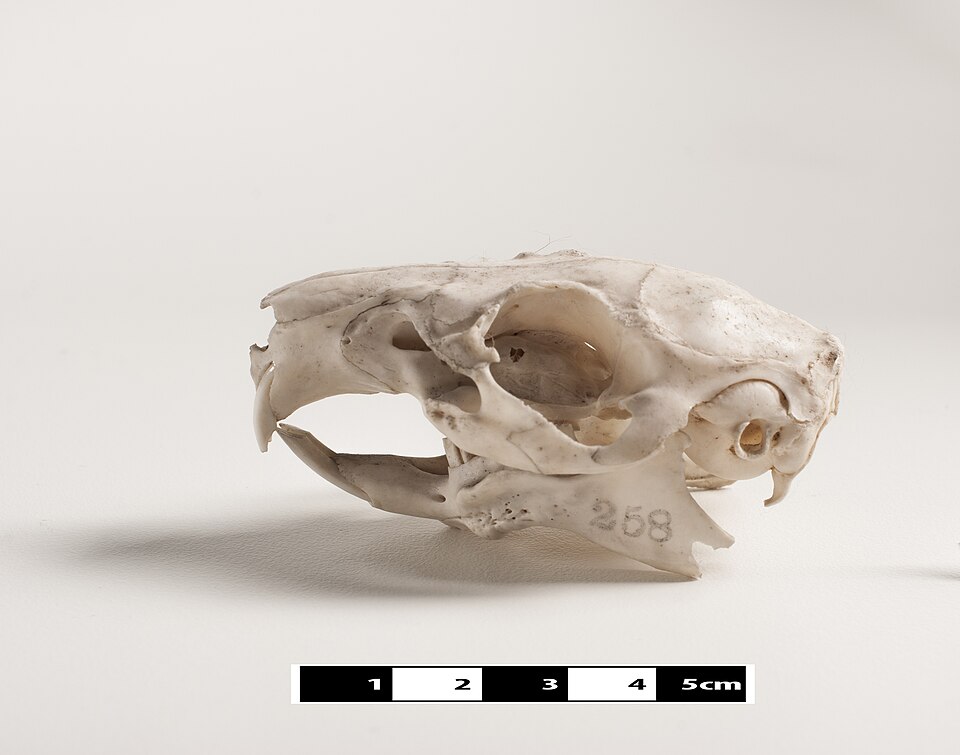
The guinea pig (Cavia porcellus), also known as the domestic guinea pig, cavy or domestic cavy ( KAY-vee), is a species of rodent. It belongs to the genus Cavia, family Caviidae, and its closest wild relatives include the montane guinea pig. Domestic guinea pigs typically weigh between 700 and 1,200 g (1.5 and 2.6 lb) and measure between 20 and 25 cm (8 and 10 in) in length; most breeds have fur, and they have long front teeth that grow continuously, leading the animals to chew regularly to wear them down. They are social animals, and are skittish in response to noise or danger, evincing a freeze or flight strategy.

Guinea pigs have been raised by humans as a meat source, as pets, as laboratory test subjects, and for ceremonial use. When guinea pigs are kept by humans, studies indicate the importance of social housing, environmental enrichment (like hides and structures), constant access to hay, and adequate space for healthy stress levels and well-being. Veterinary guidance recommends keeping males and females separate when breeding is not intended.
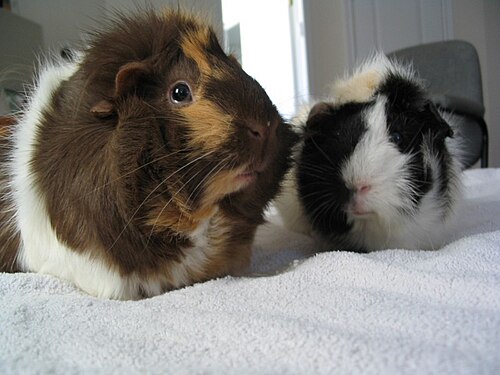
Originally, guinea pigs were domesticated as livestock for their meat, in the Andean region of South America, and they are still consumed there. In the Andes, guinea pigs are also used in folk medicine and in community religious ceremonies.
Further reading
Guinea Pig is one of the 3D puzzles in World Artifacts: turn a cloud of broken pieces until it lines up. For iPhone, iPad, Apple Vision Pro and Android.

