World Artifacts › Atlas › Philippines
Ati-Atihan Face
Revellers blacken their faces with soot to look like the Ati, the dark-skinned people who were here first, in a festival that celebrates a bargain struck with them eight centuries ago. What it means for everyone else to paint themselves as them is a question the country has started asking.
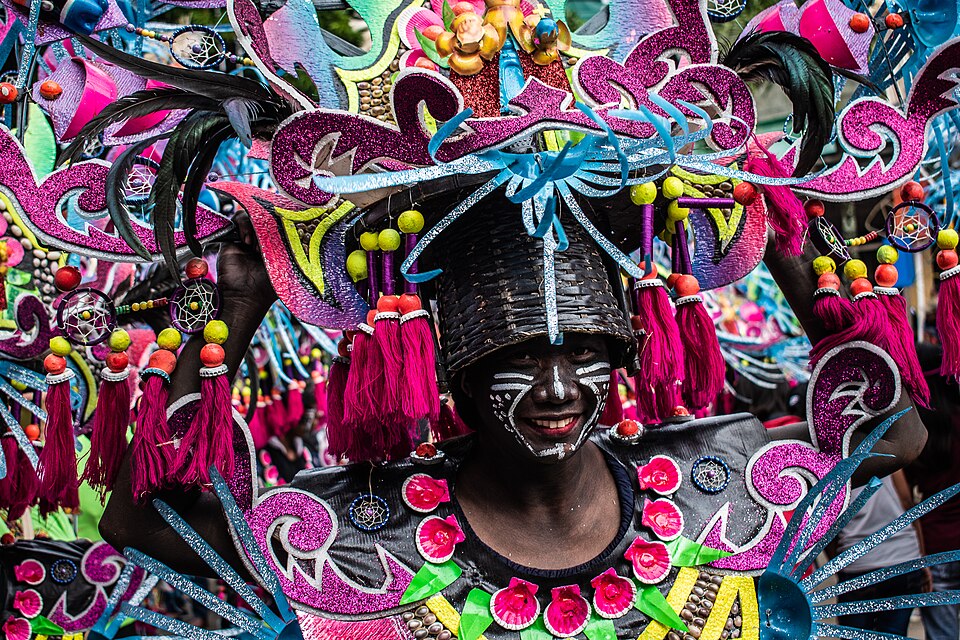
The Kalibo Santo Niño-Ati-Atihan Festival, also simply called Ati-Atihan Festival, is a Philippine festival held annually in January in honor of the Santo Niño (Holy Child or Infant Jesus) in several towns of the province of Aklan, Panay Island. The biggest celebration is held during the third Sunday of January in the town of Kalibo, the province's capital. The name Ati-Atihan means "to imitate the Ati people".
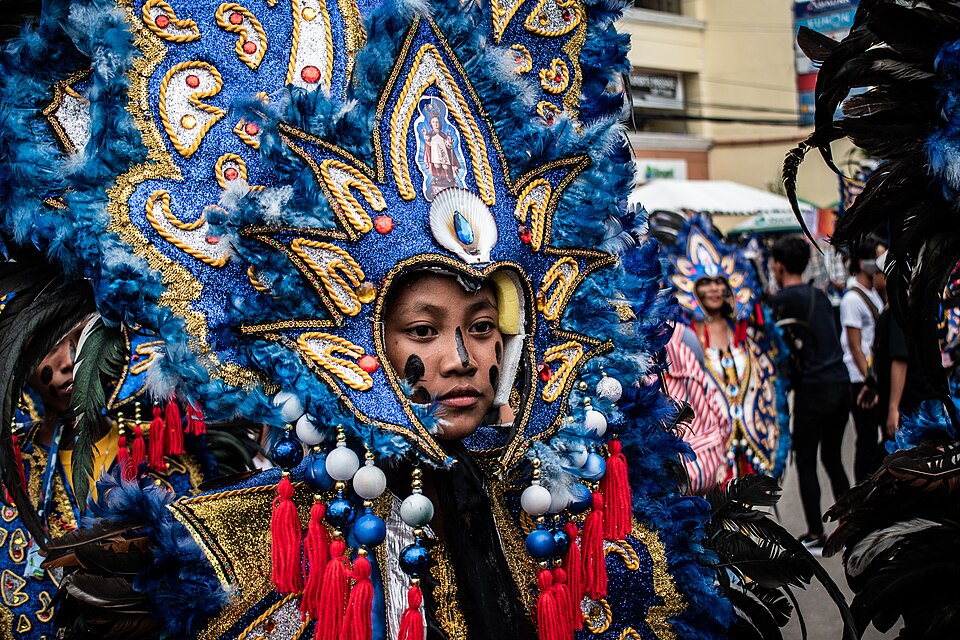
The festival consists of religious processions and street-parades, showcasing themed floats, dancing groups wearing colorful costumes, marching bands, and people sporting face and body paints. The street parade is known as Sadsad, which is also what the locals call their way of dancing where the foot is momentarily dragged along the ground in tune to the beat played by the marching bands.
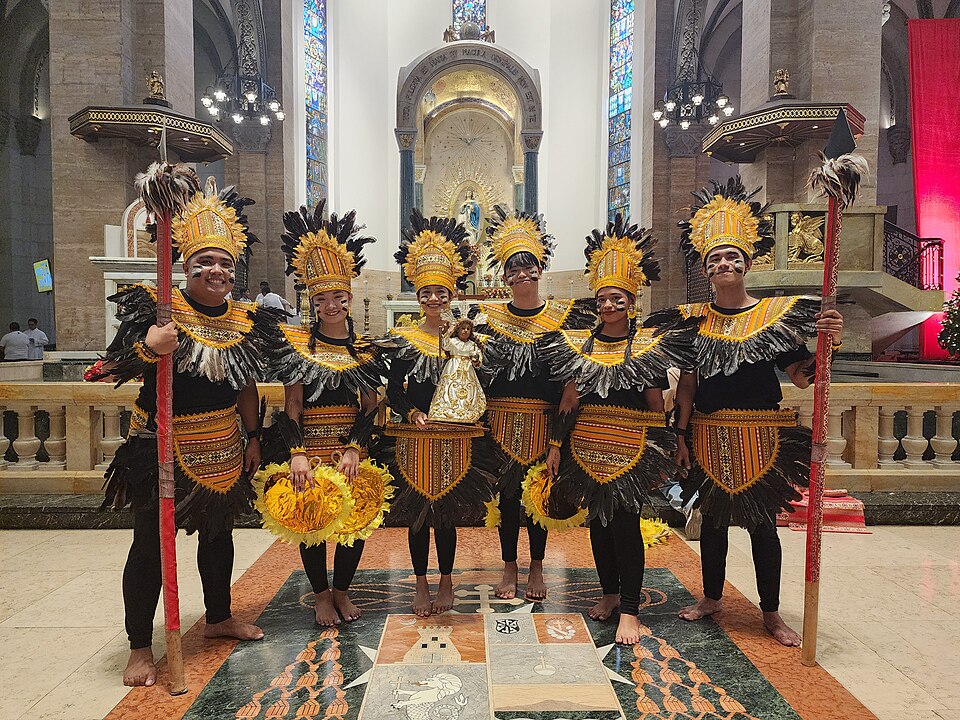
Being believed to be the oldest festival in the Philippines and having inspired other popular Philippine festivals such as Dinagyang of Iloilo and Sinulog of Cebu, it is regarded as the 'Mother of All Philippine Festivals.'
Further reading
Ati-Atihan Face is one of the 3D puzzles in World Artifacts: turn a cloud of broken pieces until it lines up. For iPhone, iPad, Apple Vision Pro and Android.

