World Artifacts › Atlas › Philippines

Bahay Kubo

The nipa hut is bamboo and palm thatch on stilts, and it is light enough that a group of neighbours can lift the whole house and carry it to a new site. The word for that, bayanihan, has come to mean community effort in general.
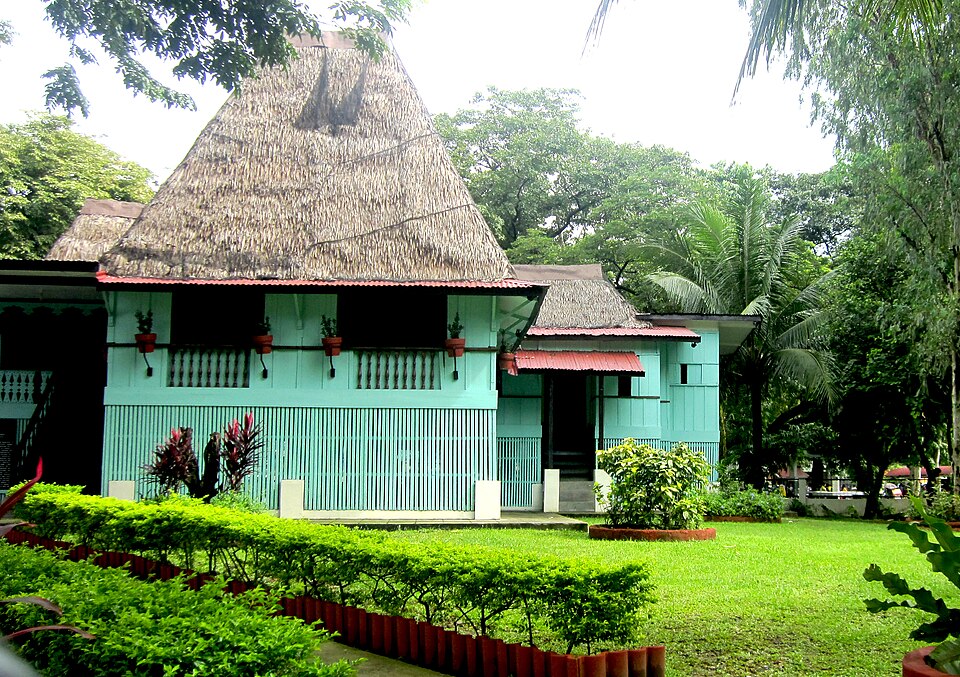
The Mabini shrine, a surviving historic example of a traditional bahay kubo
The Mabini shrine, a surviving historic example of a traditional bahay kuboJoven Christian B. Jacolbia · CC BY-SA 3.0 · Source

The báhay kúbo, kubo, or payág (in the Visayan languages), is a type of stilt house indigenous to the Philippines. It is the traditional basic design of houses among almost all the lowlanders of the entire Philippines, and also frequently seen in Philippine Provinces. Often serving as an icon of Philippine culture, its design heavily influenced the Spanish colonial-era bahay na bato's architecture.
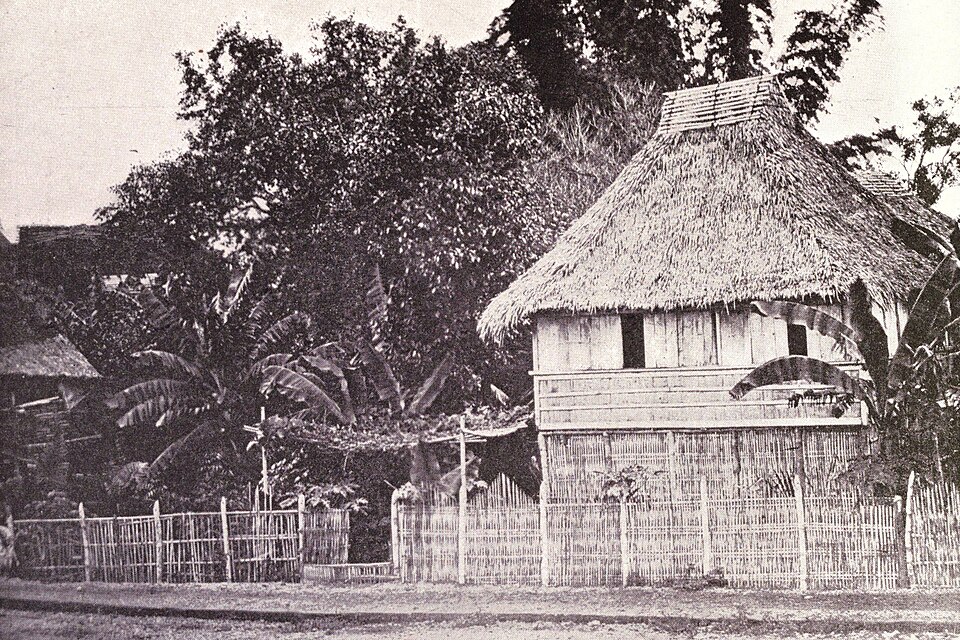
A typical bahay kubo in Manila (c. 1899), note the silong (space beneath the raised floors) enclosed by a loose bamboo fence
A typical bahay kubo in Manila (c. 1899), note the silong (space beneath the raised floors) enclosed by a loose bamboo fenceThe history and conquest of the Philippines and our other island possessions; embracing our war with the Filipinos in 1899 by Alden March, published in 1899. · Public domain · Source

The English term nipa hut is also usually used interchangeably with báhay kúbo, although not all báhay kúbo use nipa materials or are huts. Both "nipa hut" and báhay kúbo are also used incorrectly to refer to similar but different vernacular architecture in the Philippines.
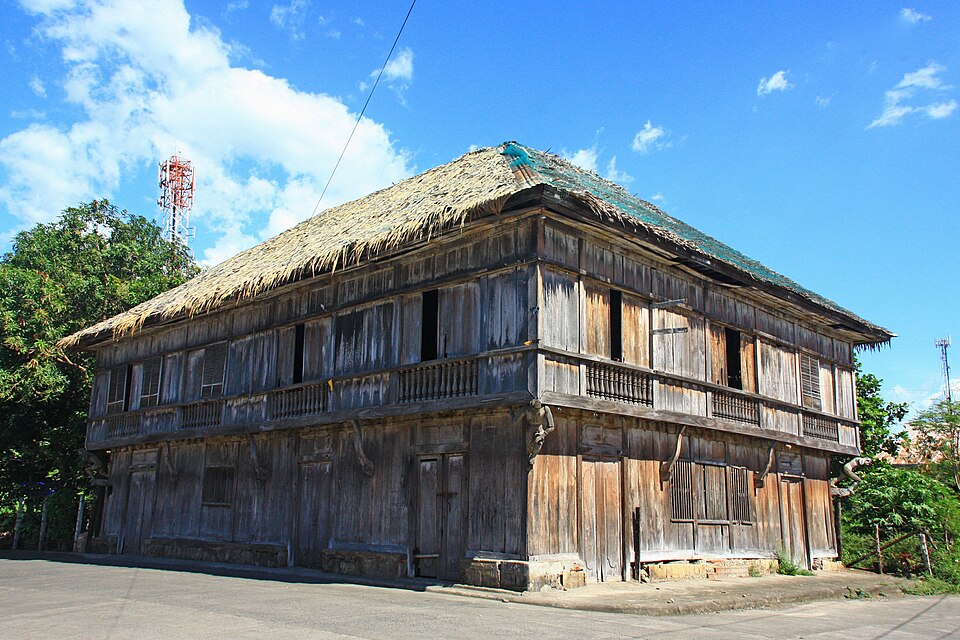
Vega Ancestral House, a Spanish colonial era mansion and a "1st Transition" bahay na bato  house with a silong enclosed by a wooden wall. Other than that, its general design remains roughly identical to the bahay kubo
Vega Ancestral House, a Spanish colonial era mansion and a "1st Transition" bahay na bato house with a silong enclosed by a wooden wall. Other than that, its general design remains roughly identical to the bahay kuboJJ Carpio · CC BY-SA 4.0 · Source

Further reading

Bahay Kubo is one of the 3D puzzles in World Artifacts: turn a cloud of broken pieces until it lines up. For iPhone, iPad, Apple Vision Pro and Android.


Download on the App StoreGet it on Google Play