World Artifacts › Atlas › Philippines
Barong Tagalog
The barong is worn untucked and is made from piña, fibre stripped from pineapple leaves, which is why it is sheer. The story that the Spanish required it to be transparent and untucked so that Filipinos could not conceal weapons is repeated everywhere and has no evidence behind it.
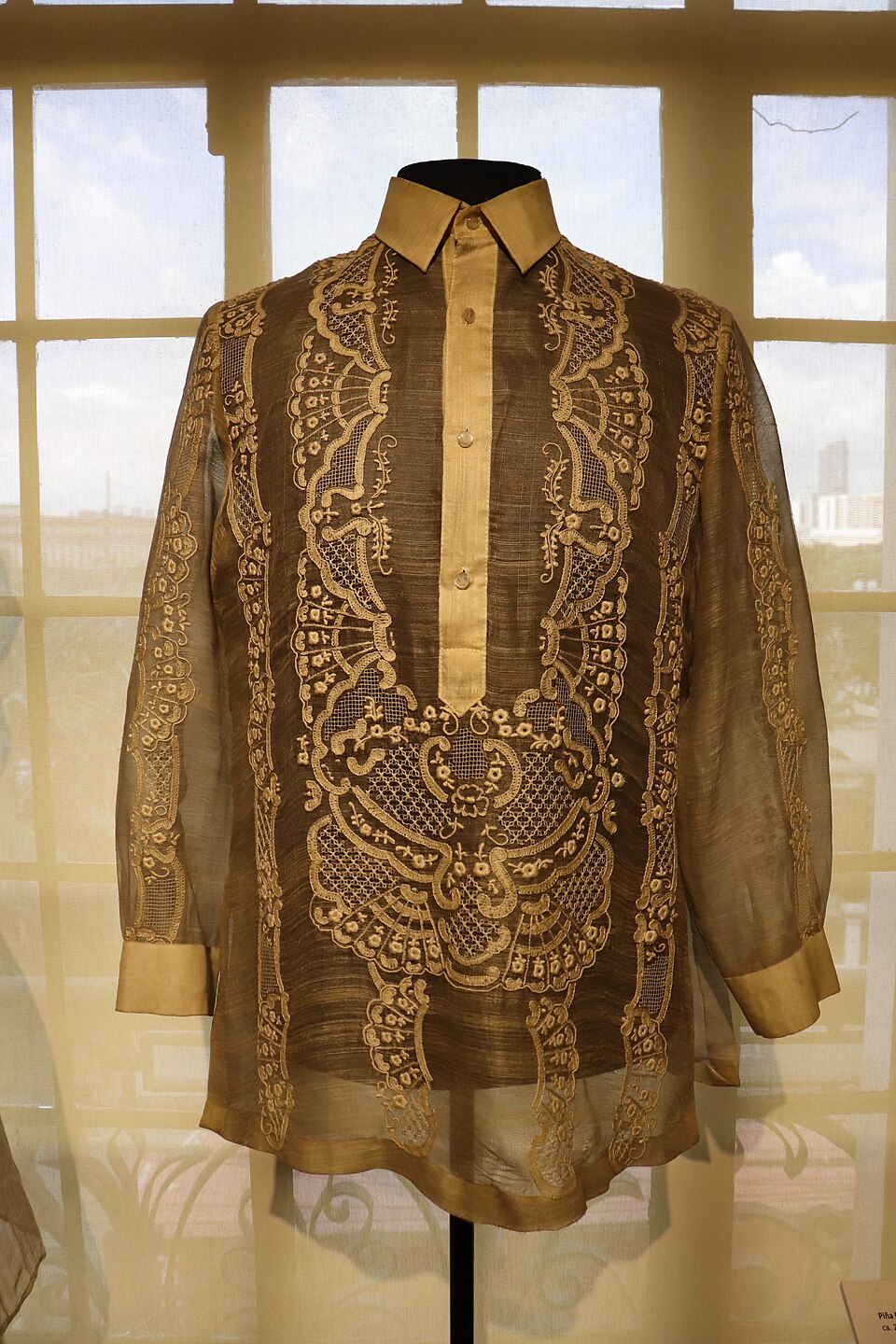
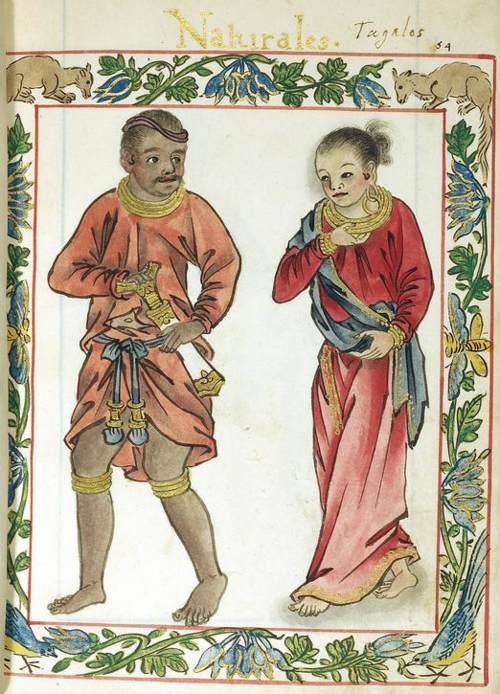
The barong tagalog, more commonly known simply as barong (and occasionally baro), is an embroidered long-sleeved formal shirt for men and a national dress of the Philippines. Barong tagalog combines elements from both the precolonial native Filipino and colonial Spanish clothing styles. It is traditionally made with sheer textiles (nipis) woven from piña or abacá; although in modern times, cheaper materials like organza silk, ramie or polyester are also used.
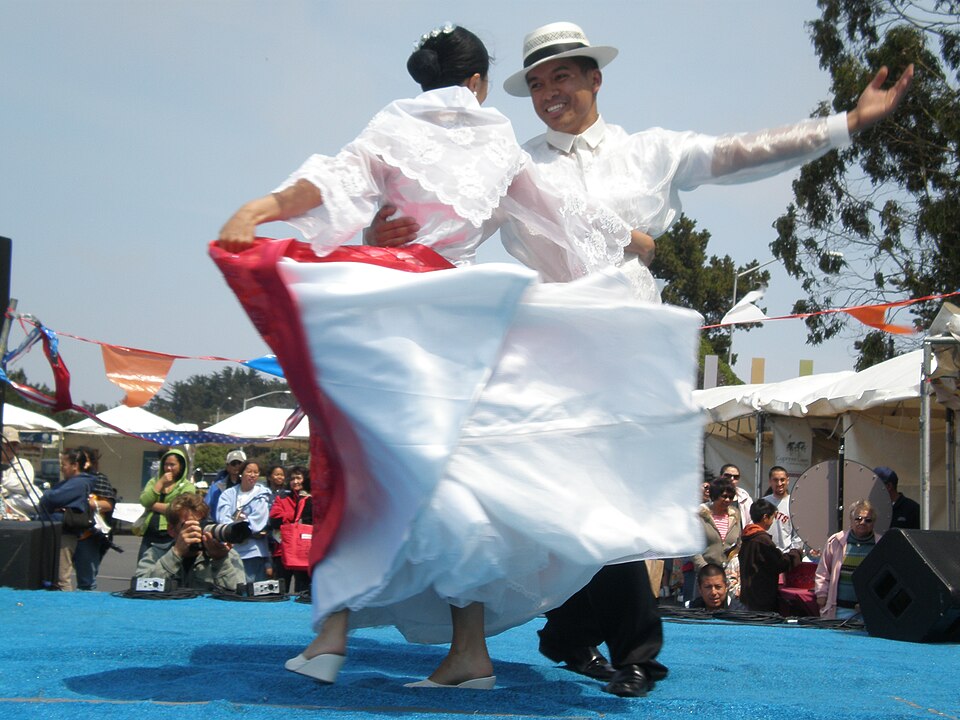
It is a common formal or semi-formal attire in Filipino culture, and is worn untucked over an undershirt with belted trousers and dress shoes. Baro't saya is the feminine equivalent of barong tagalog, with the Maria Clara gown being the formal variant of the latter. Barong tagalog was also known as camisa fuera ("outer shirt") in Philippine Spanish.
Further reading
Barong Tagalog is one of the 3D puzzles in World Artifacts: turn a cloud of broken pieces until it lines up. For iPhone, iPad, Apple Vision Pro and Android.

