World Artifacts › Atlas › Philippines
José Rizal
Rizal wrote two novels that made the case against Spanish rule and was executed for them at thirty-five, having never advocated armed revolt. The night before he died he wrote a farewell poem and hid it in an oil lamp, which his sister collected.
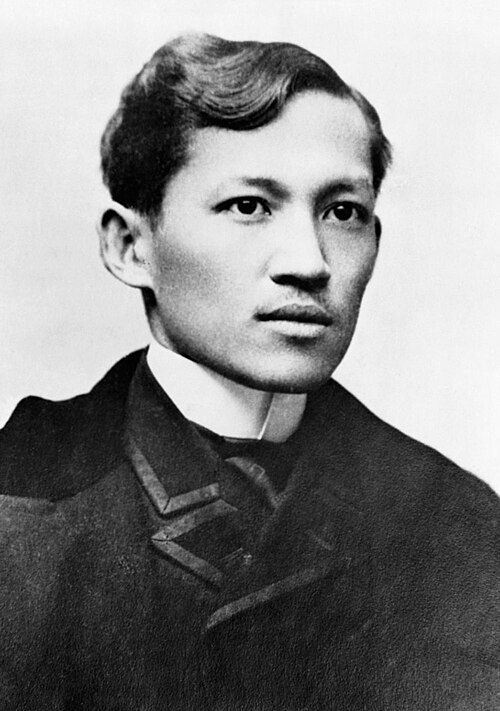
José Protasio Rizal Mercado y Alonso Realonda (Spanish: [xoˈse riˈsal, -ˈθal], Tagalog: [hoˈse ɾiˈsal]; June 19, 1861 - December 30, 1896) was a Filipino nationalist, writer, and polymath active at the end of the Spanish colonial period of the Philippines. He is popularly considered to be a national hero of the Philippines. An ophthalmologist by profession, Rizal became a writer and a key member of the Filipino Propaganda Movement in the 1880s, which advocated political reforms for the colony under Spain.
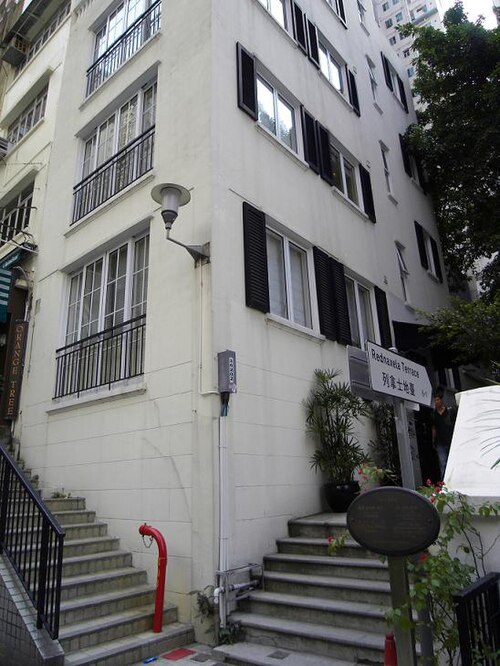
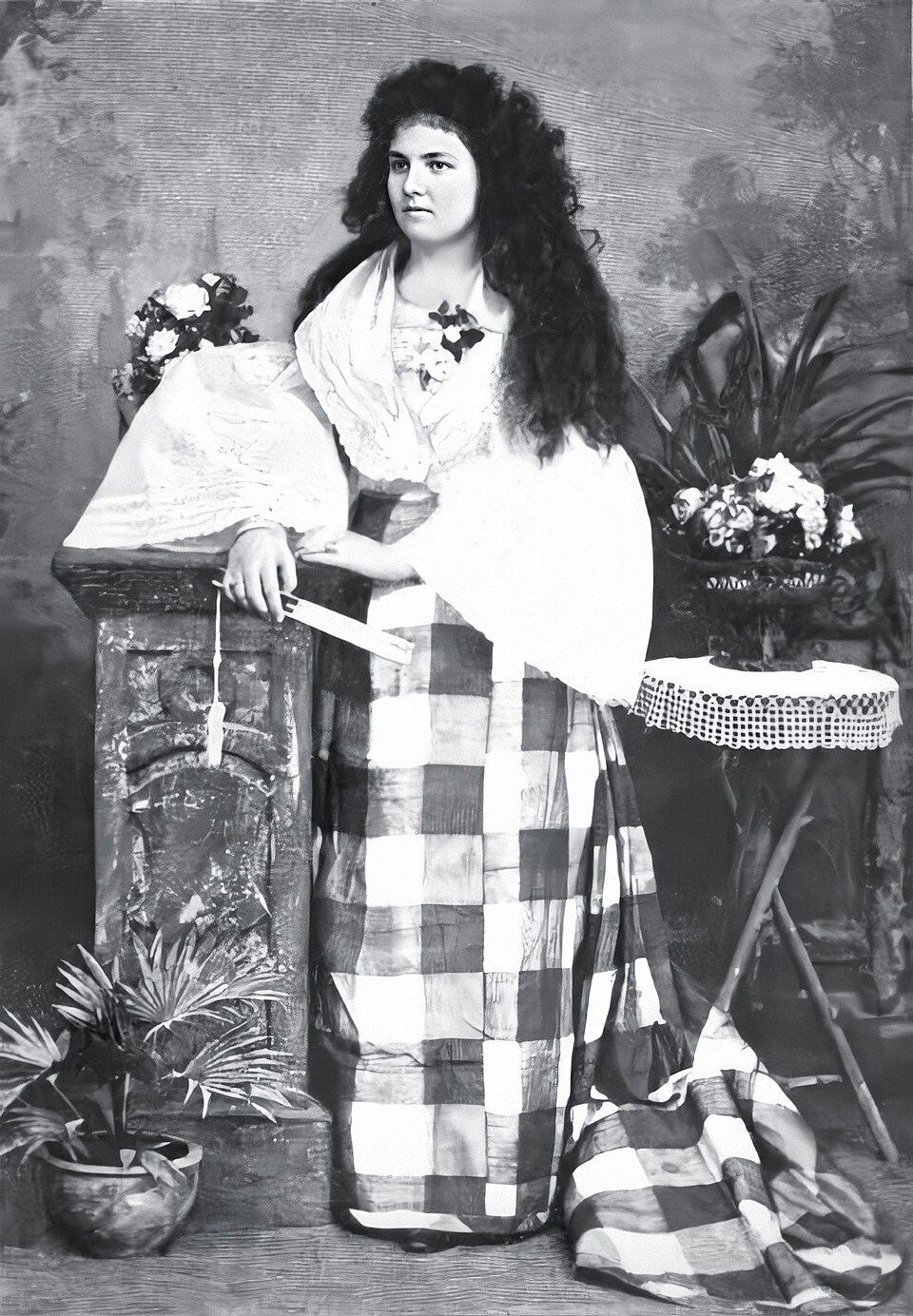
By the early 1890s, amidst the Calamba land dispute, Rizal grew more separatist in his stance, conflicting with several colleagues in the Propaganda Movement. On July 6, 1892, a few days after establishing the secret society La Liga Filipina within Manila, Rizal was arrested by Spanish authorities for alleged possession of a seditious document, being banished to Dapitan in the island of Mindanao. During his exile, Rizal met Josephine Bracken, an Irish woman who later became his common-law wife.
Further reading
- Rizal · Austin Coates (1968)A biography of José Rizal, the Filipino nationalist and writer.Find a copy: AbeBooks · Amazon · WorldCat
- The first Filipino, a biography of José Rizal · León María Guerrero (1963)A biography of Rizal presenting him as the first Filipino.Find a copy: AbeBooks · Amazon · WorldCat
José Rizal is one of the 3D puzzles in World Artifacts: turn a cloud of broken pieces until it lines up. For iPhone, iPad, Apple Vision Pro and Android.

