World Artifacts › Atlas › Philippines
Santo Niño
The statue was a christening present from Magellan in 1521, found forty-four years later by Spanish soldiers in a burned village, unharmed in a box. It is the oldest Christian relic in the Philippines and its festival fills Cebu with a million people.
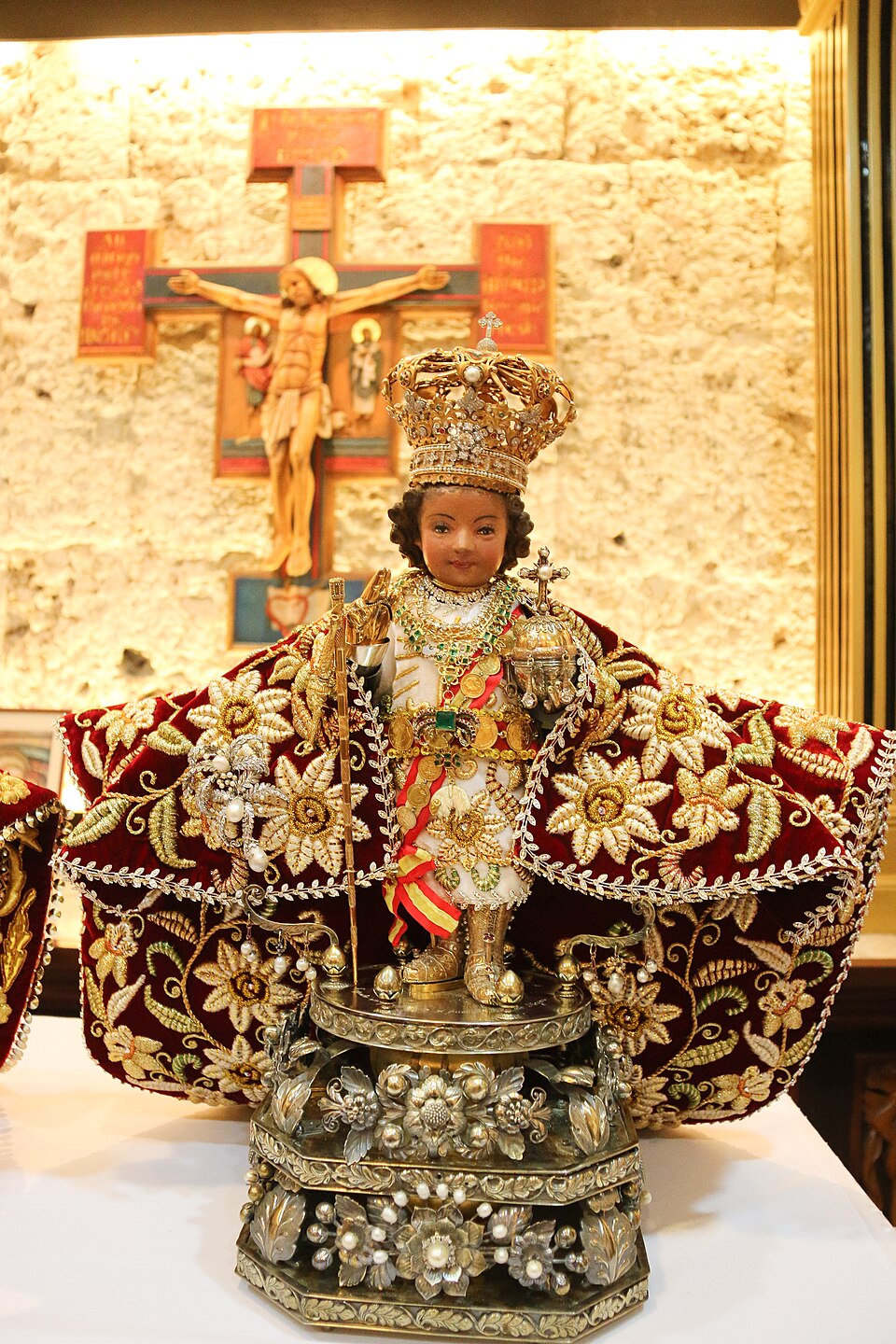
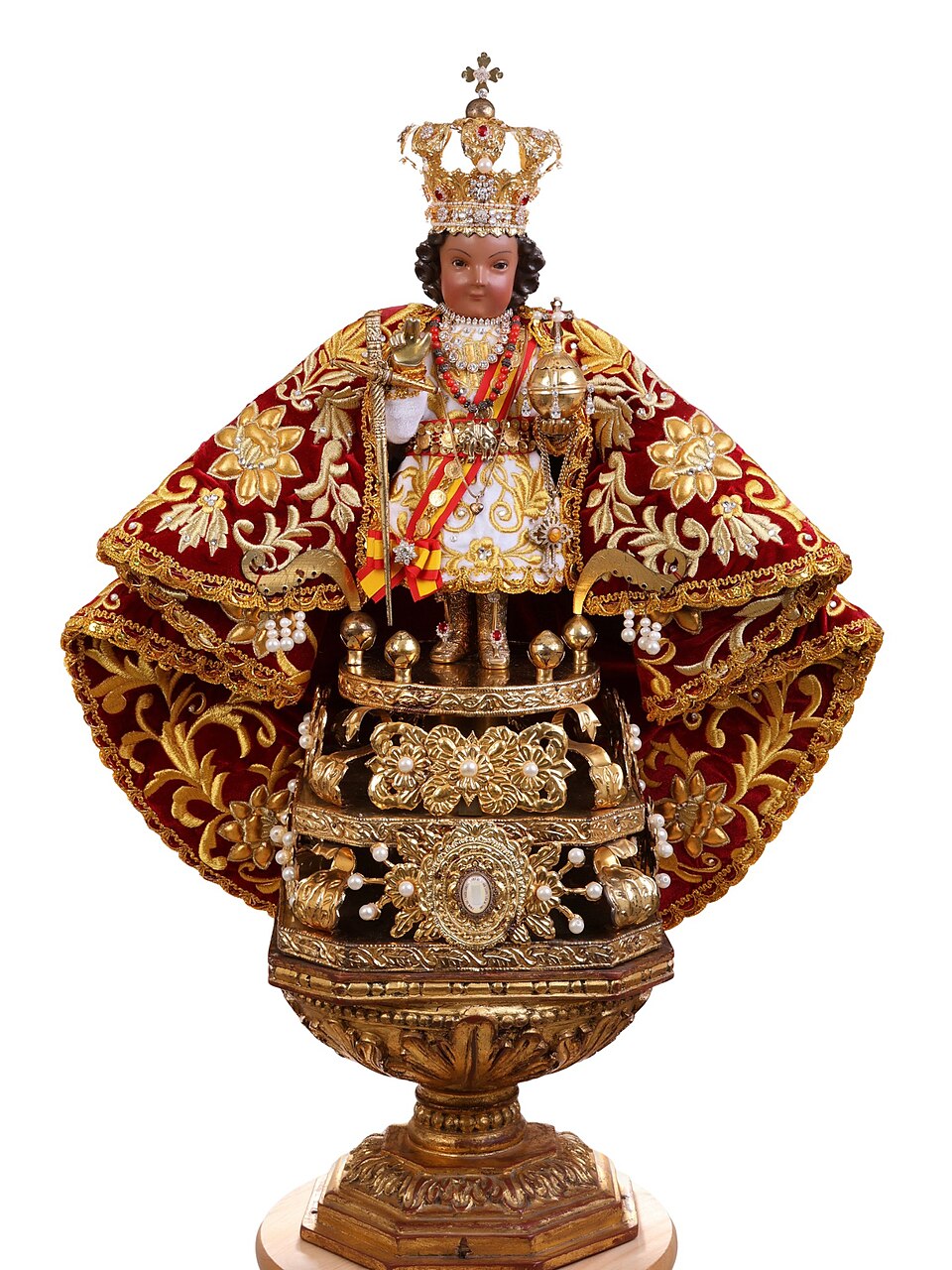
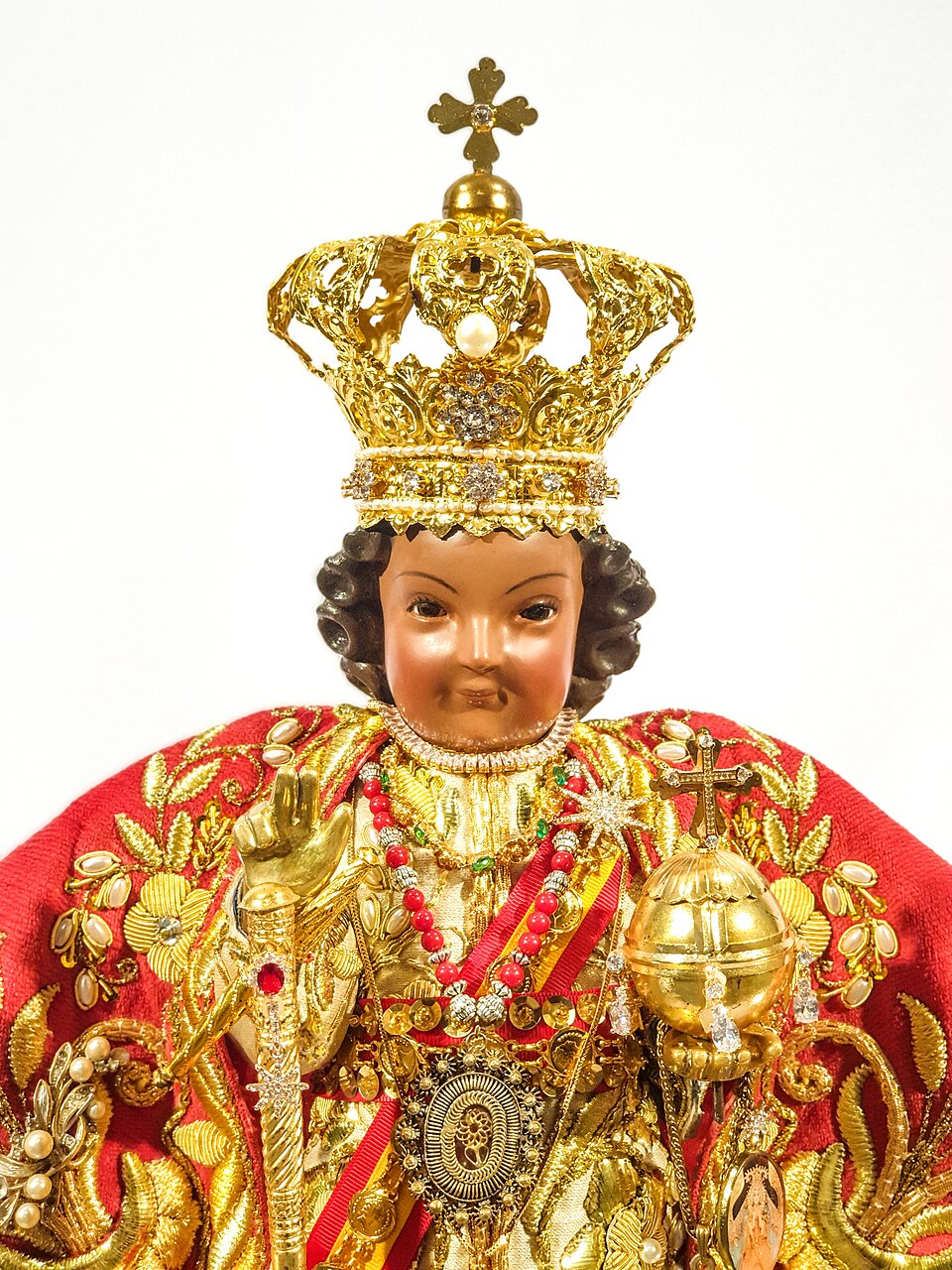
The Señor Santo Niño de Cebú (lit. 'Lord Holy Child of Cebu'), or simply the Santo Niño, is a Catholic title of the Child Jesus associated with a religious image widely venerated as miraculous by Filipino Catholics. It is the oldest Christian artifact in the Philippines, originally given as a gift by Ferdinand Magellan to Rajah Humabon and his wife and chief consort, Hara Humamay, on the occasion of their Christian baptism in 1521. The image is the only canonically crowned image of Jesus in the Philippines.
Further reading
- Body, movement, and culture · Sally Ann Ness (1992)Covers Philippine social life and the Sinulog dance, tied to the Santo Niño festival.Find a copy: AbeBooks · Amazon · WorldCat
- The first voyage around the world (1519-1522) · Antonio Pigafetta (1995)Pigafetta's account of Magellan's voyage around the world, which reached the Philippines in 1521.Find a copy: AbeBooks · Amazon · WorldCat
Santo Niño is one of the 3D puzzles in World Artifacts: turn a cloud of broken pieces until it lines up. For iPhone, iPad, Apple Vision Pro and Android.

