World Artifacts › Atlas › Pakistan
Mughal Emperor
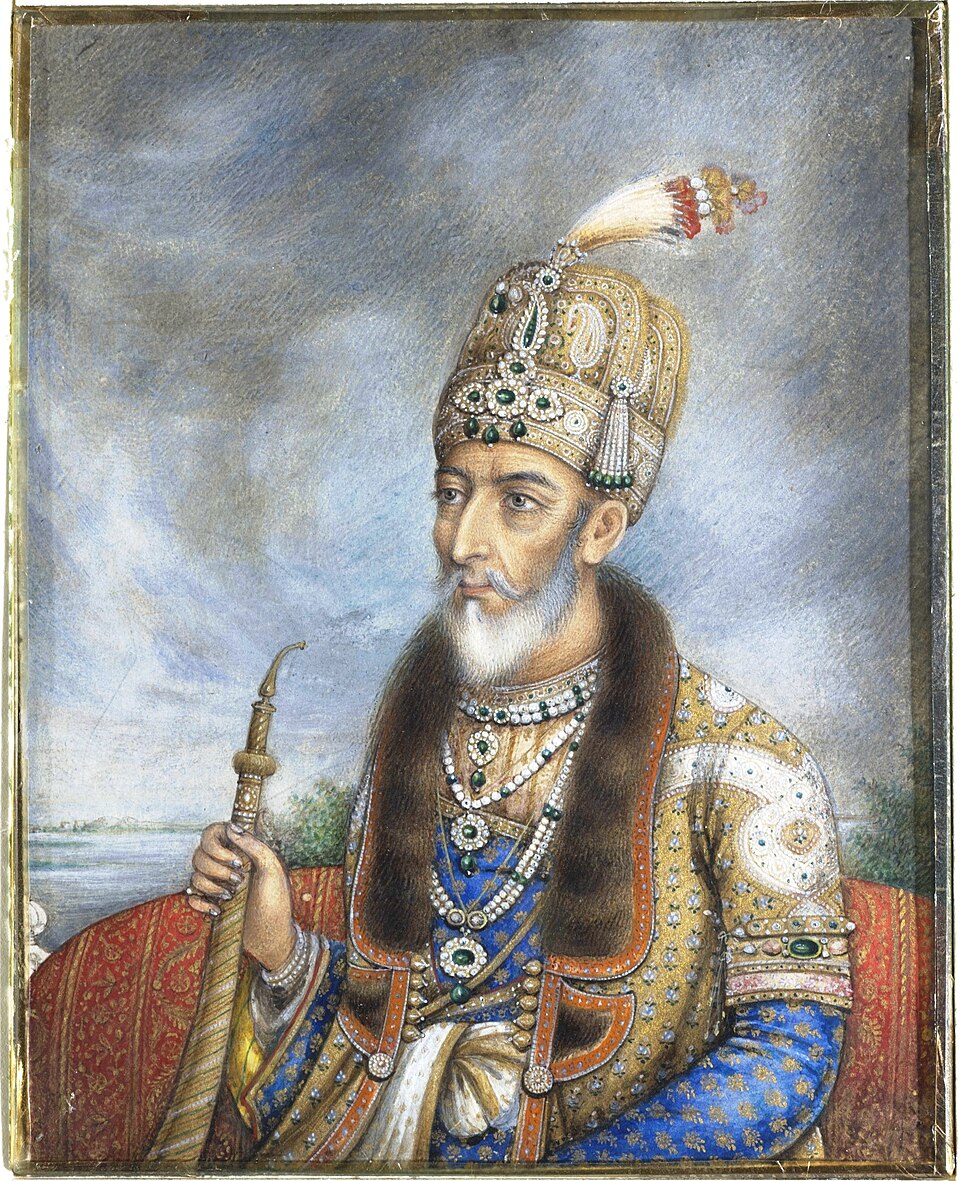
The emperor in a jewelled turban.
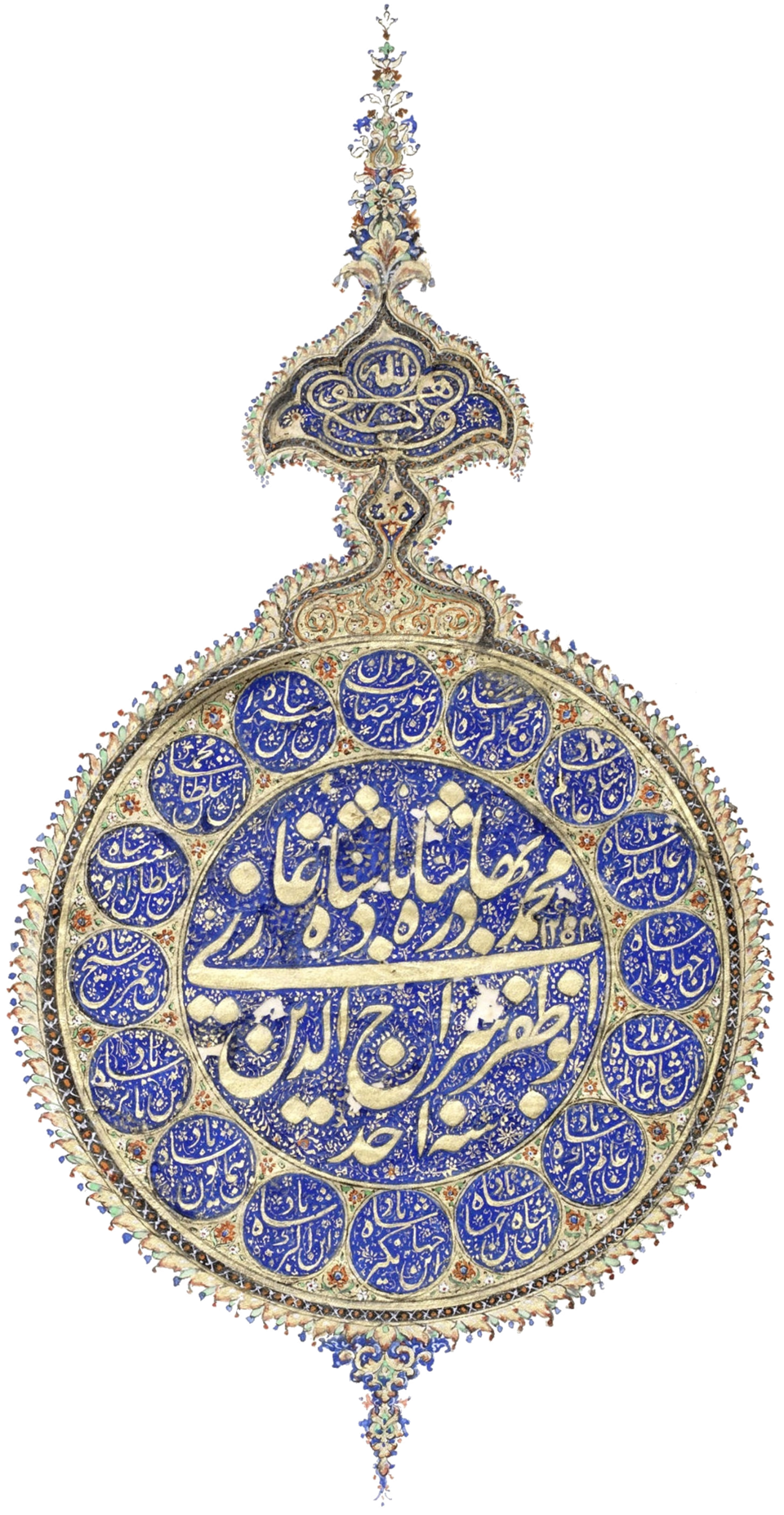
The emperors of the Mughal Empire, who were all members of the Timurid dynasty, ruled the empire from its inception on 21 April 1526 to its dissolution on 21 September 1857. They were monarchs of the Mughal Empire in the Indian subcontinent, mainly encompassing the modern-day countries of India, Pakistan, Afghanistan, and Bangladesh. They ruled many parts of India from 1526, and by 1707 they ruled most of the subcontinent. Afterwards, their power declined rapidly, but nominally ruled territories until the Indian Rebellion of 1857.
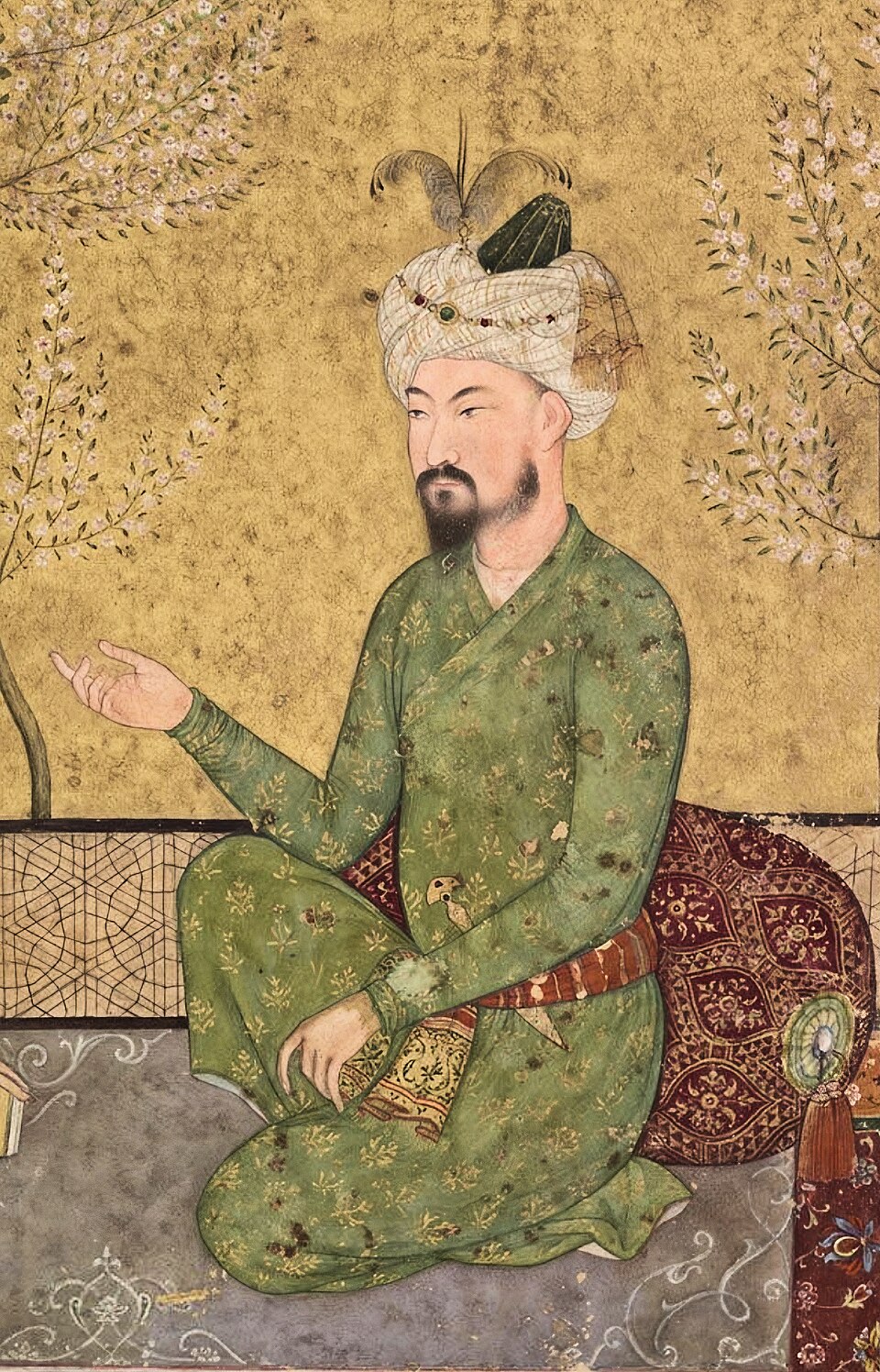
The Mughal dynasty was founded by Babur (r. 1526-1530), a Timurid prince from the Fergana Valley (modern-day Uzbekistan). He was a direct descendant of both Timur and Genghis Khan.
The later Mughal emperors had significant Indian and Persian ancestry through marriage alliances as emperors were born to Indian and Persian princesses.
During the reign of 6th Mughal emperor Aurangzeb, the empire, as the world's largest economy and manufacturing power, worth over 25% of global GDP, controlled nearly all of the Indian subcontinent, extending from Dhaka in the east to Kabul in the west and from Kashmir in the north to the Kaveri River in the south.
Further reading
- Emperors of the Peacock Throne · Abraham Eraly (2001)Covers the Mughal emperors of the Peacock Throne as kings and rulers in history.Find a copy: AbeBooks · Amazon · WorldCat
- The Empire of the Great Mughals · Annemarie Schimmel (2004)Surveys Mughal civilization and art, including the great cities of Agra and Lahore.Find a copy: AbeBooks · Amazon · WorldCat
Mughal Emperor is one of the 3D puzzles in World Artifacts: turn a cloud of broken pieces until it lines up. For iPhone, iPad, Apple Vision Pro and Android.

