World Artifacts › Atlas › Poland
Wawel Dragon
The dragon under Wawel hill was killed by a poor shoemaker, not a knight: he left out a sheep stuffed with sulphur, and the dragon ate it, drank half the river and burst. The bronze statue at the cave mouth breathes fire when sent a text message.
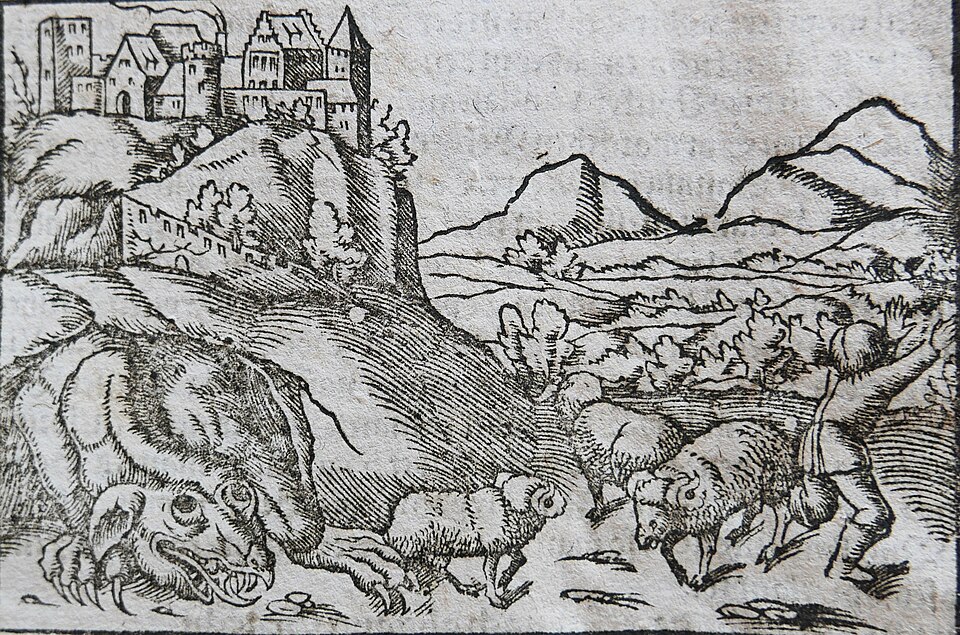
The Wawel Dragon (Polish: Smok Wawelski), also known as the Dragon of Wawel Hill, is a famous dragon in Polish legend.

According to the earliest account (13th century), a dragon (holophagos, "one who swallows whole") plagued the capital city of Kraków established by legendary King Krak (or Krakus, Gracchus, etc.). The man-eating monster was being appeased with a weekly ration of cattle, until finally being defeated by the king's sons using decoy cows stuffed with sulfur. But the younger prince ("Krak the younger" or "Krak junior") murdered his elder brother to take sole credit, and was banished afterwards. Consequently Princess Wanda had to succeed the kingdom. Later in a 15th-century chronicle, the prince-names were swapped, with the elder as "Krak junior" and the younger as Lech. It also credited the king himself with masterminding the carcasses full of sulfur and other reagents. A yet later chronicler (Marcin Bielski, 1597) credited the stratagem to a cobbler named Skub (Skuba), adding that the "Dragon's Cave" (Polish: Smocza Jama) lay beneath Wawel Castle (on Wawel Hill on the bank of the Vistula River).
Further reading
Wawel Dragon is one of the 3D puzzles in World Artifacts: turn a cloud of broken pieces until it lines up. For iPhone, iPad, Apple Vision Pro and Android.

