World Artifacts › Atlas › Palestine
Philistine Pottery
The painted pottery.
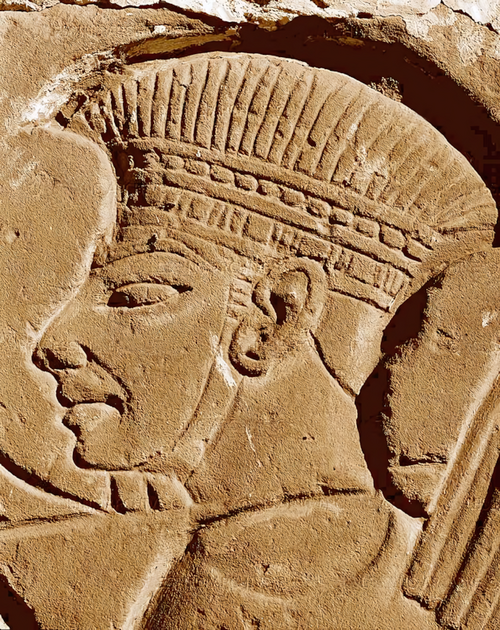
The Philistines (Hebrew: פְּלִשְׁתִּים, romanized: Pəlištīm; LXX Koine Greek: Φυλιστιείμ, romanized: Phulistieím; Latin: Philistaei) were an ancient people who lived along the southern coast of Canaan during the Iron Age. Their territory was organized into a confederation of city-states known collectively as Philistia. They spoke the Philistine language, which is poorly attested, with debate ongoing among scholars as to whether the Philistines originally spoke an Indo-European language that gradually synthesized with the local Canaanite dialect continuum of the Northwest Semitic languages.
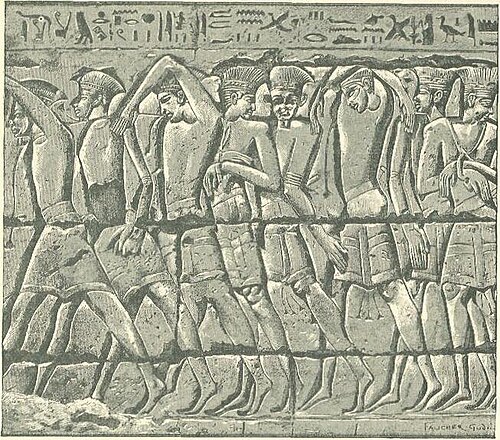
There is evidence to suggest that the Philistine identity began developing through the arrival in Canaan of a Greek migrant group from the Aegean. These people are thought to have settled in Canaan around 1175 BC, amidst the Late Bronze Age collapse, and intermixed with the indigenous Canaanite societies, from whom they assimilated elements while preserving their own unique culture.
Further reading
- The Philistines and their material culture · Trude Krakauer Dothan (1967)A study of Philistine material culture, covering antiquities and excavations.Find a copy: AbeBooks · Amazon · WorldCat
- People of the sea · Trude Krakauer Dothan (1992)A book on the Philistines covering excavations and antiquities.Find a copy: AbeBooks · Amazon · WorldCat
Philistine Pottery is one of the 3D puzzles in World Artifacts: turn a cloud of broken pieces until it lines up. For iPhone, iPad, Apple Vision Pro and Android.

