World Artifacts › Atlas › Palestine
Za'atar Bowl
The spice with olive oil.
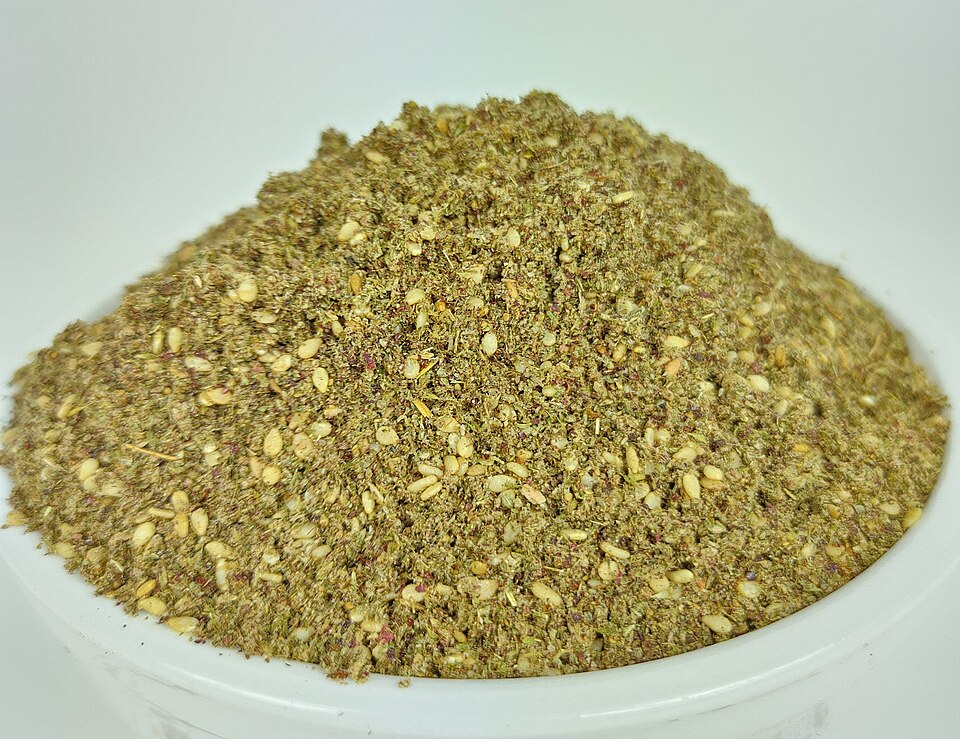
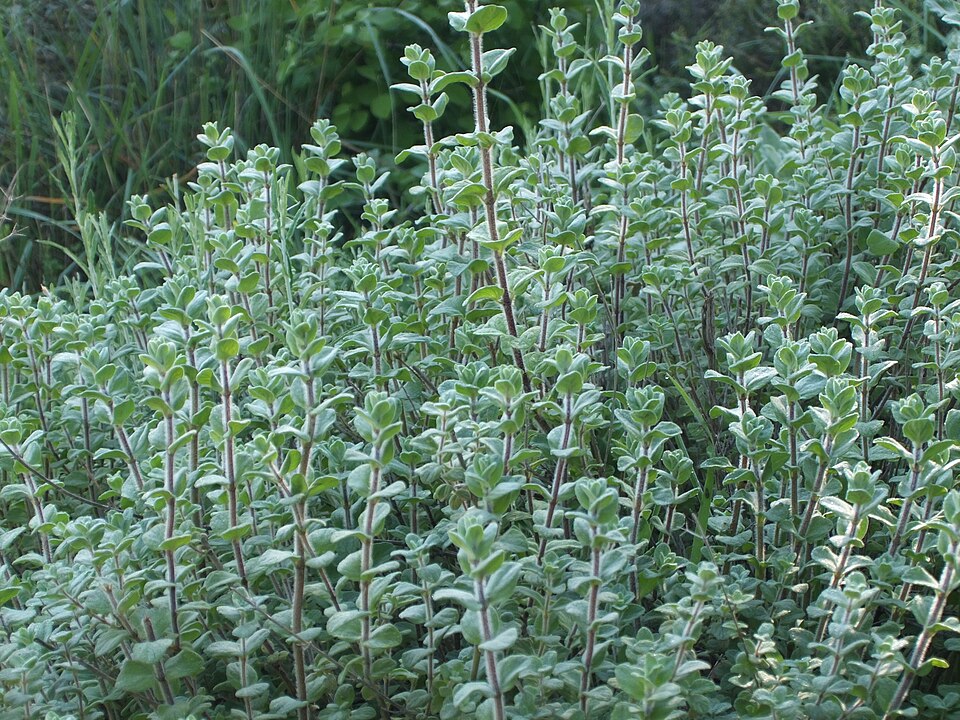
Za'atar ( ZAH-tar; Arabic: زَعْتَر, IPA: [ˈzaʕtar]) is a versatile herb blend and family of wild herbs native to the Levant, central to Middle Eastern cuisine and culture. The term refers both to aromatic plants of the Origanum and Thymbra genera (including Origanum syriacum, known as Bible hyssop) and to the prepared spice mixture of dried herbs (traditionally Origanum syriacum), toasted sesame seeds, sumac, and salt. With roots stretching back to ancient Egypt and classical antiquity, za'atar has been used for millennia as a seasoning, folk remedy, and cultural symbol.
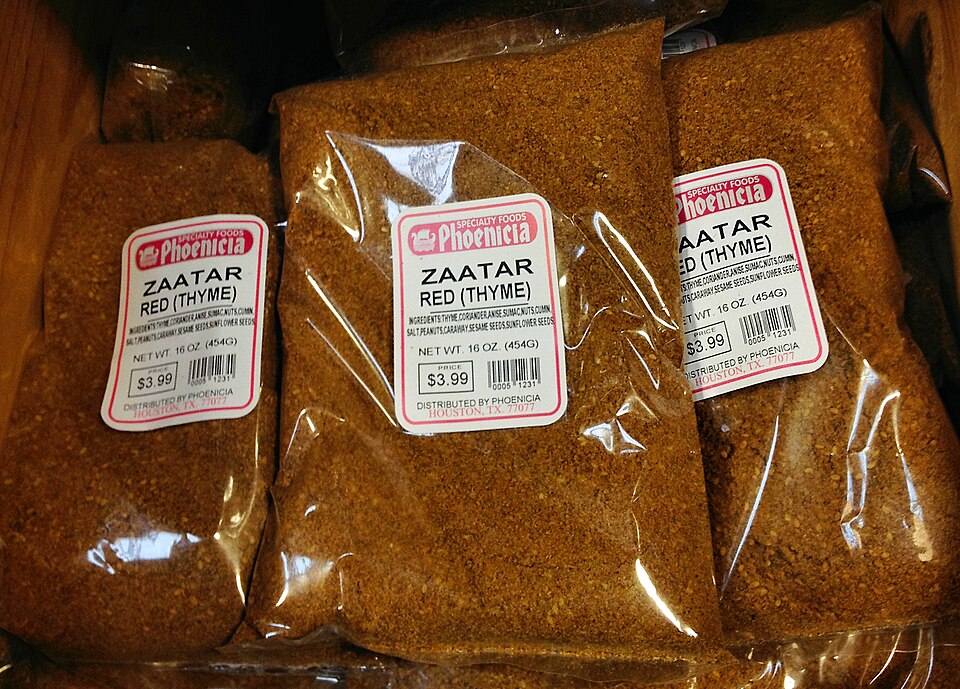
The spice blend varies regionally, with Lebanese versions emphasizing sumac's tartness, while Palestinian varieties may include caraway. It flavors iconic dishes like manakish (za'atar flatbread), enhances labneh and hummus, and is mixed with olive oil as a dip (za'atar-wu-zayt). Beyond cuisine, medieval Arabic and Jewish medical texts, including works by Maimonides, documented za'atar's digestive benefits, and Palestinian tradition associates it with mental alertness.
Further reading
Za'atar Bowl is one of the 3D puzzles in World Artifacts: turn a cloud of broken pieces until it lines up. For iPhone, iPad, Apple Vision Pro and Android.

