World Artifacts › Atlas › Portugal
Azulejo Tile
Azulejos came with the Moors, and the word is Arabic rather than a reference to blue. Portugal took the technique and covered entire buildings, inside and out, in narrative panels; the Lisbon metro continued the practice into the 1990s with commissioned artists.

Azulejo (Portuguese: [ɐzuˈle(j)ʒu, ɐzuˈlɐjʒu], Spanish: [aθuˈlexo]; from the Arabic الزليج, al-zillīj) is a form of Iberian painted tin-glazed ceramic tilework. They are an ornamental art form, but also had a specific function, such as aiding temperature control in homes.
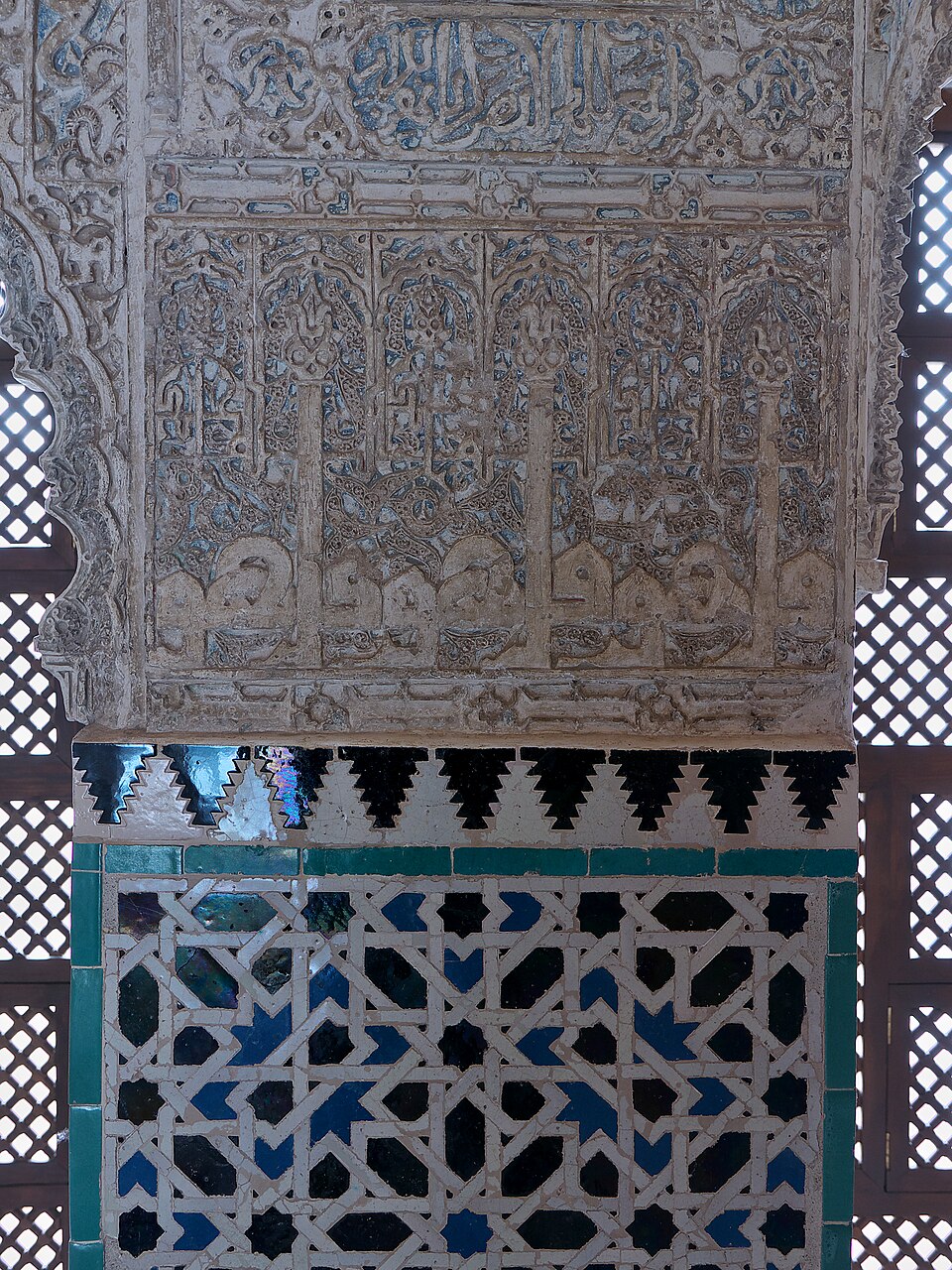
There is also a tradition of their production in former Portuguese and Spanish colonies in North America, South America, the Philippines, Goa, Lusophone Africa, East Timor, and Macau. Azulejos constitute a major aspect of Portuguese and Spanish architecture to this day, and are found on buildings across Portugal, Spain and their former territories. Many azulejos chronicle major historical and cultural aspects of Portuguese and Spanish history.
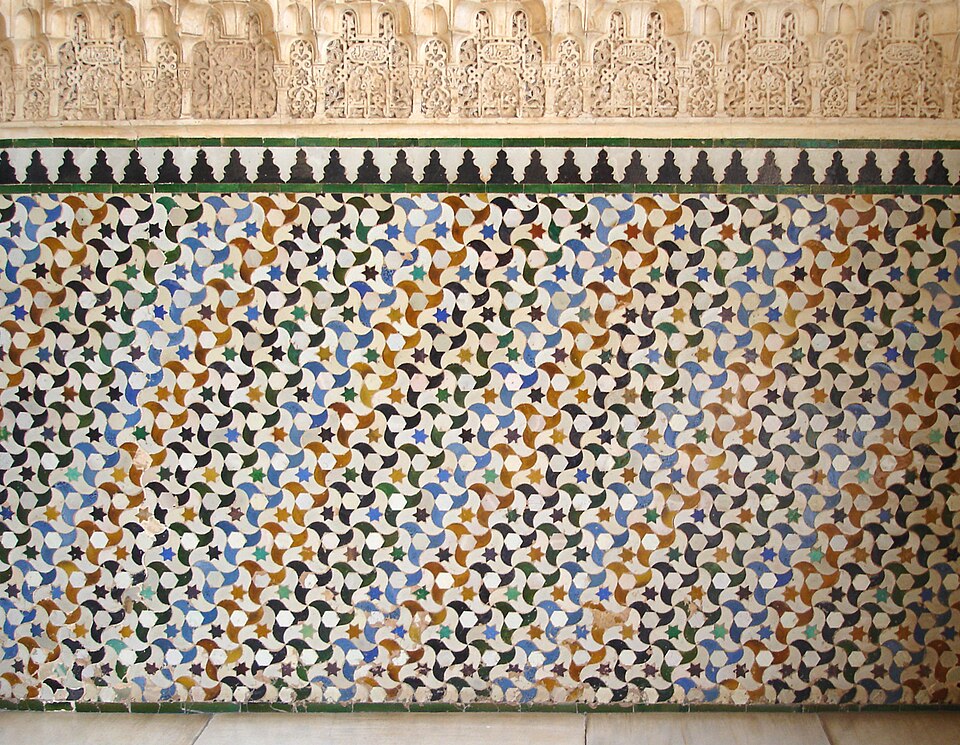
In Spanish and Portuguese, azulejo is the everyday word for (any) tile.
Further reading
- Tin-glaze pottery in Europe and the Islamic world · Alan Caiger-Smith (1973)A history of tin-glaze pottery in Europe and the Islamic world.Find a copy: AbeBooks · Amazon · WorldCat
- Tile panels of Spain 1500-1650 · Alice Wilson Frothingham (1969)Covers Spanish tile panels from 1500 to 1650.Find a copy: AbeBooks · Amazon · WorldCat
Azulejo Tile is one of the 3D puzzles in World Artifacts: turn a cloud of broken pieces until it lines up. For iPhone, iPad, Apple Vision Pro and Android.

