World Artifacts › Atlas › Portugal
Sardine
Lisbon grills sardines on charcoal in the street through June, and the smoke is the smell of the festival. The fish are only worth eating in the summer months, when they are fat, which is exactly when the festivals are.
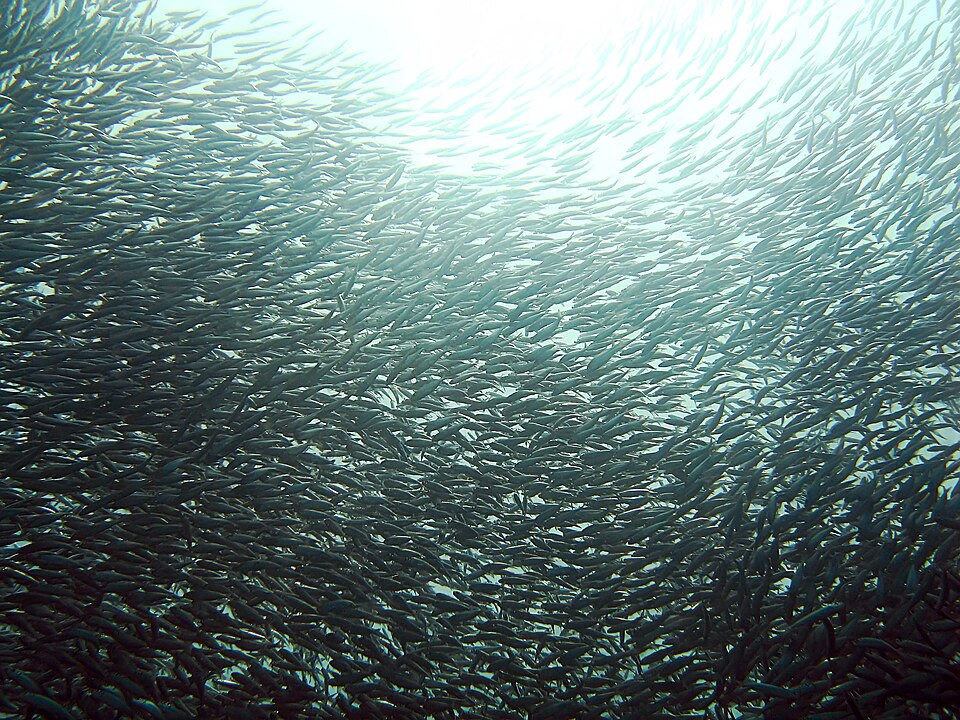
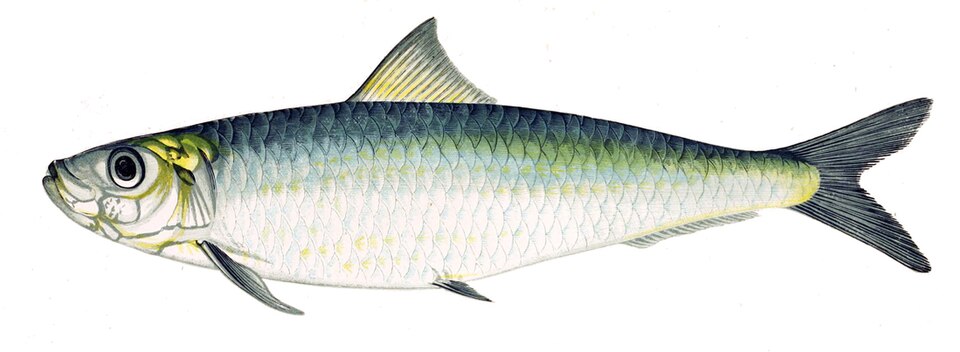
Sardine and pilchard are common names for various species of small, oily forage fish in the herring suborder Clupeoidei. The term "sardine" was first used in English during the early 15th century, possibly referring to Sardinia, around which sardines were once supposedly abundant.
The terms "sardine" and "pilchard" are not precise, and what is meant depends on the region. The United Kingdom's Sea Fish Industry Authority, for example, classifies sardines as young pilchards. One criterion suggests fish shorter in length than 15 cm (6 in) are sardines, and larger fish are pilchards. The FAO/WHO Codex standard for canned sardines cites 21 species that may be classed as sardines. FishBase, a database of information about fish, calls at least six species pilchards, over a dozen just sardines, and many more with the two basic names qualified by various adjectives.
Sardine is one of the 3D puzzles in World Artifacts: turn a cloud of broken pieces until it lines up. For iPhone, iPad, Apple Vision Pro and Android.

