World Artifacts › Atlas › Russia
Peter the Great
The horseman stands on a single granite boulder weighing about fifteen hundred tonnes, the largest stone ever moved by people. It was hauled six kilometres over frozen ground on bronze balls running in metal channels, and then floated on a purpose-built barge.
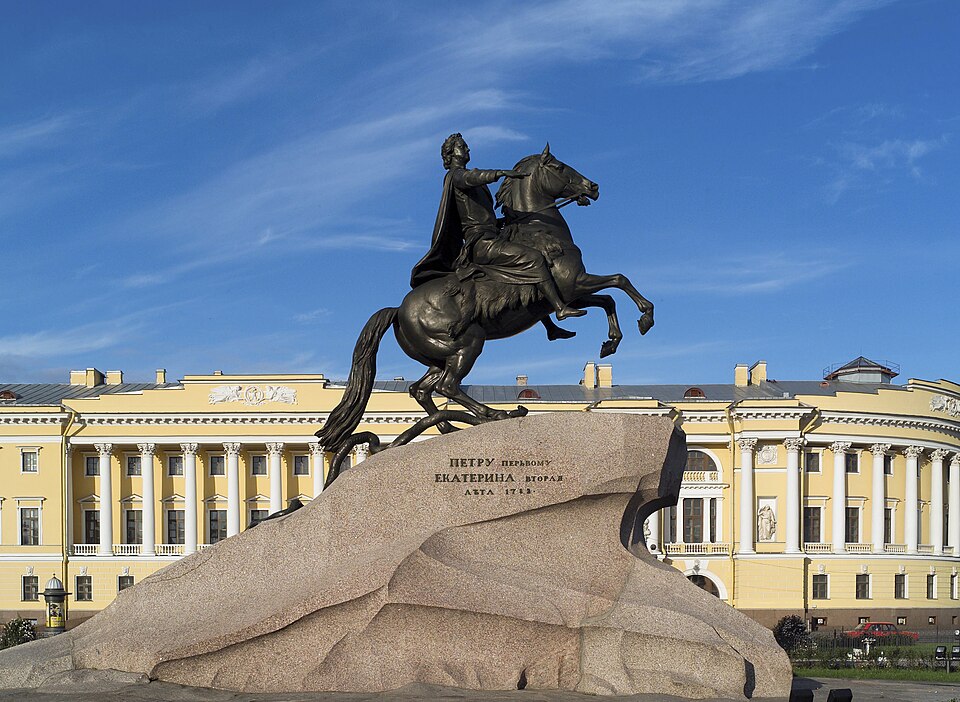
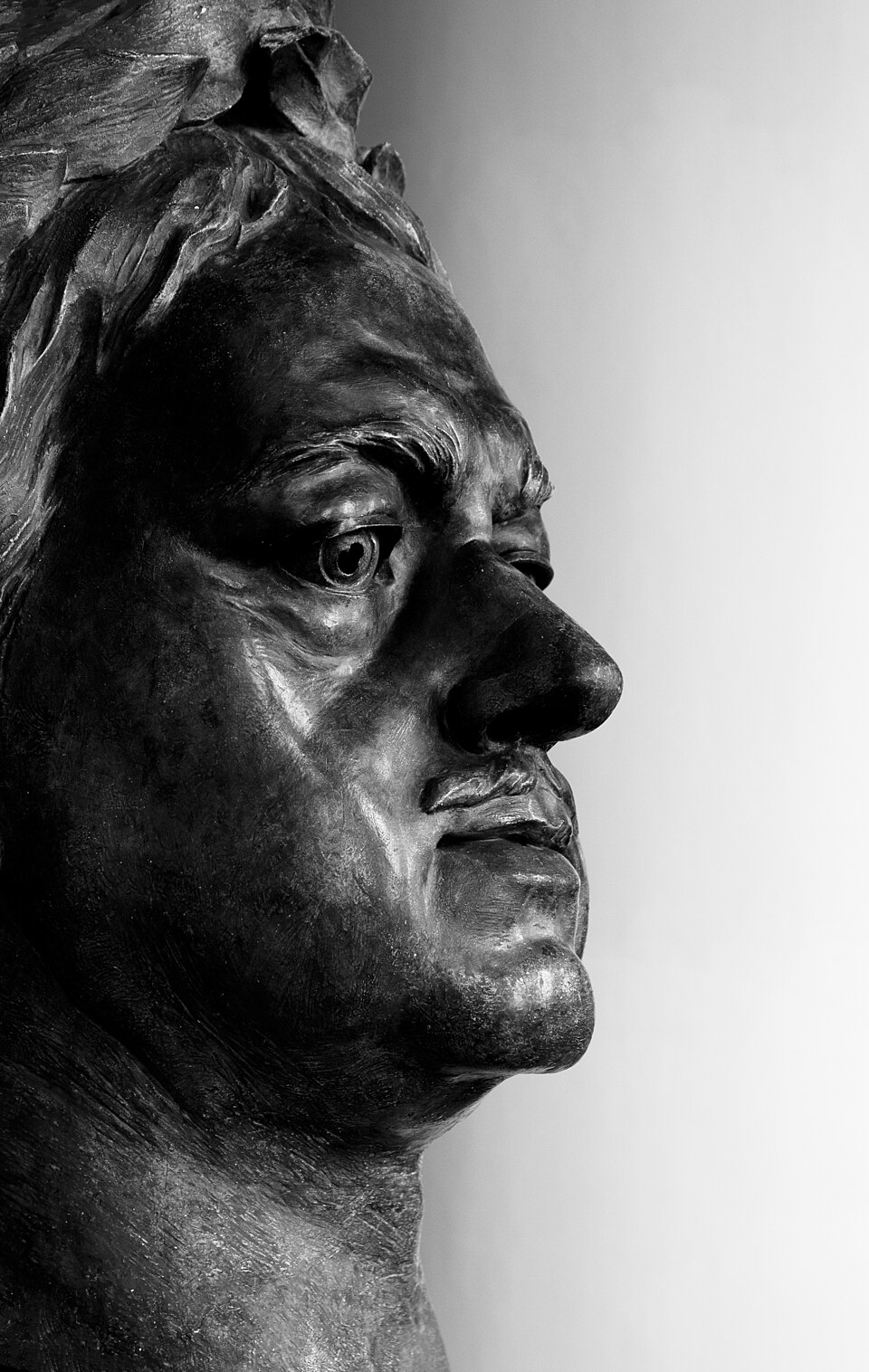
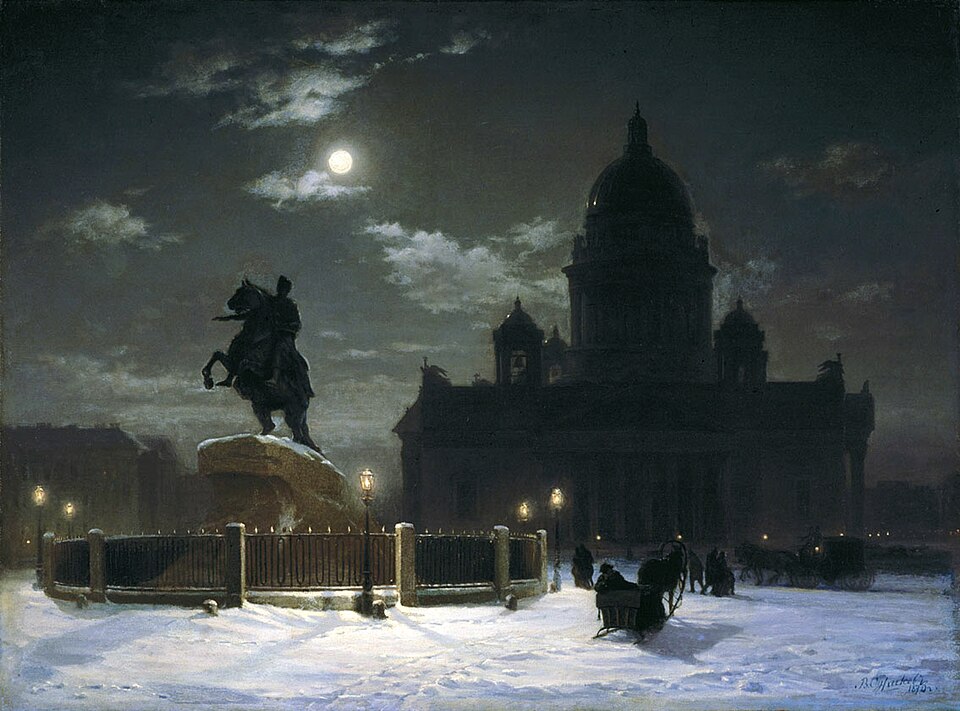
The Bronze Horseman (Russian: Медный всадник, romanized: Medny vsadnik, lit. 'copper horseman') is an equestrian statue of Peter the Great in the Senate Square in Saint Petersburg, Russia. It was opened to the public on 18 August [O.S. 7 August] 1782. Commissioned by Catherine the Great, it was created by the French sculptor Étienne Maurice Falconet. The statue influenced an 1833 poem of the same name by Alexander Pushkin, which is widely considered one of the most significant works of Russian literature. The statue is now one of the symbols of Saint Petersburg.
The statue's pedestal is the Thunder Stone, the largest stone ever moved by humans. The stone originally weighed about 1500 tonnes, but was carved down during transportation to its current size and weight of 1,250 tons.
Further reading
Peter the Great is one of the 3D puzzles in World Artifacts: turn a cloud of broken pieces until it lines up. For iPhone, iPad, Apple Vision Pro and Android.

