World Artifacts › Atlas › Russia
Trans-Siberian Locomotive
The Trans-Siberian runs 9,289 kilometres from Moscow to Vladivostok, crosses eight time zones and takes about seven days without getting off. The whole line was built in twenty-five years, largely by hand.
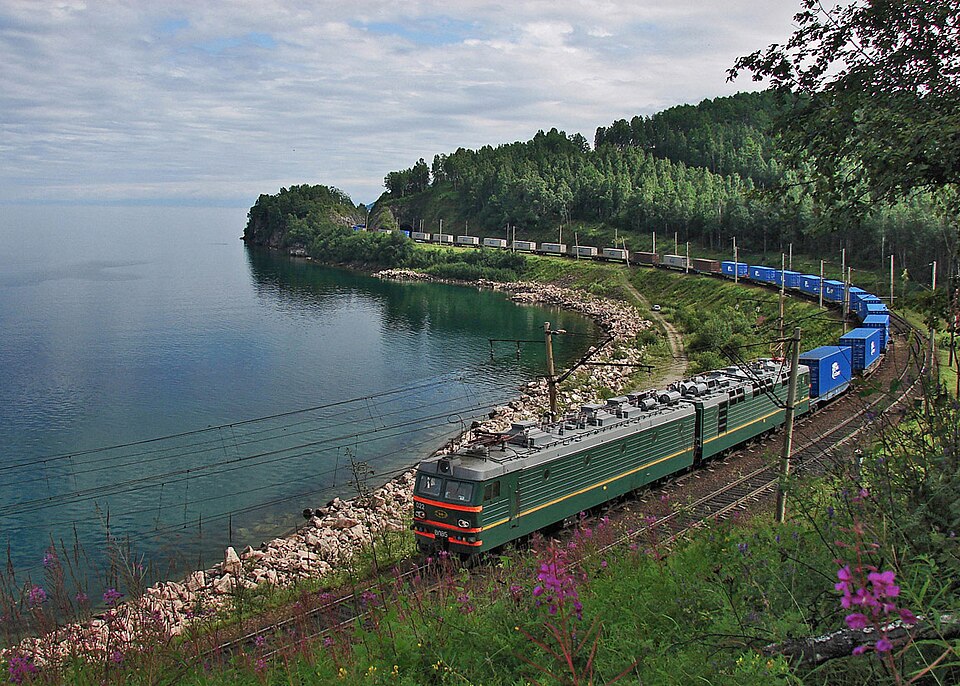
The Trans-Siberian Railway, historically known as the Great Siberian Route and often shortened to Transsib, is a large railway system that connects European Russia to the Russian Far East. Spanning a length of over 9,289 kilometers (5,772 miles), it is the longest railway line in the world. It runs from the city of Moscow in the west to the city of Vladivostok in the east.
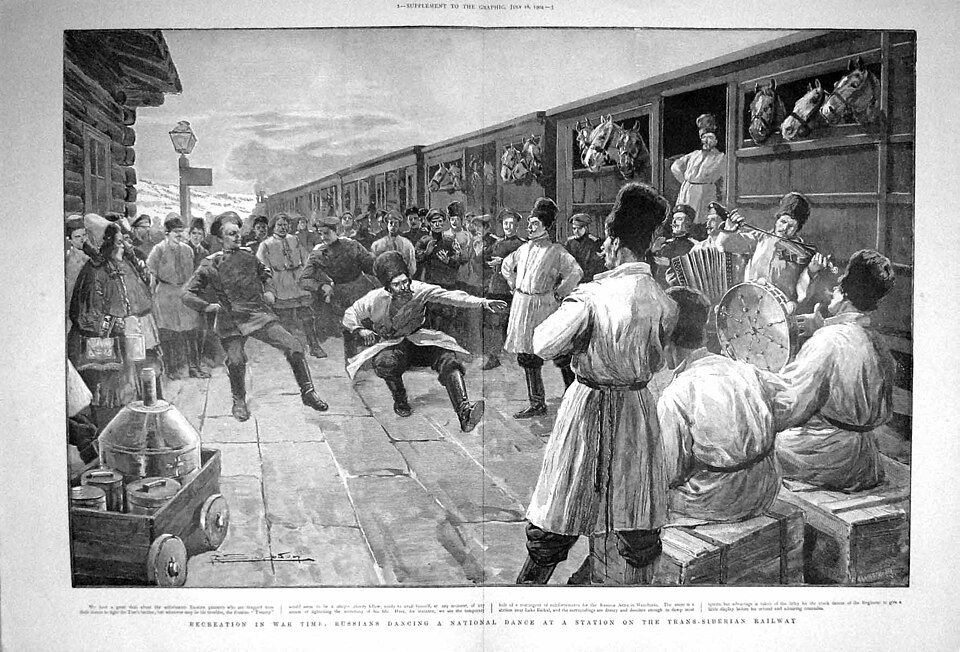
During the period of the Russian Empire, government ministers - personally appointed by Alexander III and his son Nicholas II - supervised the building of the railway network between 1891 and 1916. Even before its completion, the line attracted travelers who documented their experiences. Since 1916, the Trans-Siberian Railway has directly connected Moscow with Vladivostok. As of 2021, expansion projects remained underway, with connections being built to Russia's neighbors Mongolia, China, and North Korea. Additionally, there have been proposals and talks to expand the network to Tokyo, Japan, with new bridges or tunnels that would connect the mainland railway via the Russian island of Sakhalin and the Japanese island of Hokkaido.
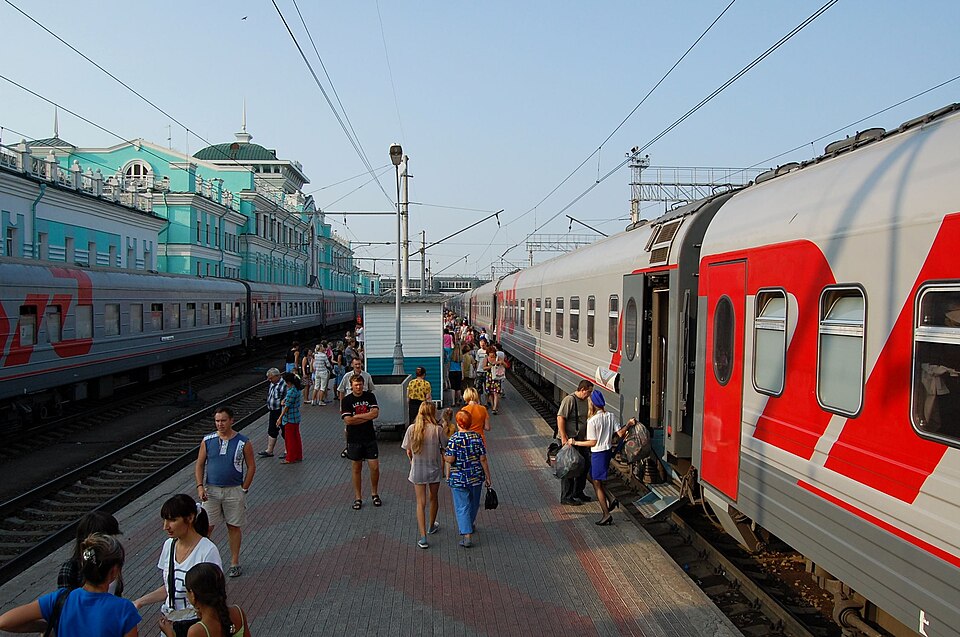
Further reading
Trans-Siberian Locomotive is one of the 3D puzzles in World Artifacts: turn a cloud of broken pieces until it lines up. For iPhone, iPad, Apple Vision Pro and Android.

