World Artifacts › Atlas › Solomon Is.
Skull Island Shrine
The shrine of ancestral skulls.
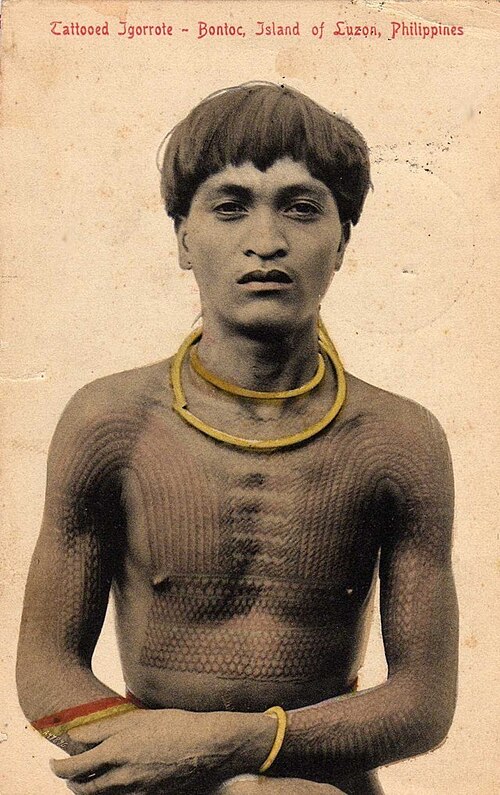
Headhunting is the practice of hunting a human and collecting the severed head after killing the victim. More portable body parts (such as ear, nose, or scalp) can be taken as trophies, instead. Headhunting has been practiced by many cultures throughout the world.
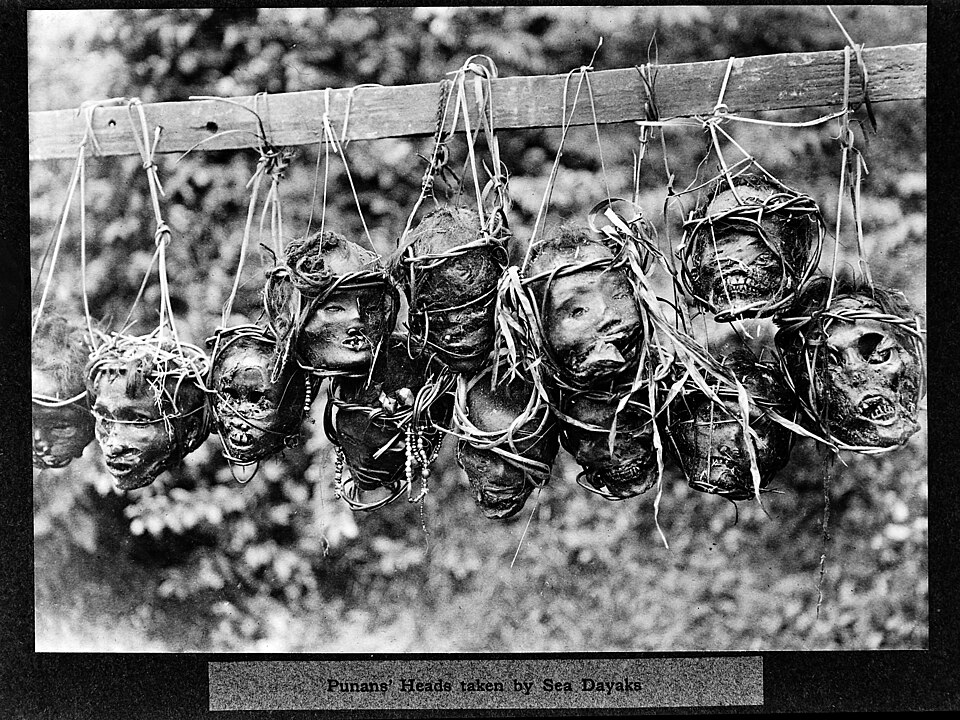
The headhunting practice has been the subject of intense study within the anthropological community, where scholars try to assess and interpret its social roles, functions, and motivations. Anthropological writings explore themes in headhunting that include mortification of the rival, ritual violence, cosmological balance, the display of manhood, cannibalism, dominance over the body and soul of his enemies in life and afterlife, as a trophy and proof of killing (achievement in hunting), show of greatness, prestige by taking on a rival's spirit and power, and as a means of securing the services of the victim as a slave in the afterlife.
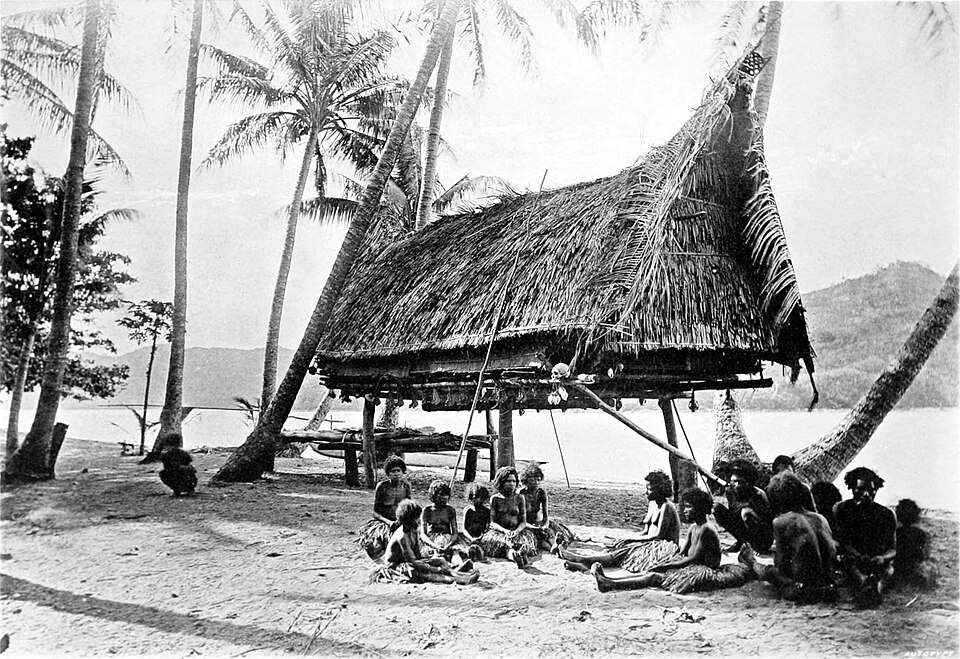
Today's scholars generally agree that headhunting's primary function was ritual and ceremonial. It was part of the process of structuring, reinforcing, and defending hierarchical relationships between communities and individuals. Some experts theorize that the practice stemmed from the belief that the head contained the victim's "soul matter" or life force, which could be harnessed through its capture.
Further reading
- A Naturalist Among The Head-hunters · Charles Morris Woodford (2018)Find a copy: AbeBooks · Amazon · WorldCat
- Guardians of Marovo Lagoon · Edvard Hviding (1996)Anthropological study of the Marovo people of the Solomon Islands, covering their social conditions, politics, land tenure, fishing and lagoon ecology.Find a copy: AbeBooks · Amazon · WorldCat
Skull Island Shrine is one of the 3D puzzles in World Artifacts: turn a cloud of broken pieces until it lines up. For iPhone, iPad, Apple Vision Pro and Android.

