World Artifacts › Atlas › Somalia
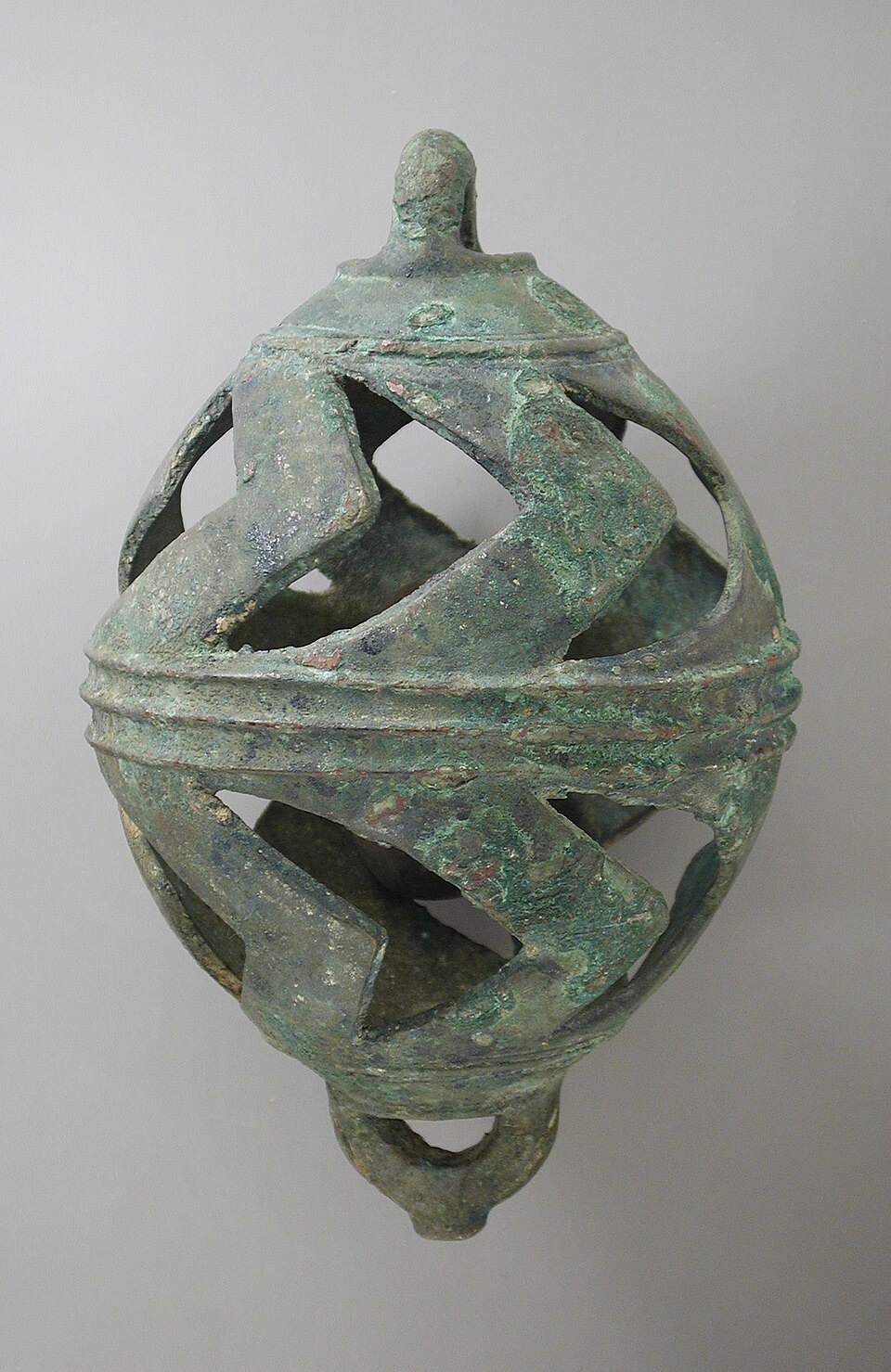
Camel Bell
The wooden camel bell.
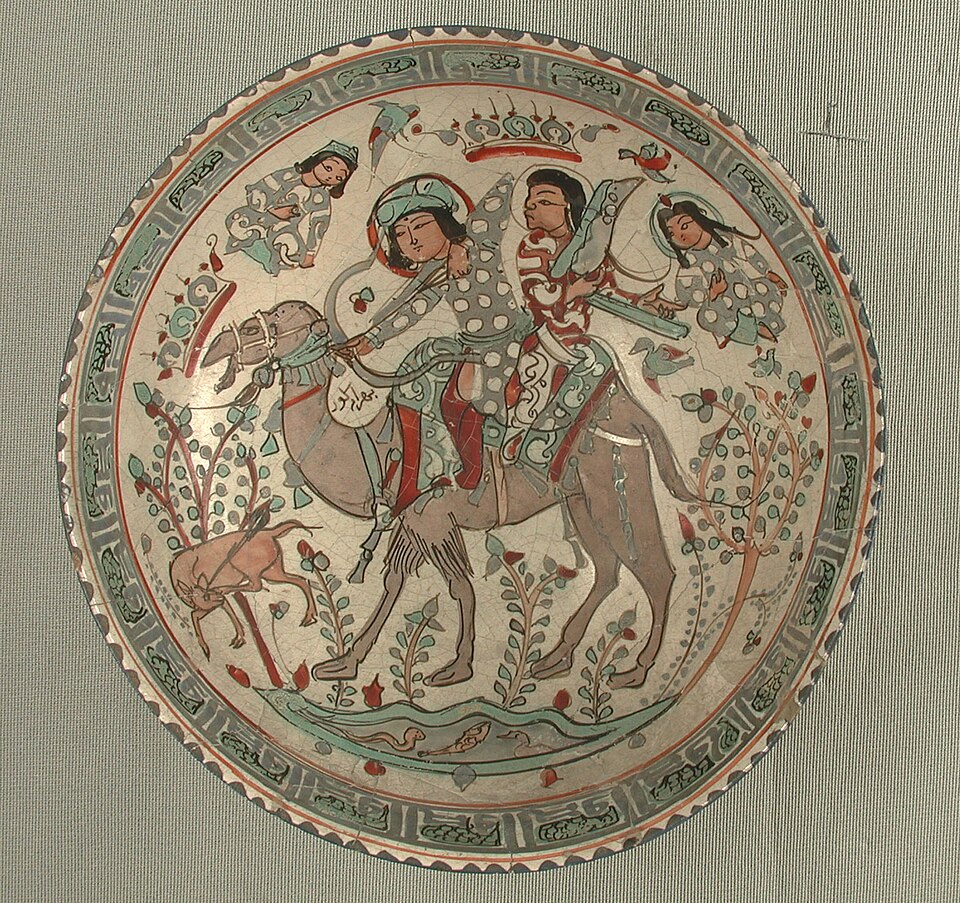
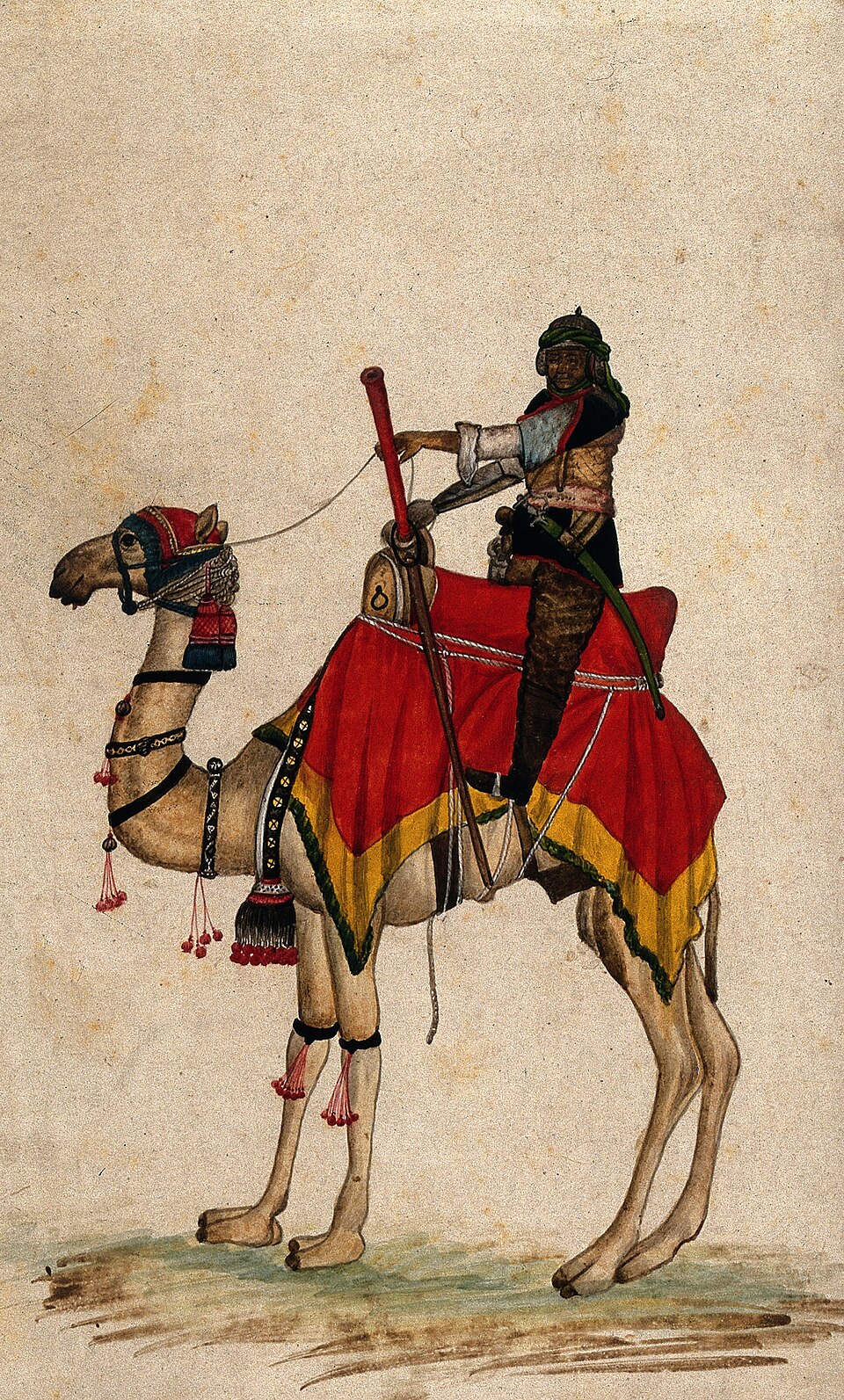
Zang (Persian: زنگ) means bell in Persian, for both large bells and small. The term has historically been applied to a number of ringing metal musical instruments, including large bells with clappers worn by elephants, smaller 3-9 inch bells worn on camels, horses, donkeys and cattle, 2-3 inch sheep bells, and tiny bells tied to the legs of hawks. It also applies to clusters of small bells worn by musicians and dancers, sewn onto cloth bracelets and anklets, or laced on a long string to be wrapped around the waist or hung as a necklace.
Additionally, the name in many forms has been applied to cymbals, especially small finger cymbals (Persian: sanj angshati سنج انگشتی) used by dancers, known worldwide today as zills, but also to some larger cymbals including the Iranian sanj or Iraqi zanj.
That cymbals and bells have been differentiated in Persian can be seen in the Shahnameh which refers to both instruments together:
His elephant-attendants' crowns of gold,
Their golden girdles and their golden torques,
Their golden Sanj (cymbals) and their golden Zang (bells)...
--Ferdowsky, Shahnameh, text number 7.
Camel Bell is one of the 3D puzzles in World Artifacts: turn a cloud of broken pieces until it lines up. For iPhone, iPad, Apple Vision Pro and Android.

