World Artifacts › Atlas › São Tomé and Principe
Roça Plantation House
The plantation house.
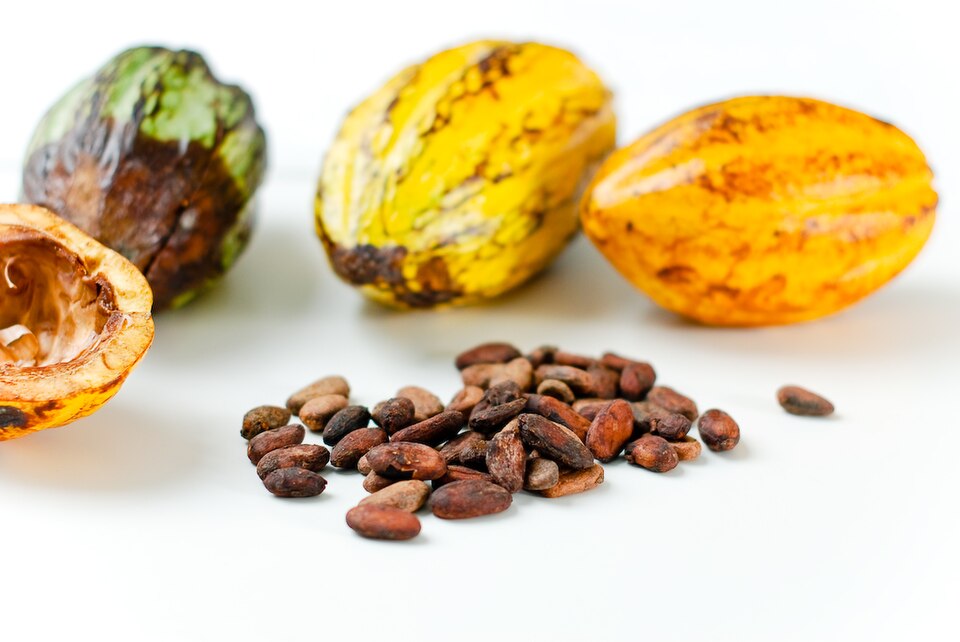
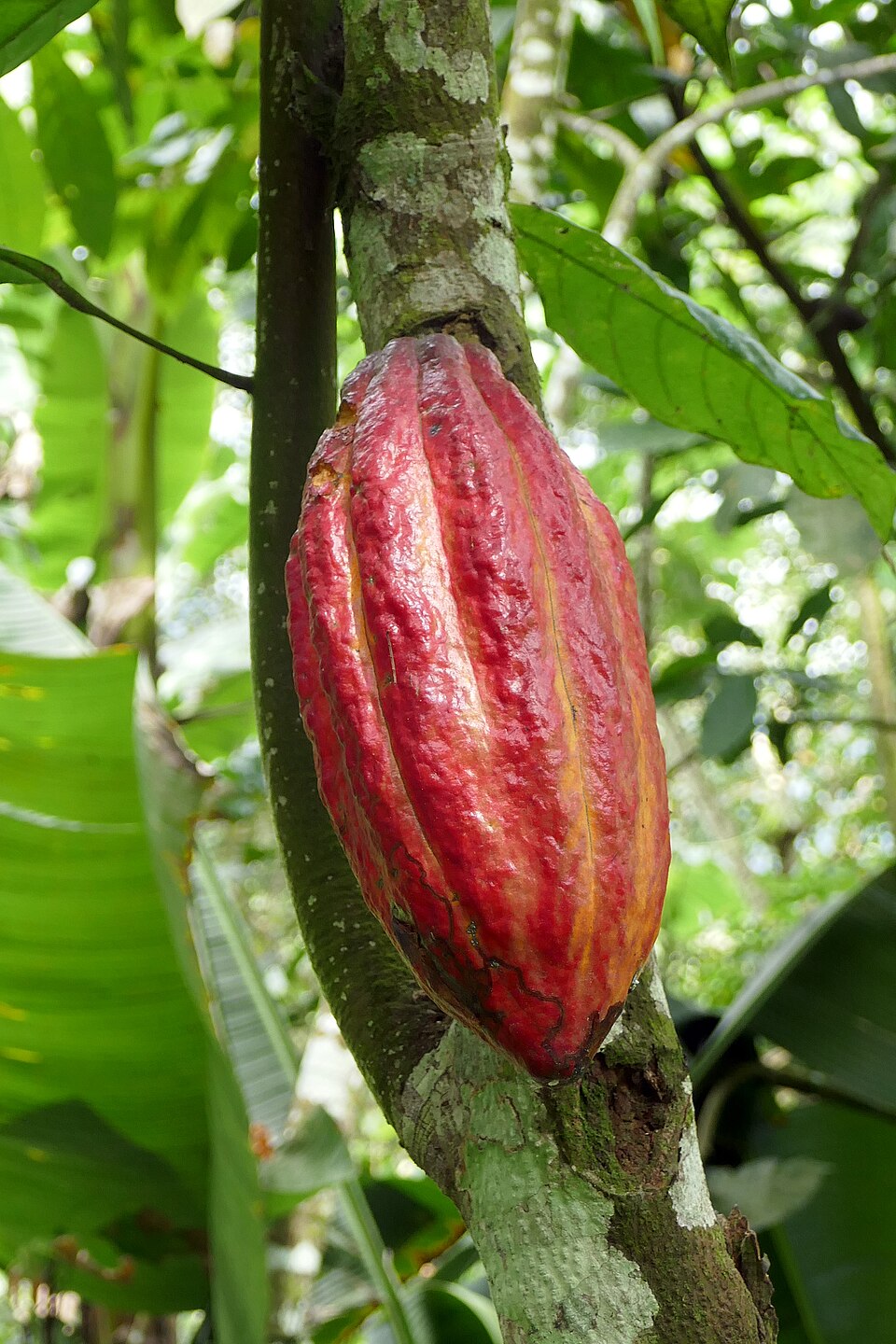
Cocoa is the primary cash crop of the African island country of São Tomé and Príncipe, accounting for 54% of its exports in 2021. The cocoa tree (Theobroma cacao) was introduced to the islands in 1819, when they were a Portuguese colony, and the first tree to fully grow was on Príncipe in 1824. São Tomé and Príncipe's equatorial climate provides an ideal environment for the growth of cocoa.
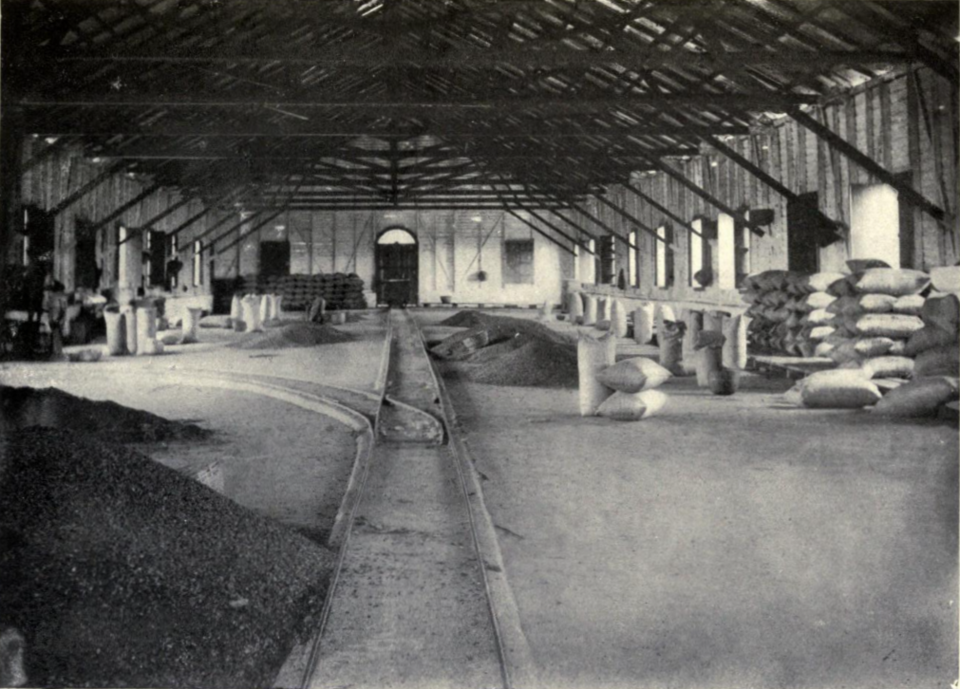
Historically, the volume of cocoa produced, and consequently the health of the São Toméan economy, has revolved around the global demand for chocolate. European demand for chocolate rose in the 19th century, when the Industrial Revolution transformed chocolate from an expensive and bitter drink to an affordable confectionery. At the same time, Portugal's loss of Brazil, a major source of agricultural exports including cocoa, prompted the Portuguese to shift their cocoa production to São Tomé and Príncipe. From 1905 to 1911, São Tomé and Príncipe produced and exported more cocoa than anywhere else in the world, earning it the nickname "the Chocolate Islands". However, the revelation of poor labour conditions on the islands by British journalists led to boycotts of São Toméan cocoa by European chocolate manufacturers, notably including Cadbury. Pests and government attempts to diversify the economy further diminished the cocoa supply throughout the 20th century.
Further reading
- Chocolate islands · Catherine Higgs (2012)Covers the cocoa plantations of São Tomé and Principe, with forced labor, slavery, and the Cadbury Brothers' involvement.Find a copy: AbeBooks · Amazon · WorldCat
- A modern slavery · Henry Woodd Nevinson (1906)A 1906 travel account of slavery in the cocoa-growing colonies.Find a copy: AbeBooks · Amazon · WorldCat
Roça Plantation House is one of the 3D puzzles in World Artifacts: turn a cloud of broken pieces until it lines up. For iPhone, iPad, Apple Vision Pro and Android.

