World Artifacts › Atlas › El Salvador
Joya de Cerén
The buried village.
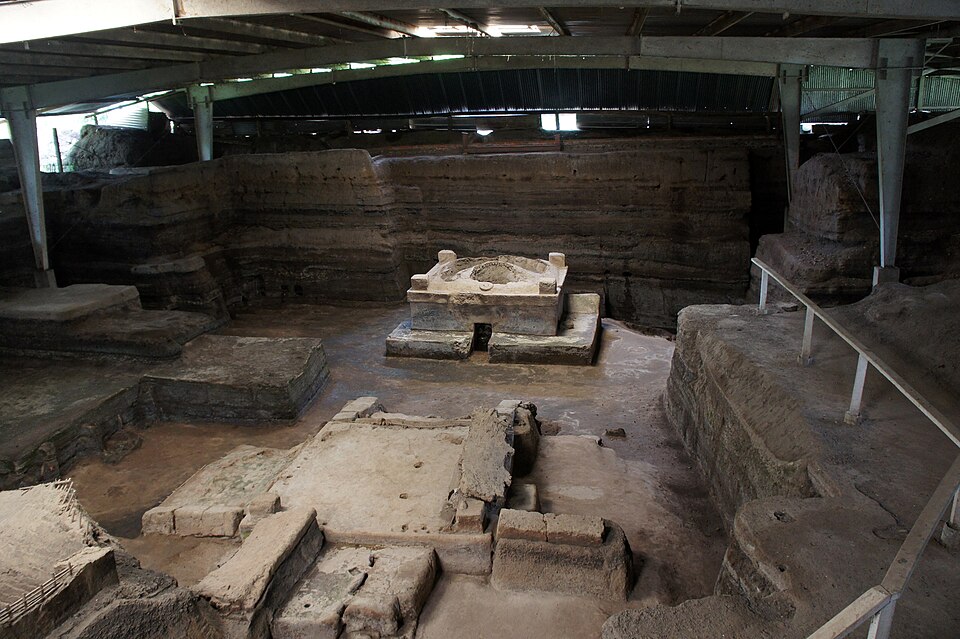
Joya de Cerén (Jewel of Cerén in Spanish) is an archaeological site in La Libertad Department, El Salvador, containing the remains of a pre-Columbian Maya farming village. The site is located in the Zapotitán Valley, approximately 36 km (22 mi) northwest of San Salvador. It is often called the "Pompeii of the Americas", for its similar preservation beneath volcanic ash.
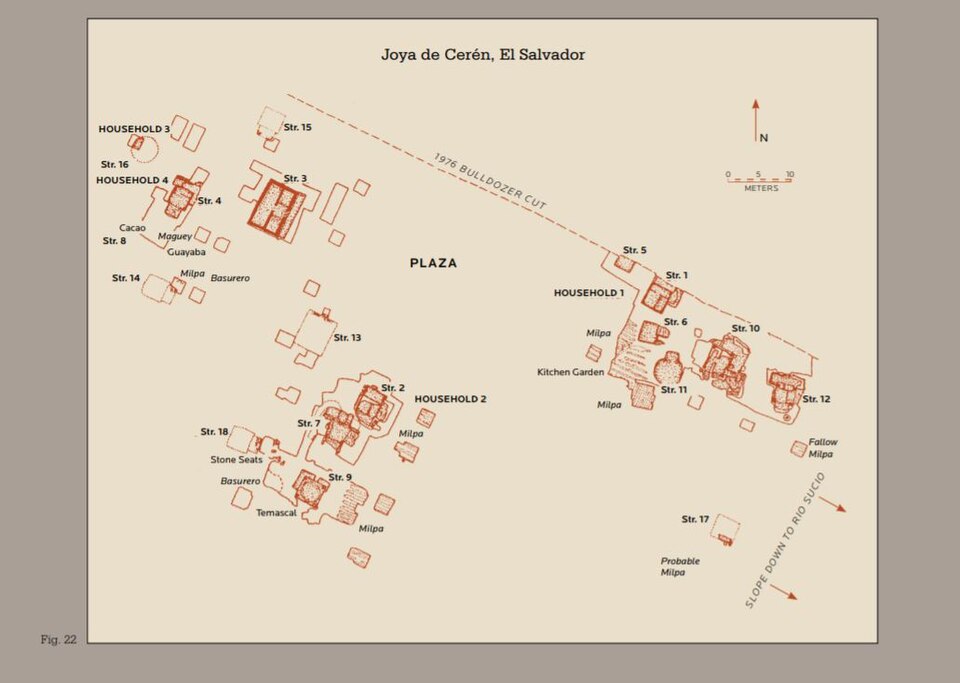
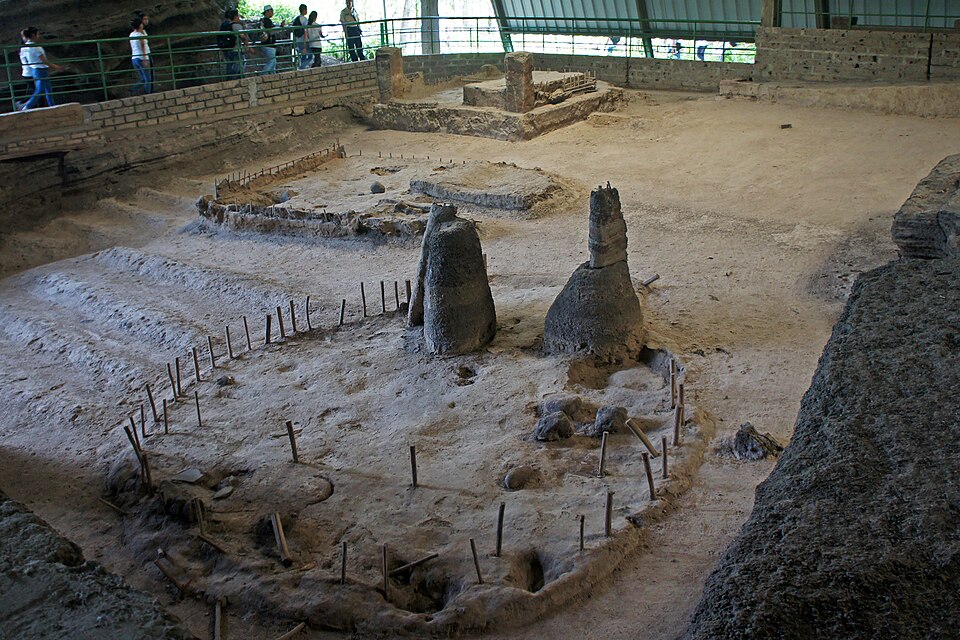
This site is notable for the exceptional preservation of a Classic period settlement, which was rapidly buried by ash from an eruption of the Loma Caldera around AD 600. The abundance of paleoethnobotanical remains has provided important insights into the daily life of ancient Maya agricultural communities. Among the most significant discoveries is a manioc field, the earliest known evidence of manioc cultivation at an archeological site in the New World. The site is thought to have been occupied between AD 200 and AD 600. Joya de Cerén was inscribed on the UNESCO World Heritage List in 1993 in recognition of its archeological significance and is a major tourist attraction in El Salvador.
Further reading
- Before the Volcano Erupted · Payson D. Sheets (2002)Covers the Ceren village buried by volcanic ash, drawing on its urban residence, plant and animal remains, and Maya archaeology.Find a copy: AbeBooks · Amazon · WorldCat
- The Ceren Site · Payson D. Sheets (1992)Archaeological study of the Ceren site in El Salvador, covering its excavation and ethnoarchaeology of the Maya.Find a copy: AbeBooks · Amazon · WorldCat
Joya de Cerén is one of the 3D puzzles in World Artifacts: turn a cloud of broken pieces until it lines up. For iPhone, iPad, Apple Vision Pro and Android.

