World Artifacts › Atlas › Syria
Bosra Theatre
The black basalt theatre.
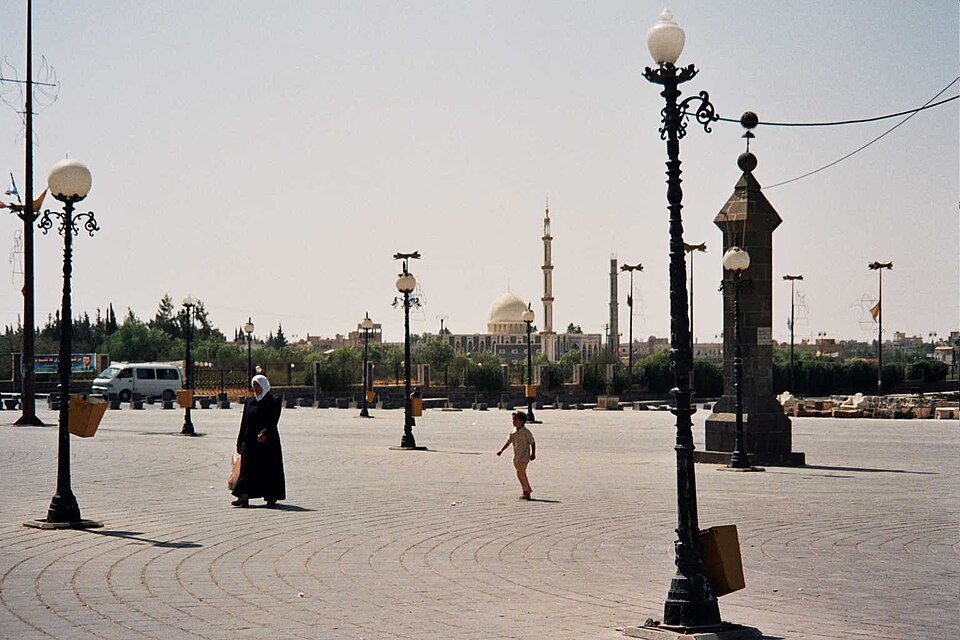
Bosra (Arabic: بُصْرَىٰ, romanized: Buṣrā), historically Bostra (Greek: Βόστρα) and officially called Busra al-Sham (Arabic: بُصْرَىٰ ٱلشَّام, romanized: Buṣrā al-Shām), is a town in southern Syria, administratively belonging to the Daraa District of the Daraa Governorate and geographically part of the Hauran region.
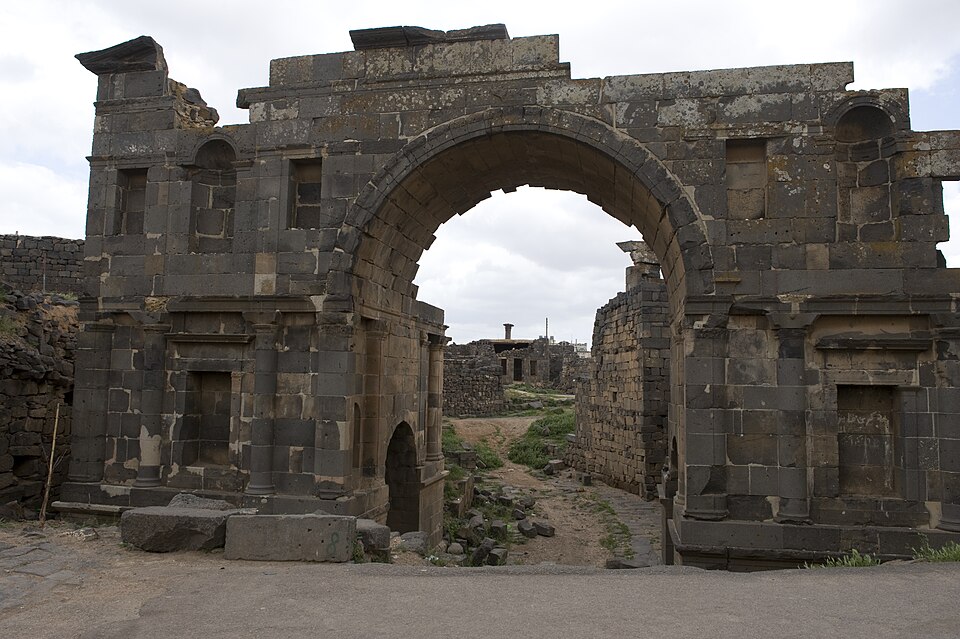
Bosra is an ancient city mentioned in 14th century BC Egyptian sources. It was established as the northern capital of the Nabataean kingdom, and later became the prosperous provincial capital of the Roman province of Arabia Petraea following the dissolution of the Nabatean kingdom. With the advent of Christianity Bostra flourished as a Metropolitan Archbishopric under the jurisdiction of Eastern Orthodox Patriarchate of Antioch and All the East. It also became a Latin Catholic titular see and the episcopal see of a Melkite Catholic Archeparchy.
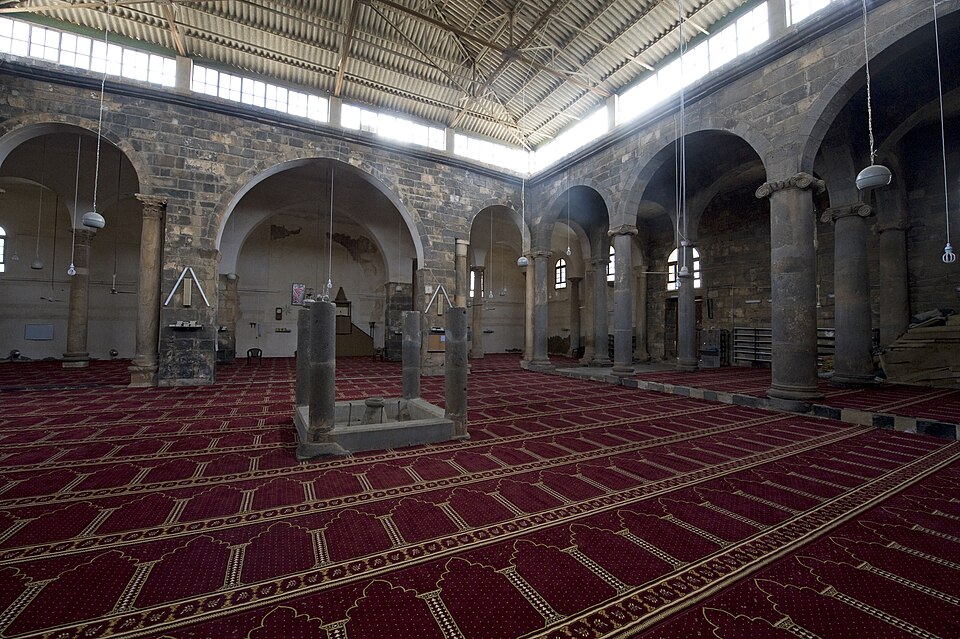
Throughout its history under various Muslim rulers the city maintained its strategic importance as Syria's southern gateway. It attracted attention from Damascus' rulers and was governed by various lords, serving as a hub for Islamic learning and endowments. However it declined into a village during the Ottoman era, only to be revitalized in the 20th century with the construction of the Hijaz railway and growing archaeological interest, later prompting tourism-focused development by the Syrian government. Today it is a major archaeological site and has been declared by UNESCO as a World Heritage Site.
Bosra Theatre is one of the 3D puzzles in World Artifacts: turn a cloud of broken pieces until it lines up. For iPhone, iPad, Apple Vision Pro and Android.

