World Artifacts › Atlas › Syria
Palmyra Arch
The monumental arch.
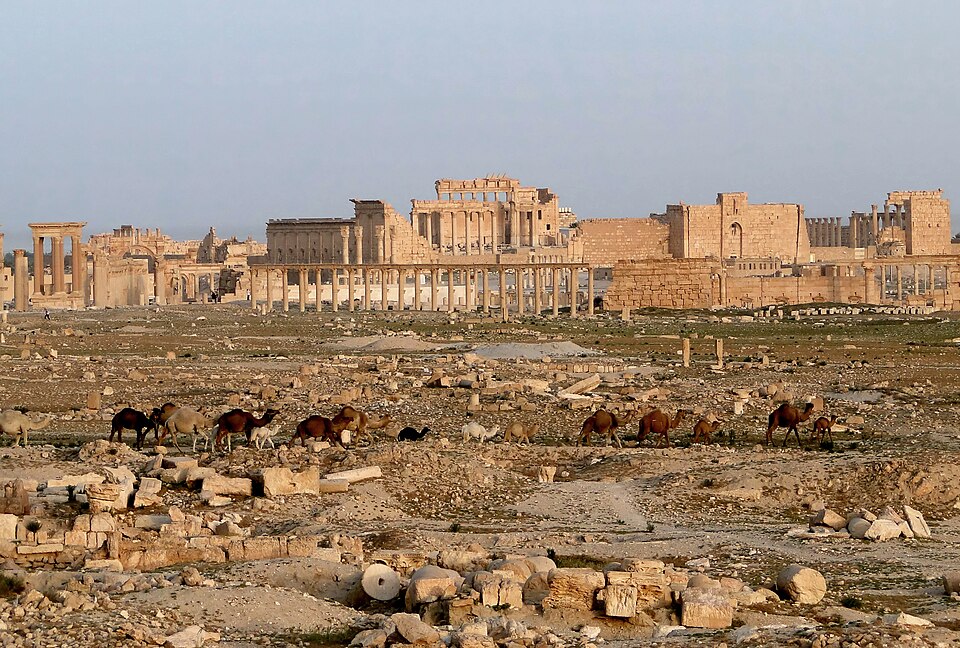
Palmyra is an ancient city in central Syria. It is located in the eastern part of the Levant, and archaeological finds date back to the Neolithic period, and documents first mention the city in the early second millennium BC. Palmyra changed hands on a number of occasions between different empires before becoming a subject of the Roman Empire in the first century AD.
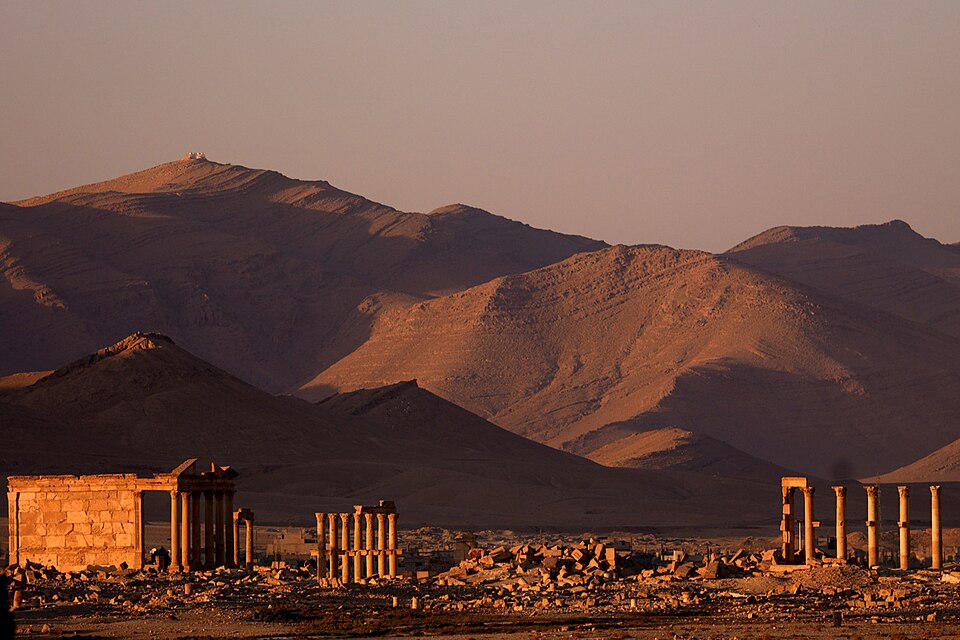
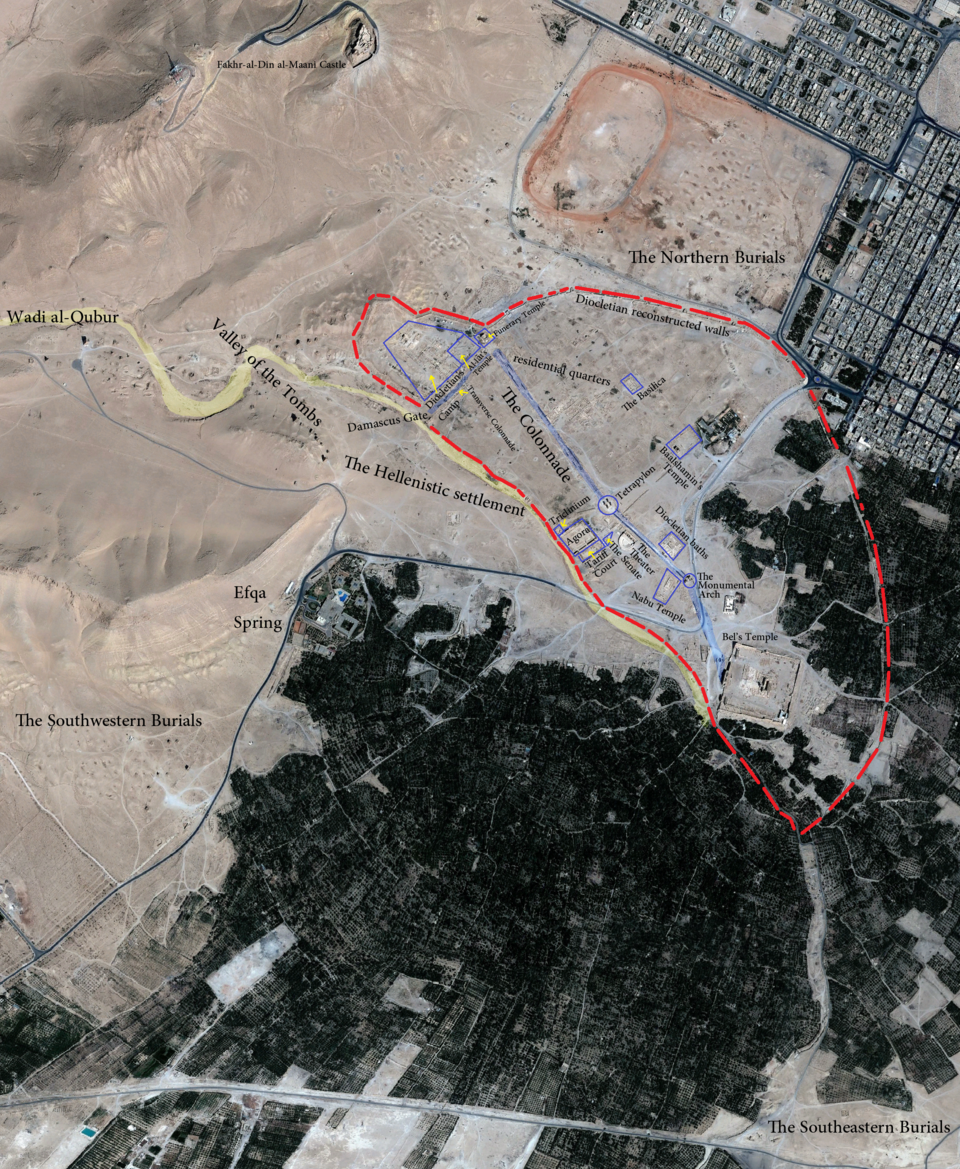
The city grew wealthy from trade caravans; the Palmyrenes became renowned as merchants who established colonies along the Silk Road and operated throughout the Roman Empire. Palmyra's wealth enabled the construction of monumental projects, such as the Great Colonnade, the Temple of Bel, and the distinctive tower tombs. Ethnically, the Palmyrenes combined elements of Amorites, Arameans, and Arabs. Socially structured around kinship and clans, Palmyra's inhabitants spoke Palmyrene Aramaic, a variety of Western Middle Aramaic, while using Koine Greek for commercial and diplomatic purposes. The Hellenistic period of West Asia influenced the culture of Palmyra, which produced distinctive art and architecture that combined different Mediterranean traditions. The city's inhabitants worshiped local Semitic, Mesopotamian, and Arab deities.
Further reading
Palmyra Arch is one of the 3D puzzles in World Artifacts: turn a cloud of broken pieces until it lines up. For iPhone, iPad, Apple Vision Pro and Android.

