World Artifacts › Atlas › Syria
Saladin Statue
The sultan on horseback.
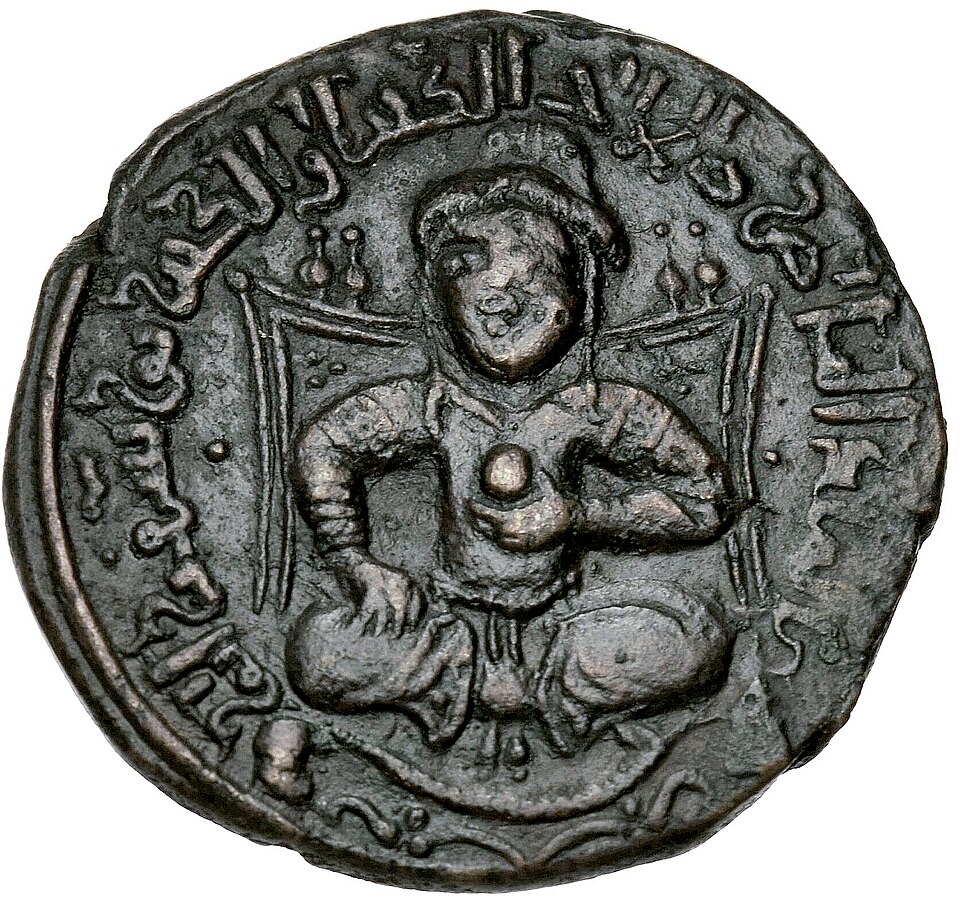
Salah ad-Din Yusuf ibn Ayyub (c. 1137 - 4 March 1193), commonly known as Saladin, was the founder of the Ayyubid dynasty and the first sultan of both Egypt and Syria. A Sunni Muslim ruler of Kurdish origin, Saladin was an important figure of the Third Crusade and spearheaded the Muslim military effort against the Crusader states in the Levant. At the height of his power, the Ayyubid realm spanned Egypt, Syria, Upper Mesopotamia, the Hejaz, Yemen, and Nubia.
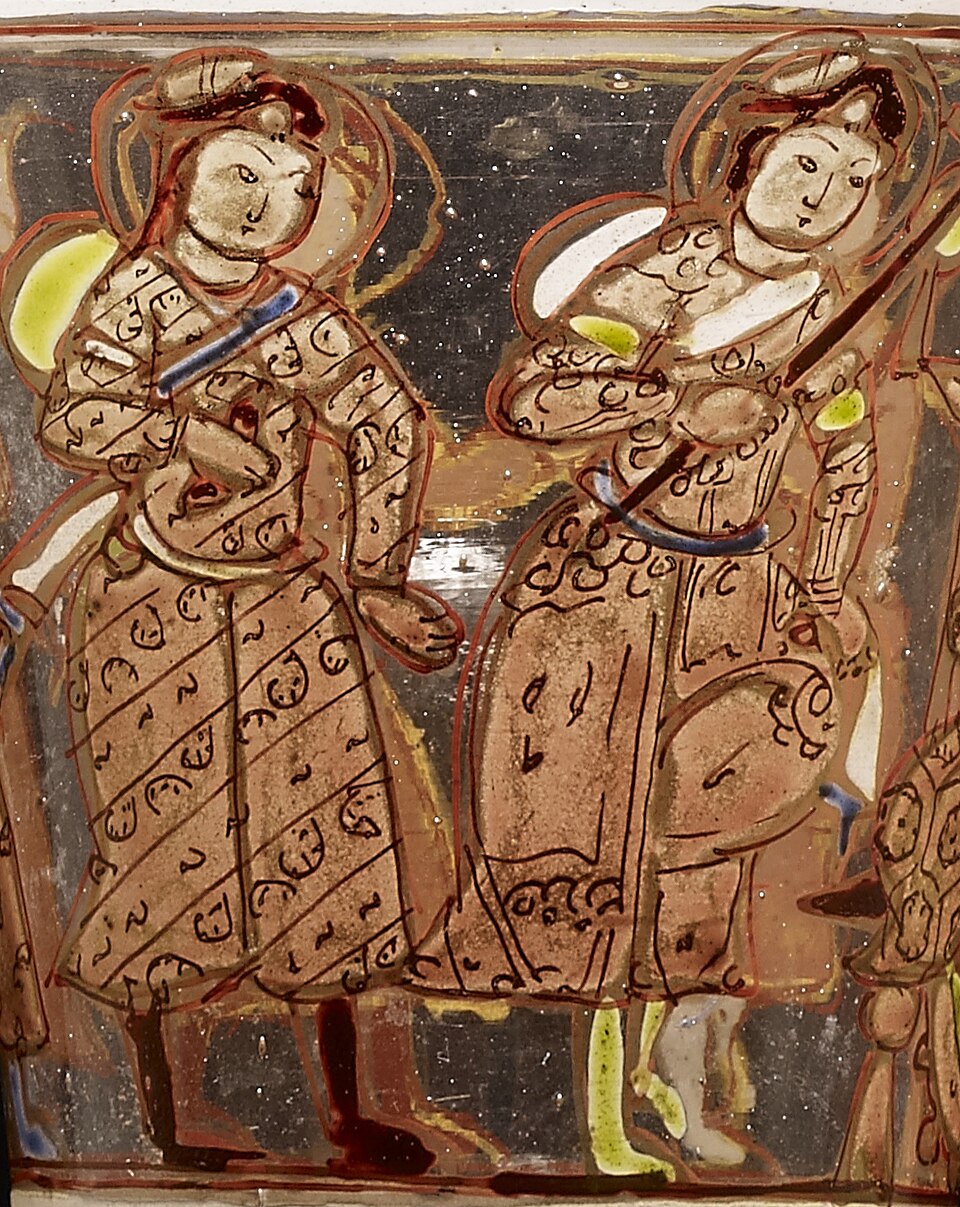
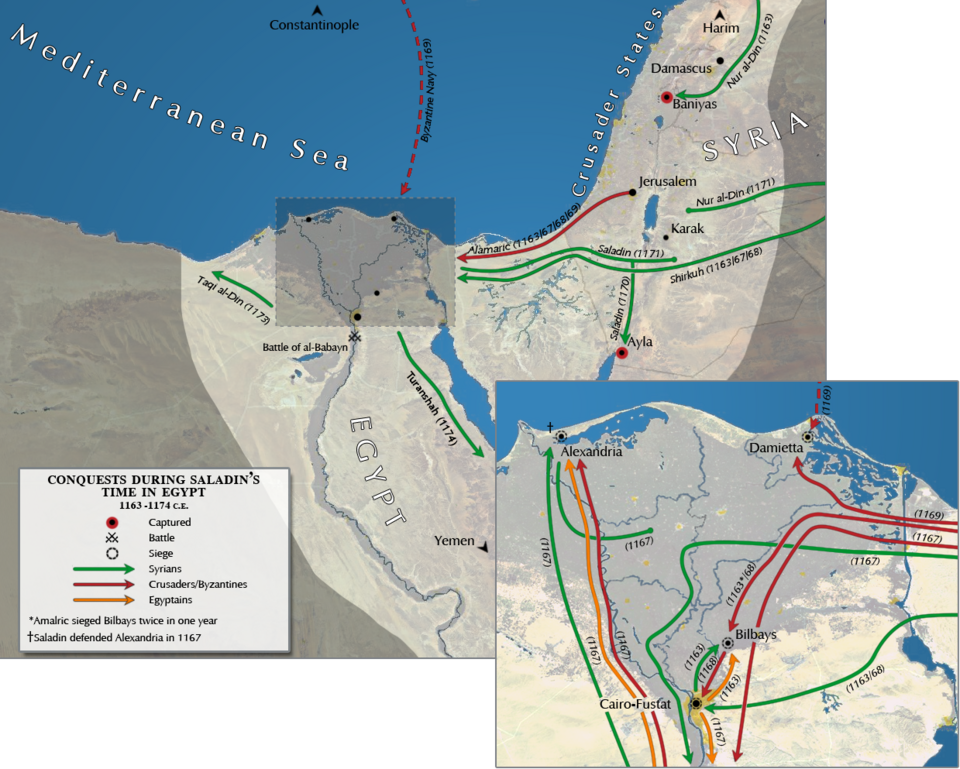
Saladin was sent to Fatimid Egypt in 1164, alongside his uncle Shirkuh, a Kurdish mercenary commander in service of the Zengid dynasty, on the orders of Nur al-Din Zengi. With their original purpose being to help restore Shawar as the vizier to the teenage Fatimid caliph al-Adid, a power struggle ensued between Shirkuh and Shawar after the latter was reinstated. Saladin, meanwhile, climbed the ranks of the Fatimid government by virtue of his military successes against Crusader assaults and his personal closeness to al-Adid. After Shawar was assassinated and Shirkuh died in 1169, al-Adid appointed Saladin as vizier. During his tenure, Saladin, a Sunni Muslim, began to undermine the Fatimid establishment; following al-Adid's death in 1171, he abolished the Cairo-based Fatimid Caliphate which was an Isma'ili (a branch within Shi'a Islam) dynasty, and realigned Egypt with the Baghdad-based Sunni Abbasid Caliphate.
Further reading
- Saladin · Anne-Marie Eddé (2008)A biography of Saladin, sultan of Egypt and Syria, covering his rule and the Third Crusade.Find a copy: AbeBooks · Amazon · WorldCat
- Saladin · Stanley Lane-Poole (1898)A biography of Saladin and the Latin Kingdom of Jerusalem during the Crusades.Find a copy: AbeBooks · Amazon · WorldCat
Saladin Statue is one of the 3D puzzles in World Artifacts: turn a cloud of broken pieces until it lines up. For iPhone, iPad, Apple Vision Pro and Android.

