World Artifacts › Atlas › eSwatini
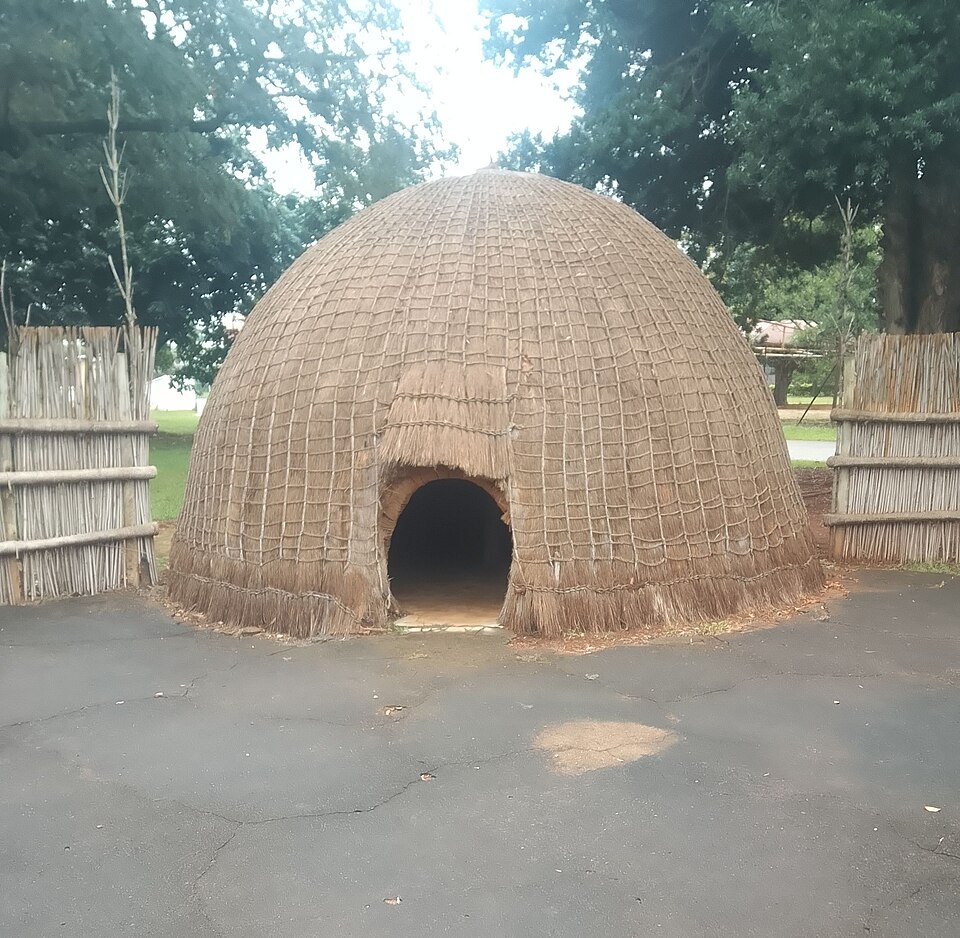
Beehive Hut
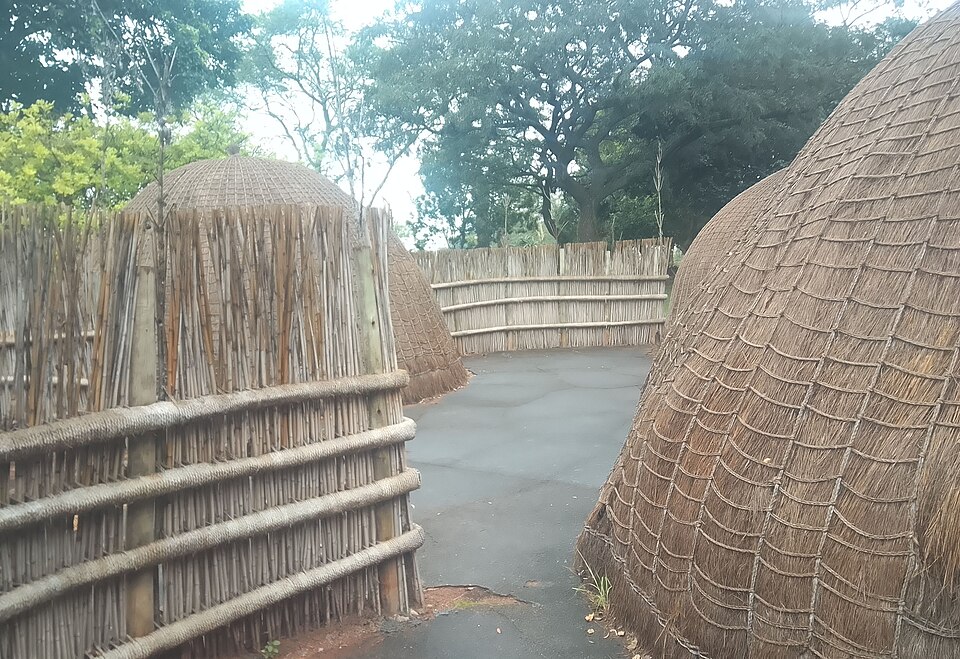
The grass beehive hut.
The Swazi or Swati (Swazi: Emaswati, singular Liswati) are a Bantu ethnic group native to Southern Africa, inhabiting Eswatini, a sovereign kingdom in Southern Africa, and South Africa's Mpumalanga province. EmaSwati are part of the Nguni-language speaking peoples whose origins can be traced through archaeology to East Africa where similar traditions, beliefs and cultural practices are found.
The Swati people and the Kingdom of Eswatini today are named after Mswati II, who became king in 1839 after the death of his father King Sobhuza. Eswatini was a region first occupied by the San people and the current Swazis migrated from north East Africa through to Mozambique and eventually settled in Eswatini in the 15th century. Their royal lineage can be traced to a chief named Dlamini I; this is still the royal clan name. About three-quarters of the clan groups are Nguni; the remainder are Sotho, Tsonga, others North East African and San descendants. These groups have intermarried freely. Swazi identity extends to all those with allegiance to the twin monarchs Ingwenyama "the Lion" (the king) and Indlovukati "the She-Elephant" (the queen mother). The dominant Swati language and culture are factors that unify Swatis as a nation.

Beehive Hut is one of the 3D puzzles in World Artifacts: turn a cloud of broken pieces until it lines up. For iPhone, iPad, Apple Vision Pro and Android.

