World Artifacts › Atlas › Thailand
Ban Chiang Pot
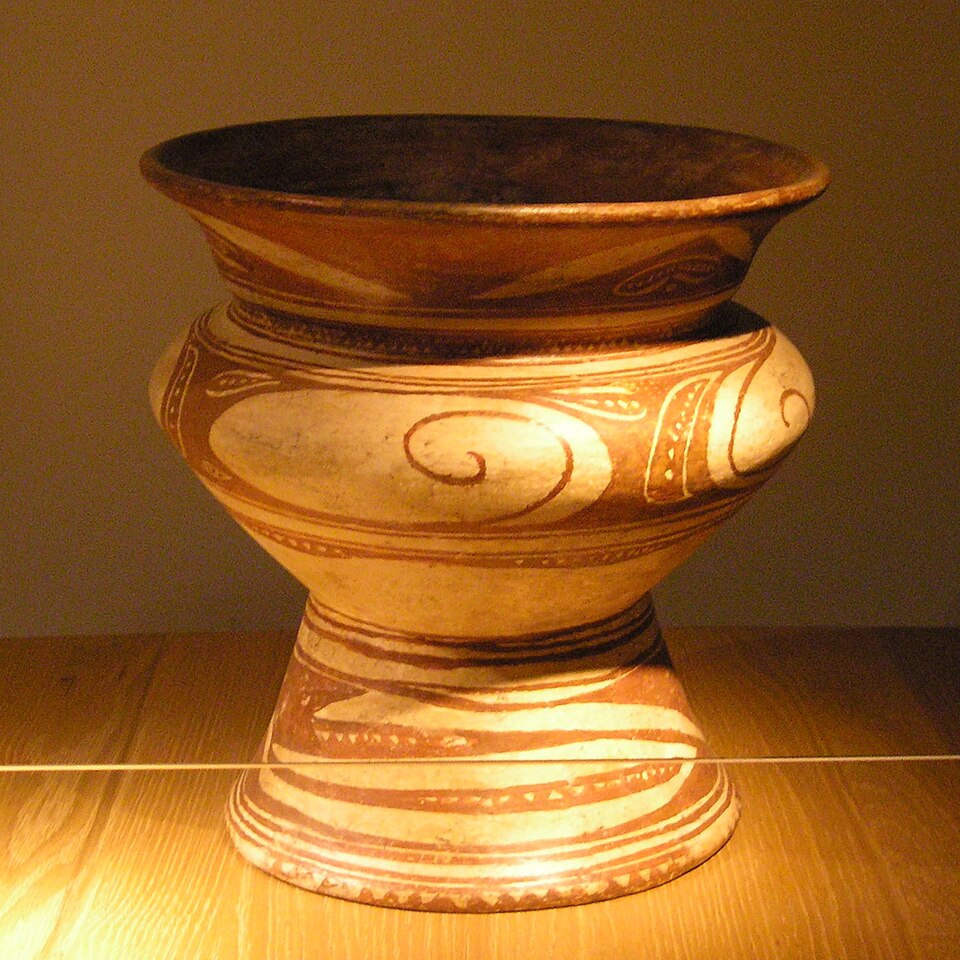
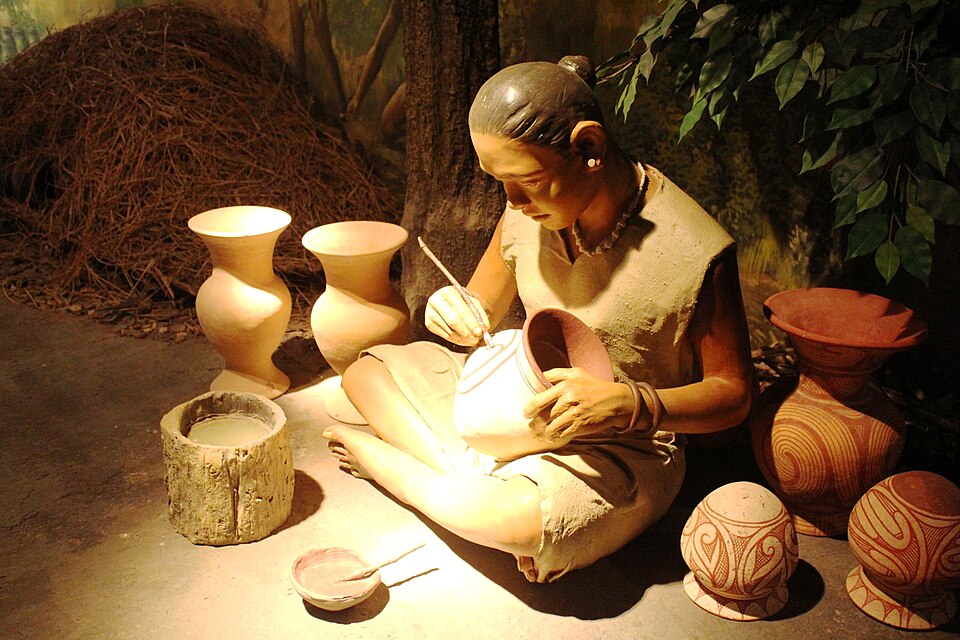
The painted pots from Ban Chiang are three or four thousand years old and were dug up by villagers before archaeologists arrived, so a great many were sold off before anyone recorded where they came from.
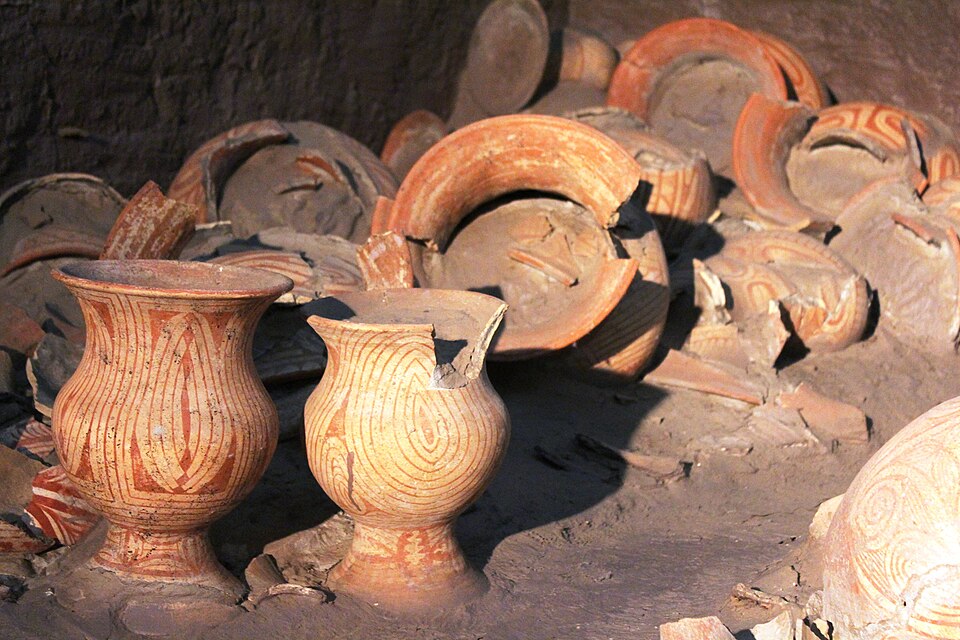
Ban Chiang (Thai: บ้านเชียง, pronounced [bâːn tɕʰīaŋ] ; Northeastern Thai: บ้านเซียง, pronounced [bâːn sîaŋ]) is an archaeological site in Nong Han district, Udon Thani province, Thailand. It has been a UNESCO World Heritage Site since 1992. Discovered in 1966, the site first attracted interest due to its ancient red-painted pottery. Furthermore, Ban Chiang is a significant site known for its archaeological evidence of early agriculture and its strong influence of culture depicted through artwork specifically seen in the red-painted pottery. Ban Chiang’s long history of site history and metal craftsmanship shows the biological and cultural changes over time and their influences on the community. More recently, it gained international attention in 2008 when the United States Department of Justice, following an undercover investigation begun in 2003, raided several museums for their role in trafficking in Ban Chiang antiquities.
Further reading
- Ban Chiang · Joyce C. White (1982)A book on Ban Chiang, covering its Bronze Age antiquities in Thailand.Find a copy: AbeBooks · Amazon · WorldCat
- A revision of the chronology of Ban Chiang and its implications for the prehistory of Northeast Thailand · Joyce C. White (1986)Revises the chronology of Ban Chiang and its implications for Northeast Thailand's prehistory.Find a copy: AbeBooks · Amazon · WorldCat
Ban Chiang Pot is one of the 3D puzzles in World Artifacts: turn a cloud of broken pieces until it lines up. For iPhone, iPad, Apple Vision Pro and Android.

