World Artifacts › Atlas › Thailand
Betta Fish
The betta was bred in Thailand for fighting, not for looks, and the matches were licensed and taxed by the king in the 1800s. It gulps air at the surface through an organ that works like a lung, which is why it survives in a puddle.
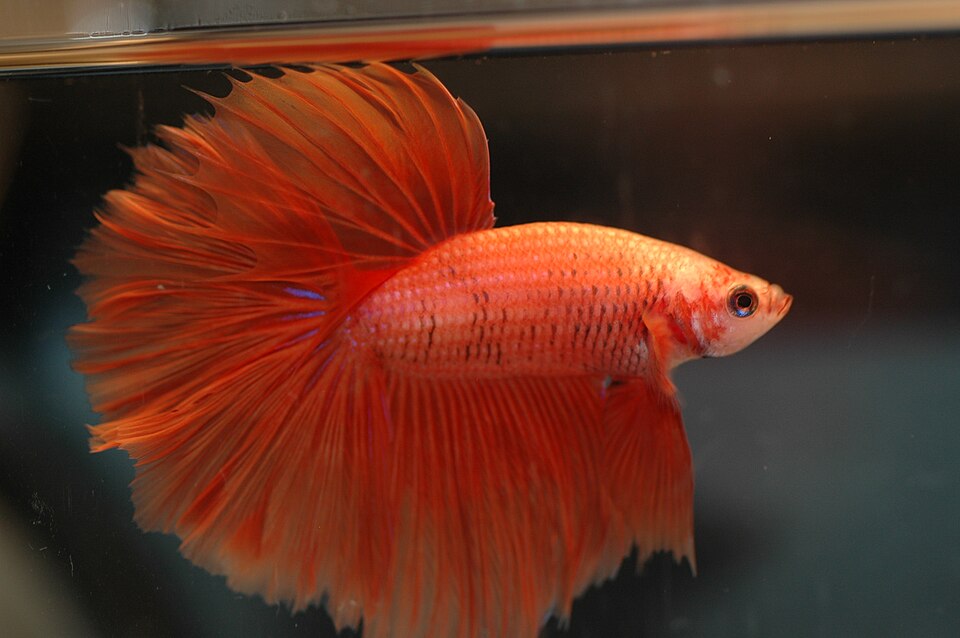
The Siamese fighting fish (Betta splendens), commonly known as the Siamese fighter, or locally as the betta, is a freshwater fish native to Mainland Southeast Asia, namely Cambodia, Laos, Myanmar, Malaysia, Thailand, and Vietnam. It is one of more than 70 species of the genus Betta, but the only one eponymously called "betta", owing to its global popularity as a pet; Betta splendens are among the most popular aquarium fish in the world, due to their diverse and colorful morphology and relatively low maintenance.
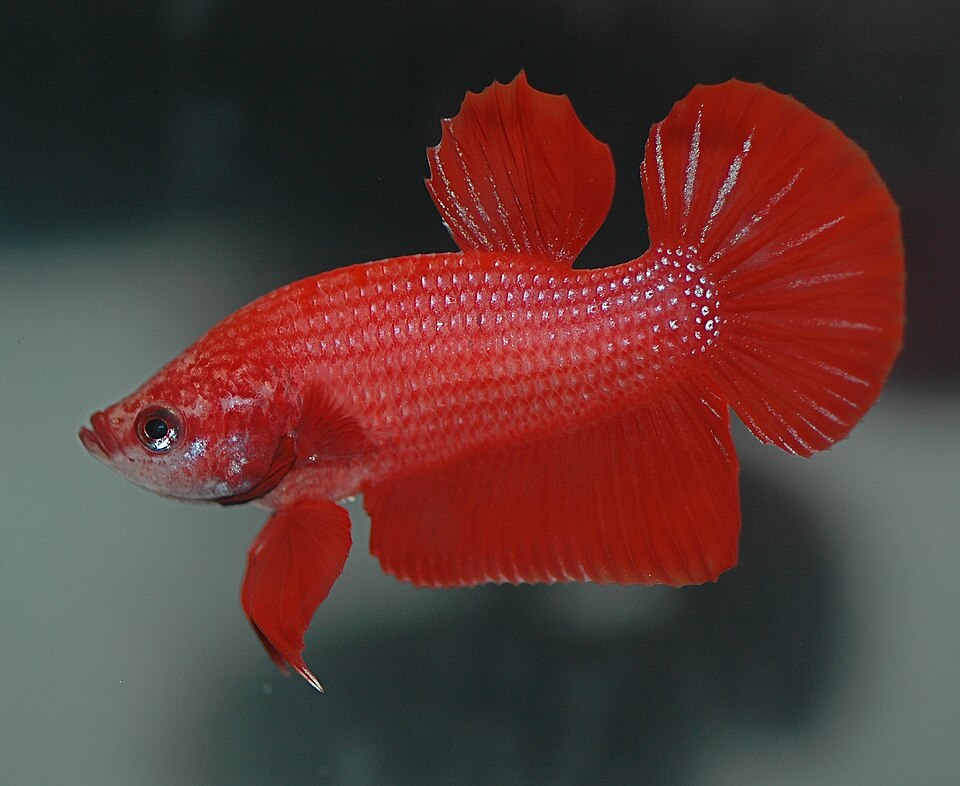
Betta fish are endemic to the central plain of Thailand, where they were first domesticated more than 1,000 years ago, among the earliest of any fish. They were initially bred for aggression and subject to gambling matches akin to cockfighting. Bettas became known outside Thailand through King Rama III (1788-1851), who is said to have given some to Theodore Cantor, a Danish physician, zoologist, and botanist. They first appeared in the West in the late 19th century, and within decades became popular as ornamental fish. B. splendens's long history of selective breeding has produced a wide variety of coloration and finnage, earning it the moniker "designer fish of the aquatic world".

Further reading
Betta Fish is one of the 3D puzzles in World Artifacts: turn a cloud of broken pieces until it lines up. For iPhone, iPad, Apple Vision Pro and Android.

