World Artifacts › Atlas › Tajikistan
Ismoil Somoni
The statue under the golden arch.
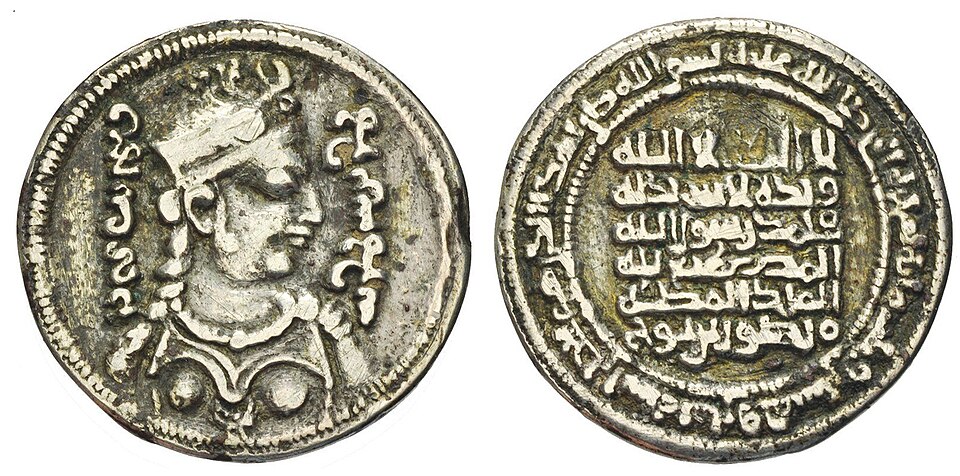
The Samanid Empire (Persian: سامانیان, romanized: Sāmāniyān) was a Persianate Sunni Muslim empire, ruled by a dynasty of Iranian dehqan origin, from 819 to 999. The empire was centred in Khorasan and Transoxiana, and at its greatest extent included northeastern Iran and Central Asia.
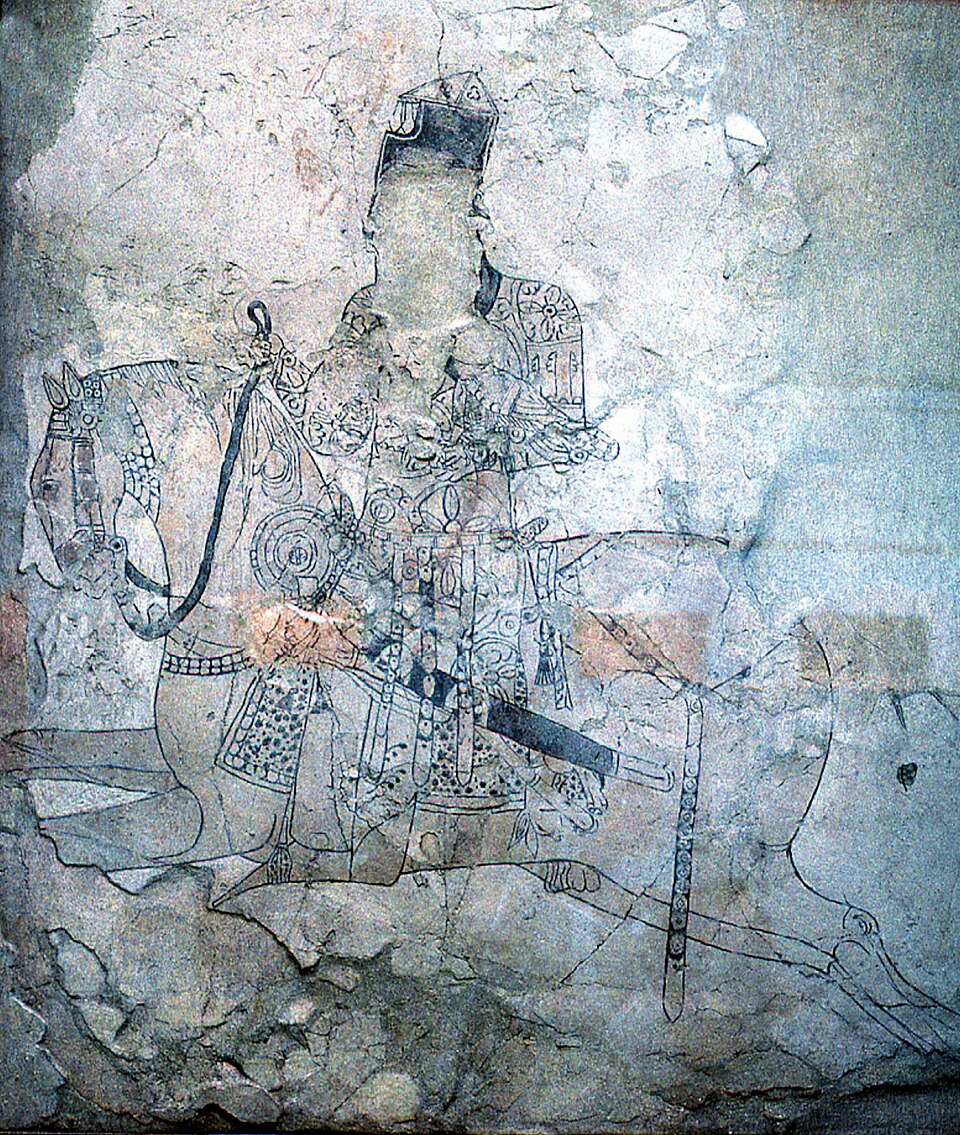
The Samanid dynasty originated with four brothers: Nuh, Ahmad, Yahya, and Ilyas, who were made governors of territories under Abbasid suzerainty in 819. In 892, Ismail Samani, son of Ahmad, united the Samanids under his rule. It was also under him that the Samanids became effectively independent of the Abbasids. However, by 945, the government had fallen under the de facto control of the Turkic military slave faction, and the Samanid family's authority had become purely symbolic.
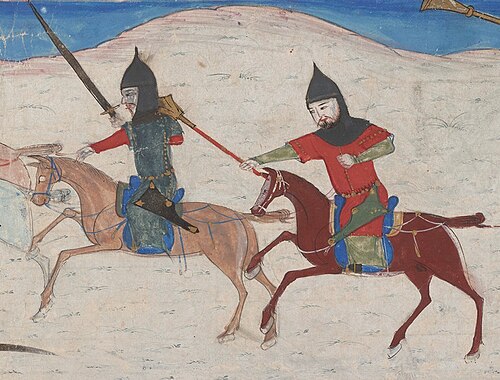
The Samanid Empire is part of the Iranian Intermezzo, which saw the creation of a Persianate culture and identity that brought Iranian speech and traditions into the fold of the Islamic world. This later contributed to the formation of the Turco-Persian culture.
Further reading
- Bukhara · Richard N. Frye (1965)A study of Bukhara and its civilization, the city tied to the Samanid era.Find a copy: AbeBooks · Amazon · WorldCat
- Lost Enlightenment Central Asias Golden Age From The Arab Conquest To Tamerlane · S. Frederick Starr (2013)Covers Central Asia's golden age from the Arab conquest to Tamerlane.Find a copy: AbeBooks · Amazon · WorldCat
Ismoil Somoni is one of the 3D puzzles in World Artifacts: turn a cloud of broken pieces until it lines up. For iPhone, iPad, Apple Vision Pro and Android.

