World Artifacts › Atlas › Tajikistan
Rudaki
The blind poet with a book.
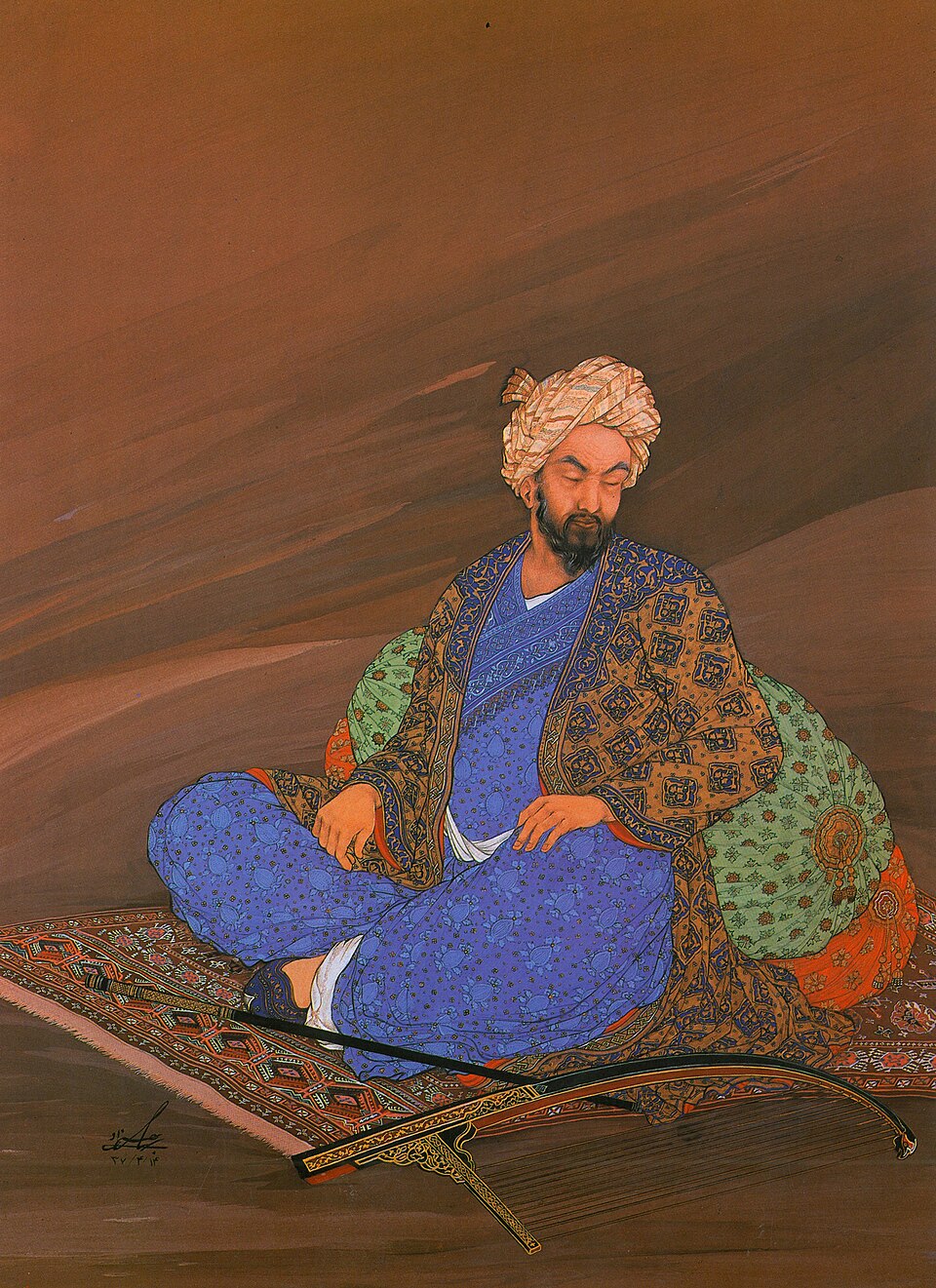
Rudaki (also spelled Rodaki; Persian: رودکی; c. 858 - 940/41) was a poet, singer, and musician who is regarded as the first major poet to write in New Persian. A court poet under the Samanids, he reportedly composed more than 180,000 verses, yet only a small portion of his work has survived, most notably parts of his versification of the Kalīla wa-Dimna, an Arabic translation of Panchatantra.
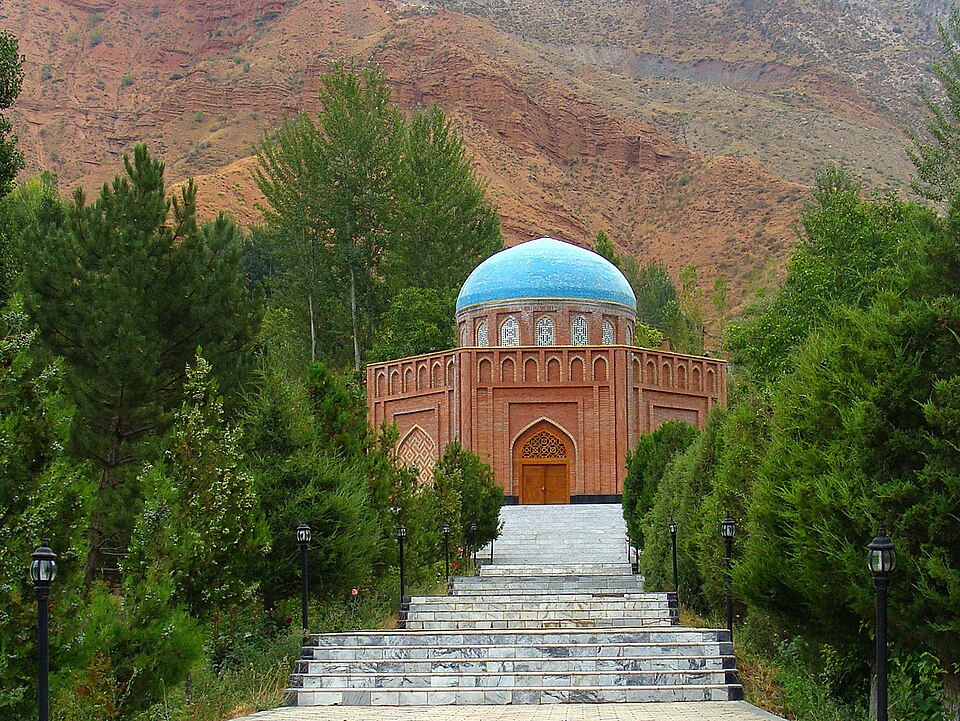
Born in the village of Panjrud near Samarqand, the most important part of Rudaki's career was spent at the court of the Samanids, in Bukhara. While biographical information connects him to the Samanid amir (ruler) Nasr II (r. 914-943), he may have already joined the court under the latter's predecessor, Ahmad Samani (r. 907-914).
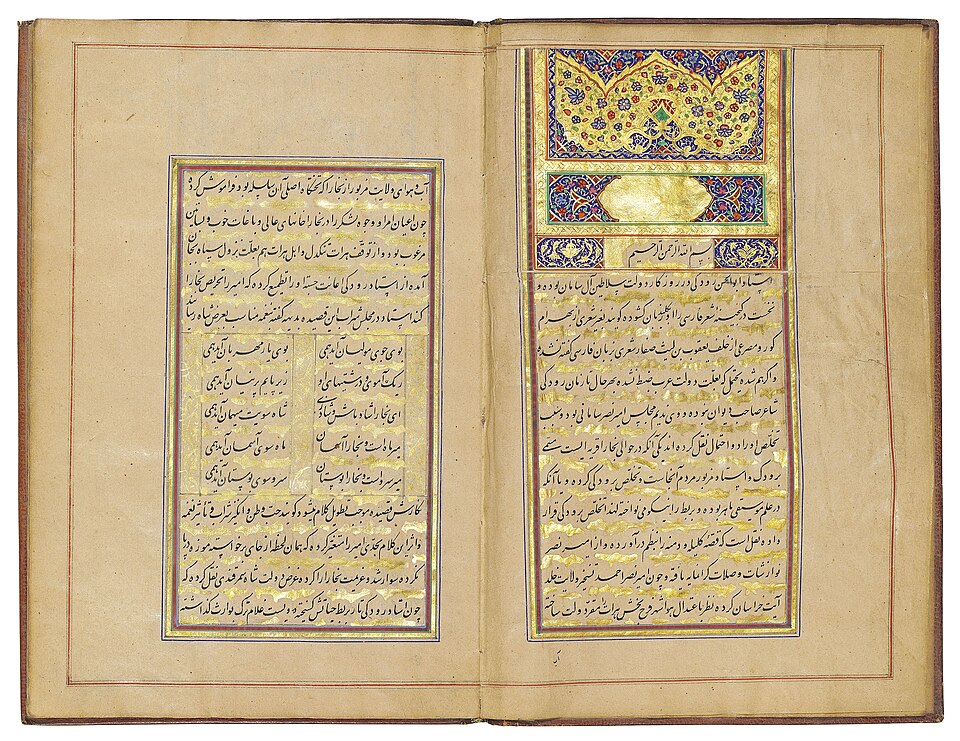
Rudaki's success was largely due to the support of his primary patron, the vizier Abu'l-Fadl al-Bal'ami (died 940), who played an important role in the blooming of New Persian literature in the 10th-century. Following the downfall of Bal'ami in 937, Rudaki's career deteriorated, eventually being dismissed from the court. He thereafter lived his last years in poverty, dying blind and alone in his hometown.
In Iran, Rudaki is acknowledged as the "founder of New Persian poetry" and in Tajikistan as the "father of Tajik literature".
Further reading
- History of Iranian literature · Jan Rypka (1968)A history of Iranian literature, with Persian and Tajik literature among its catalog subjects.Find a copy: AbeBooks · Amazon · WorldCat
- Lost Enlightenment Central Asias Golden Age From The Arab Conquest To Tamerlane · S. Frederick Starr (2013)Covers Central Asia's golden age from the Arab conquest to Tamerlane, a history of the region's civilization.Find a copy: AbeBooks · Amazon · WorldCat
Rudaki is one of the 3D puzzles in World Artifacts: turn a cloud of broken pieces until it lines up. For iPhone, iPad, Apple Vision Pro and Android.

