World Artifacts › Atlas › Timor-Leste
Uma Lulik
The sacred house on stilts with a tall roof.
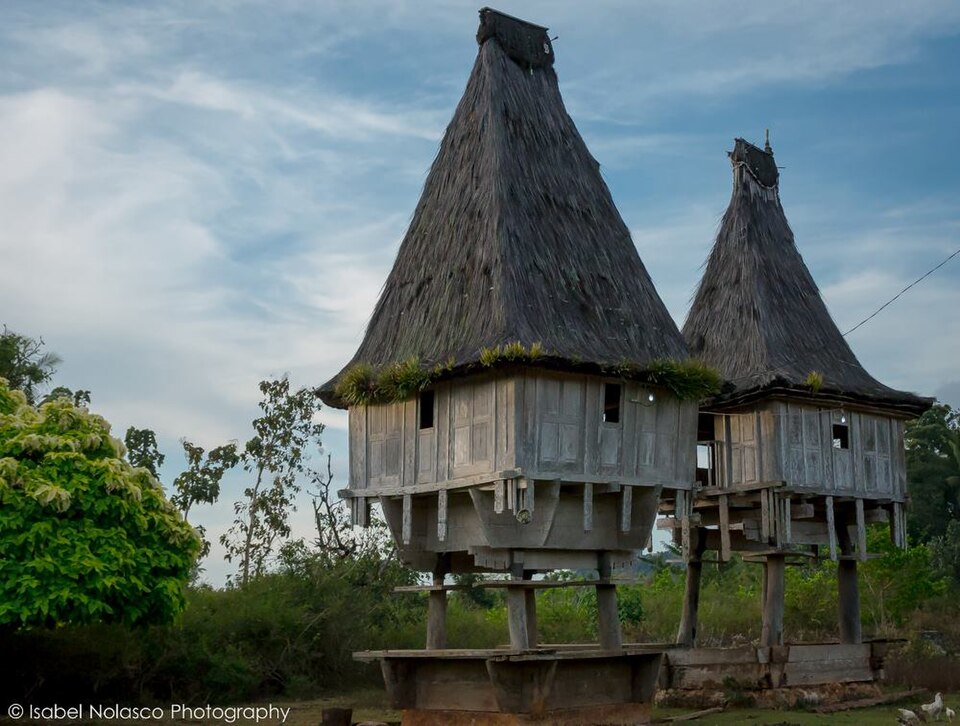
Uma Lulik (lit. 'Sacred house' in Tetum) are sacred totem houses or shrines in Timorese animistic tradition. They are present throughout East Timor and are considered a national symbol by official authorities. They are places of ancestor worship and where sacred items are kept, such as tais (sacred cloths), surik (ritual swords), masks and statues of ancestors, kaibauk (headdresses shaped like crescent moons or buffalo horns) or corncobs are kept. Their display is allowed only on certain circumstances, such as during harvest celebrations, when they are taken out by members for the clan they belong to.
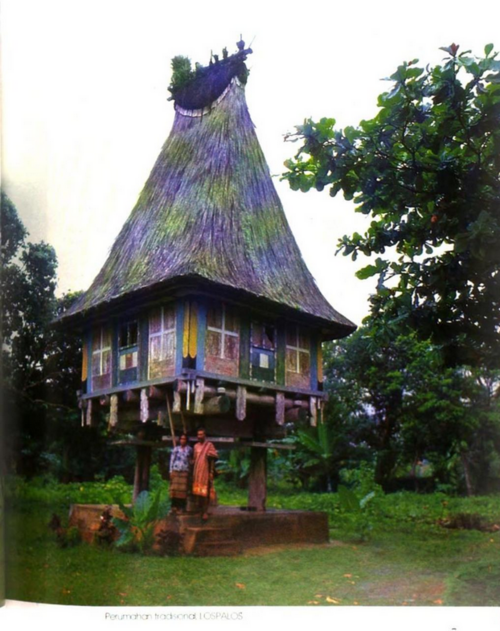
They are also where births, marriages, deaths and All Souls' Day are celebrated. They also served as a place where Timorese elders gathered and sat to discuss.
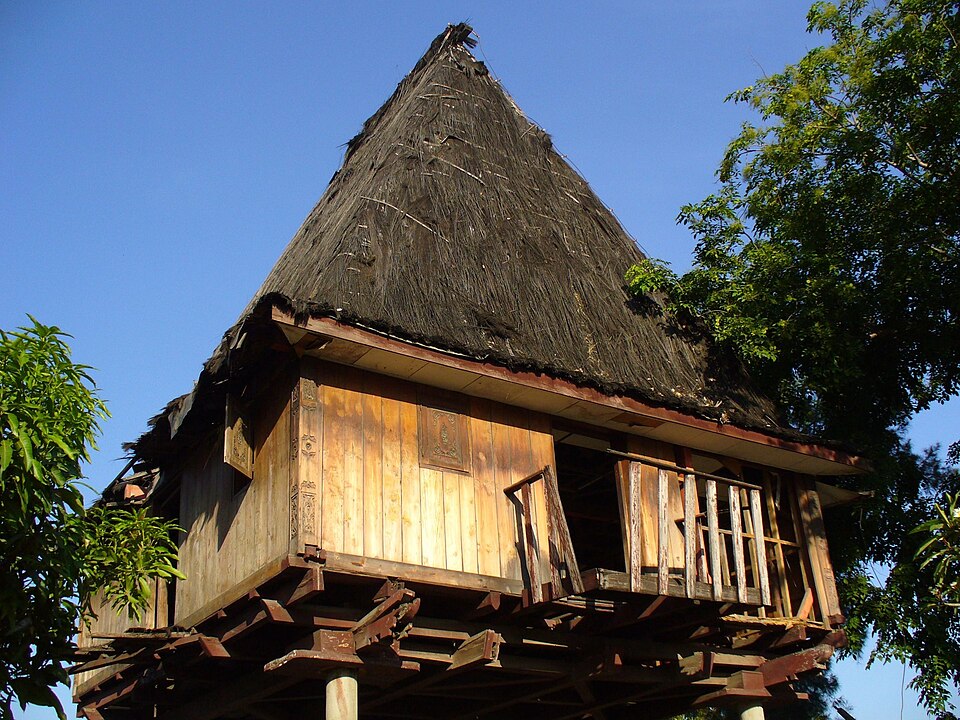
Uma Luliks are diverse, and their style depend greatly on the region they are built and the ethnic group they were built by. They are typically built or renovated each 10 or 20 years and each belong to a family, those who have formed a bond with it through marriage or their descendants (i.e. a clan).
In the 19th century they invariably stood in a cleared space within a grove of trees or an elevated spot, surrounded by a thick fence. Within the enclosure, no blade of grass could be plucked or stone overturned for fear of divine retribution, nor was tobacco permitted to be taken within the sacred boudaries, nor horses or buffalo.
Further reading
Uma Lulik is one of the 3D puzzles in World Artifacts: turn a cloud of broken pieces until it lines up. For iPhone, iPad, Apple Vision Pro and Android.

