World Artifacts › Atlas › Turkey
Hammam Bowl
The domed copper bowl is for pouring water over yourself on the marble slab, and the bathing sequence goes from a warm room to a hot one before any washing happens. The bowl's dome makes it easy to lift from a wet surface.
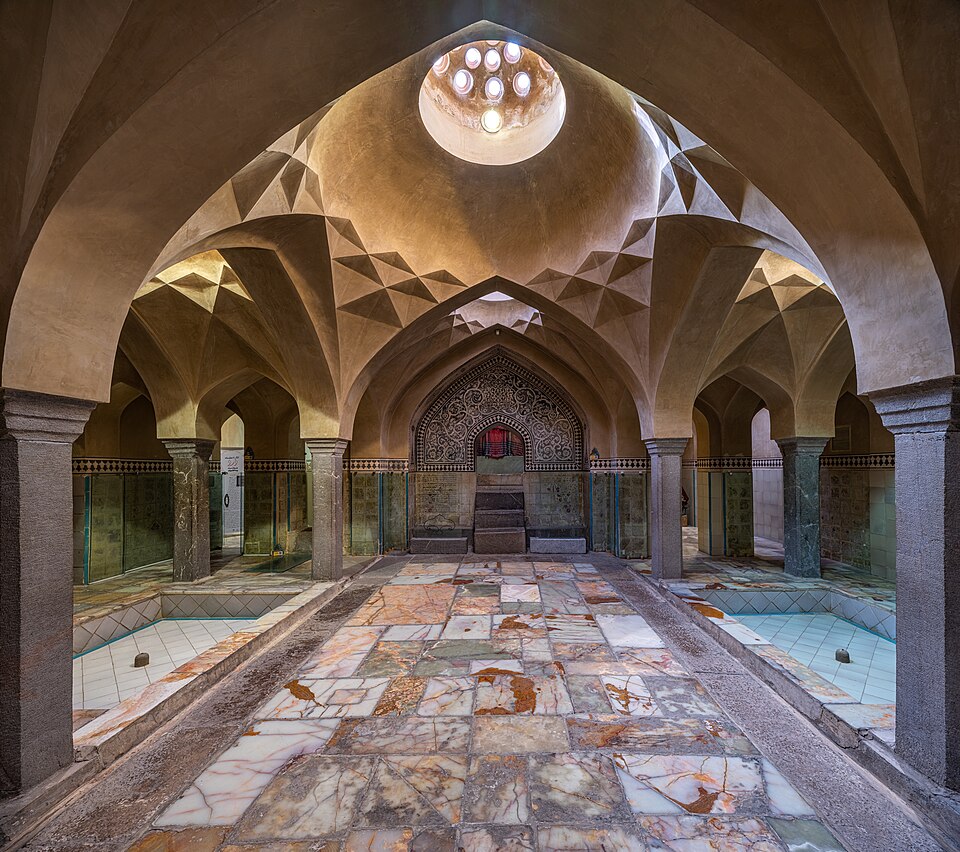
A hammam (Arabic: حمّام, romanized: ḥammām), also often called a Turkish bath by Westerners, is a type of steam bath or a place of public bathing associated with the Islamic world. It is a prominent feature in the culture of the Muslim world and was inherited from the model of the Roman thermae. Muslim bathhouses or hammams were historically found across the Middle East, North Africa, al-Andalus (Islamic Iberia, i.e. Spain and Portugal), Central Asia, the Indian subcontinent, and in Southeastern Europe (notably Balkans and Hungary) under Ottoman rule.
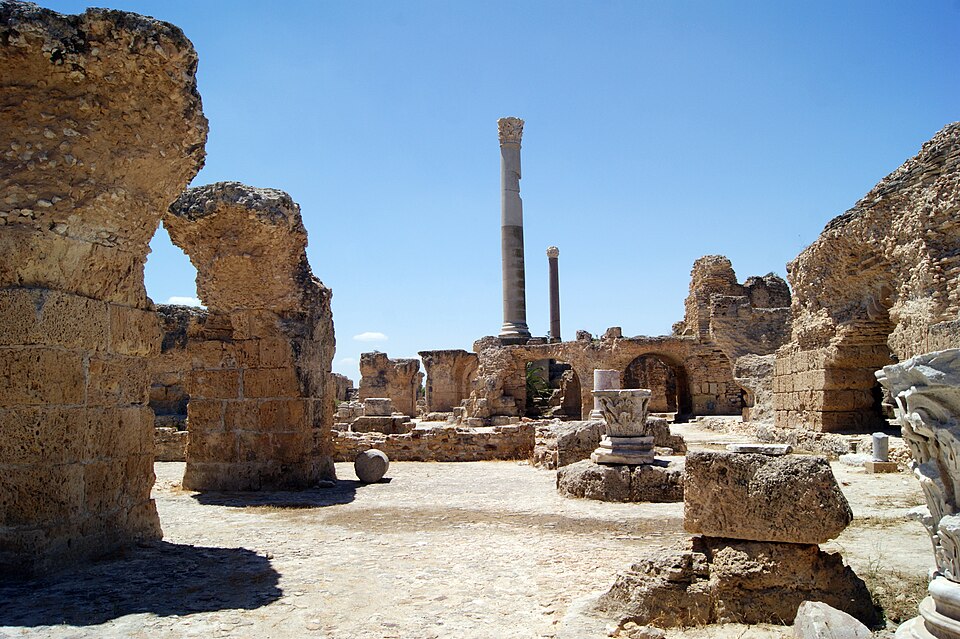
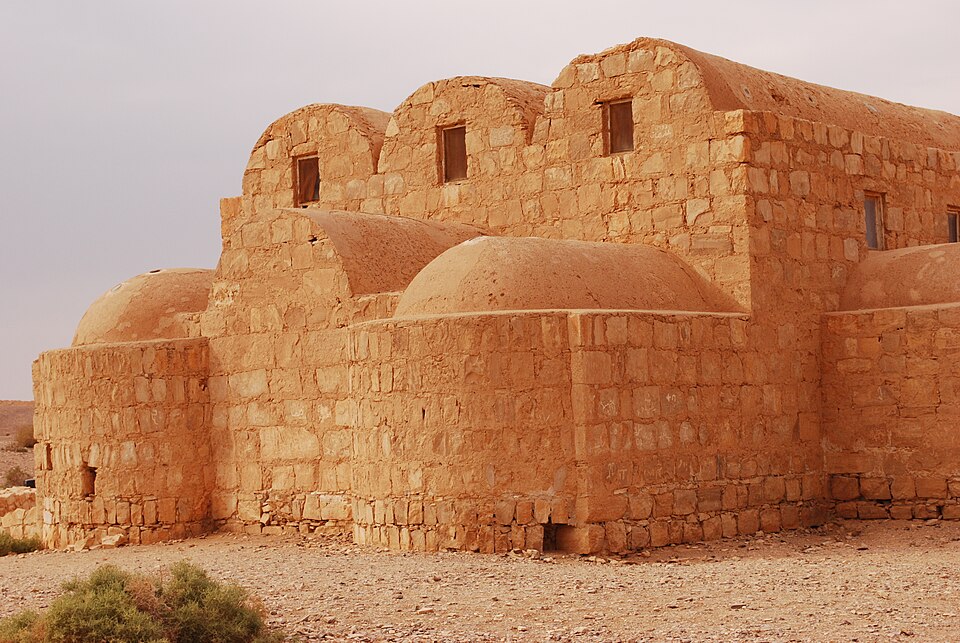
In Islamic cultures the significance of the hammam was both religious and civic: it provided for the needs of ritual ablutions but also provided for general hygiene in an era before private plumbing and served other social functions such as offering a gendered meeting place for men and for women. Archeological remains attest to the existence of bathhouses in the Islamic world as early as the Umayyad period (7th-8th centuries) and their importance has persisted up to modern times. Their architecture evolved from the layout of Roman and Greek bathhouses and featured a regular sequence of rooms: an undressing room, a cold room, a warm room, and a hot room. Heat was produced by furnaces which provided hot water and steam, while smoke and hot air was channeled through conduits under the floor.
Further reading
- Taking the Waters · Alev Lytle Croutier (1992)A book on bathing customs, baths and water traditions, including their folklore and health uses.Find a copy: AbeBooks · Amazon · WorldCat
- Cemberlitas Hamami in Istanbul · Nina Macaraig (2018)A study of Çemberlitaş Hamamı, a public bath in Istanbul, including its architecture and Ottoman history.Find a copy: AbeBooks · Amazon · WorldCat
Hammam Bowl is one of the 3D puzzles in World Artifacts: turn a cloud of broken pieces until it lines up. For iPhone, iPad, Apple Vision Pro and Android.

