World Artifacts › Atlas › Turkey
Turkish Carpet
A knotted carpet has a pile and takes months; a kilim is flat-woven with no pile at all and is made faster and used differently. Patterns carry meaning by region, and a weaver's own additions are how a piece is dated and placed.
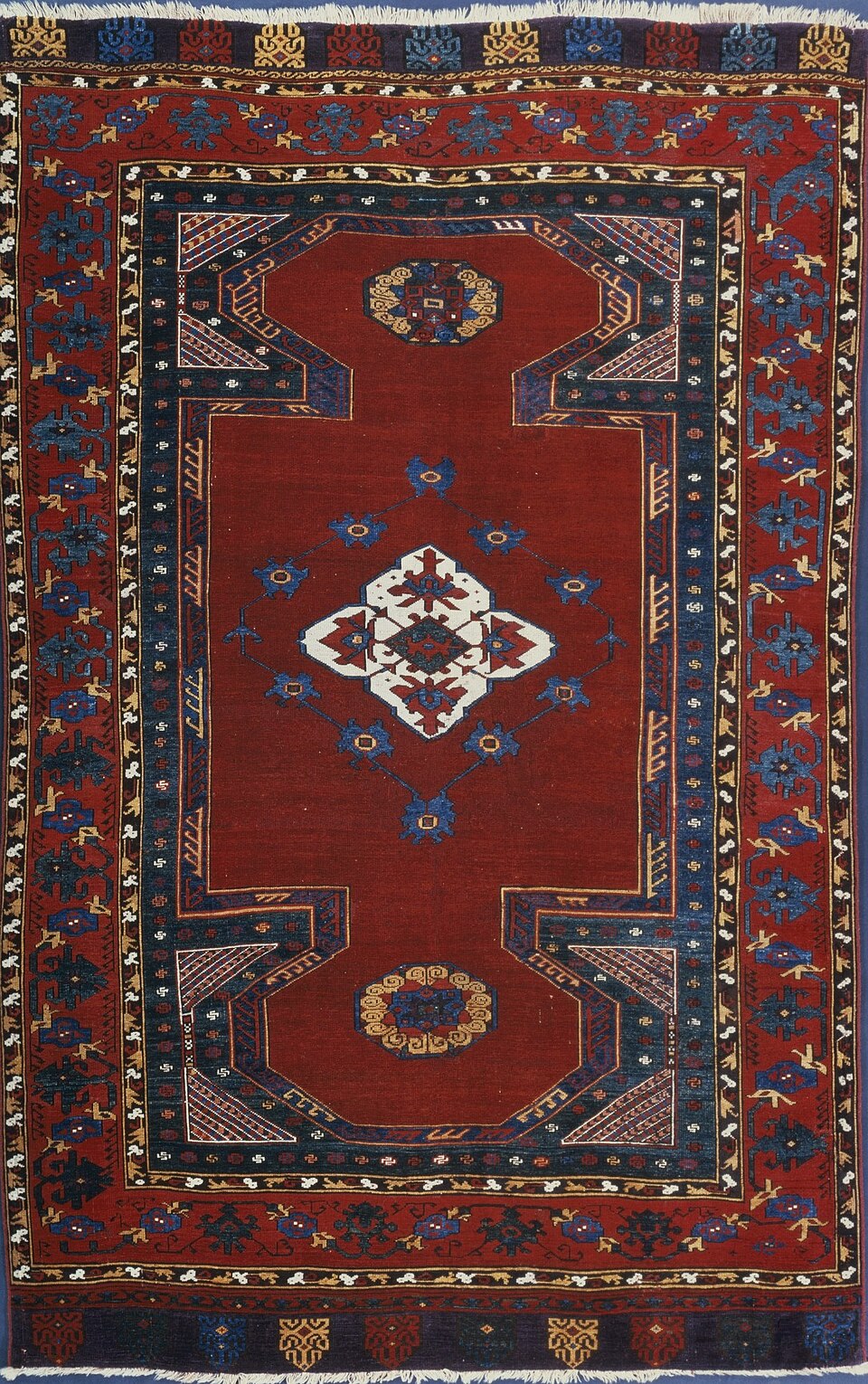
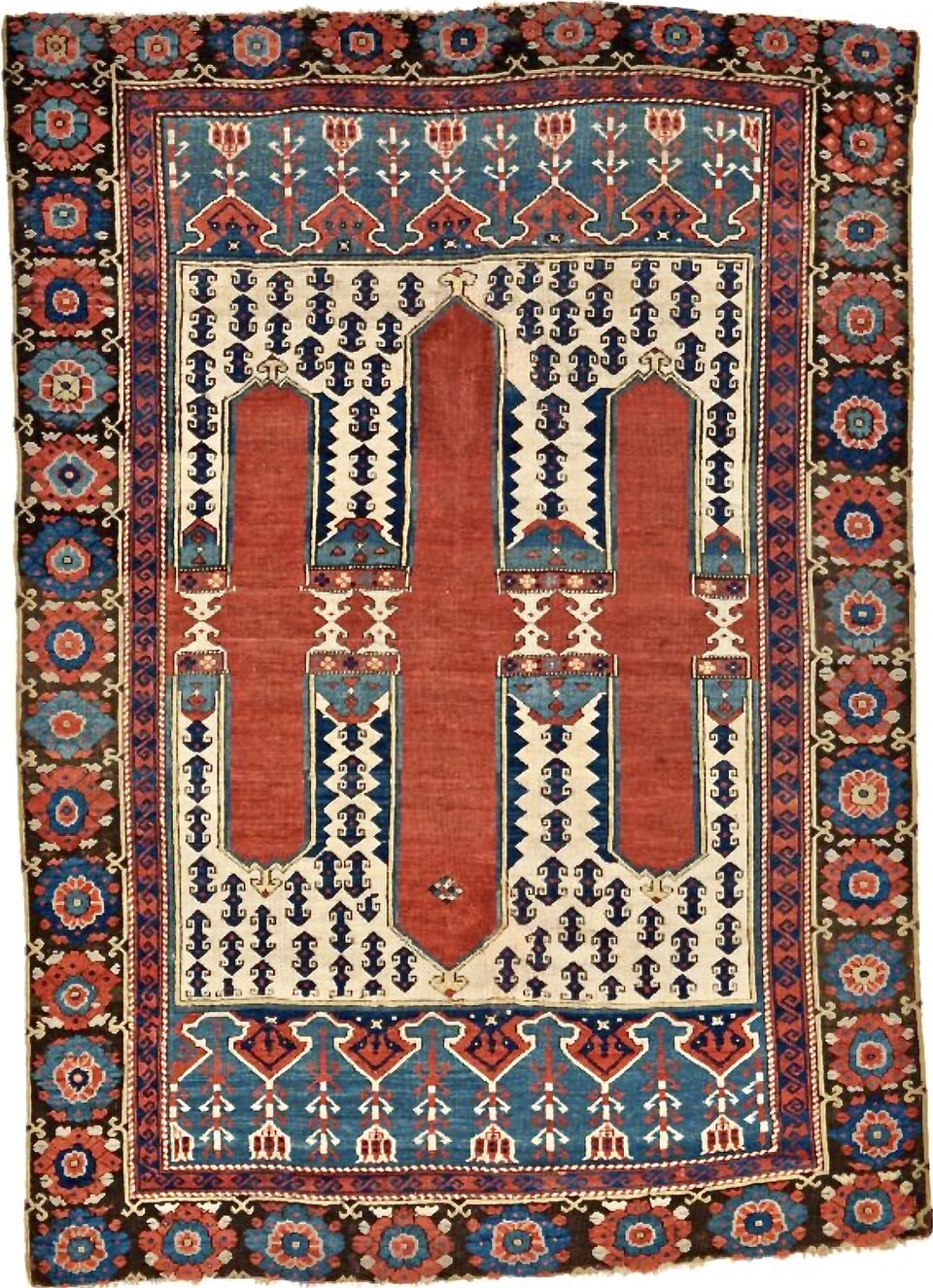
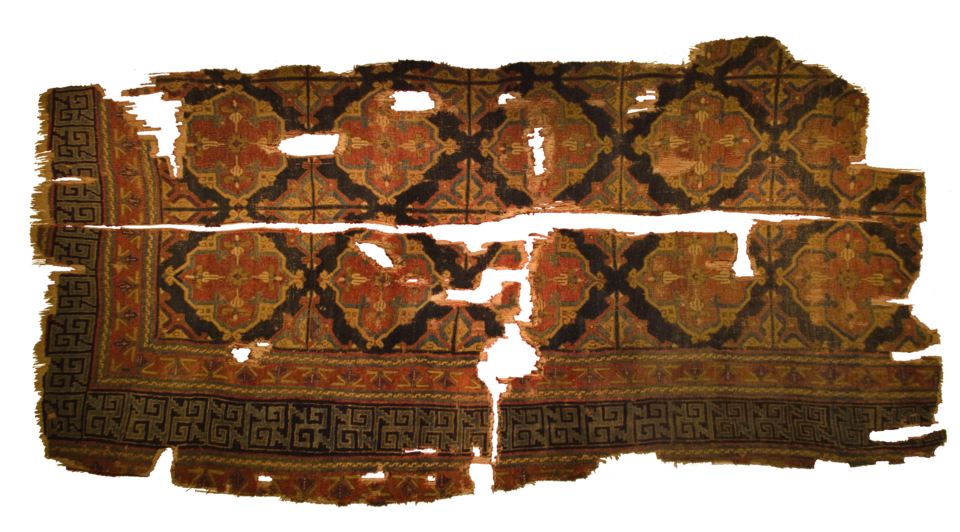
Anatolian rug or Turkish carpet (Turkish: Türk Halısı) is a term of convenience, commonly used today to denote rugs and carpets woven in Anatolia and its adjacent regions. Geographically, its area of production can be compared to the territories which were historically dominated by the Ottoman Empire. It denotes a knotted, pile-woven floor or wall covering which is produced for home use, local sale, and export, and religious purpose. Together with the flat-woven kilim, Anatolian rugs represent an essential part of the regional culture, which is officially understood as the Culture of Turkey today, and derives from the ethnic, religious and cultural pluralism of one of the most ancient centres of human civilisation.
Further reading
- Kilim · Alastair Hull (1993)A book on kilims, covering the flat-woven rugs and their techniques.Find a copy: AbeBooks · Amazon · WorldCat
- Classical Tradition in Anatolian Carpets · Walter B. Denny (2002)A study of the classical tradition in Anatolian carpets, with exhibition catalog coverage.Find a copy: AbeBooks · Amazon · WorldCat
Turkish Carpet is one of the 3D puzzles in World Artifacts: turn a cloud of broken pieces until it lines up. For iPhone, iPad, Apple Vision Pro and Android.

