World Artifacts › Atlas › Taiwan
Mazu
The sea goddess in a beaded crown.
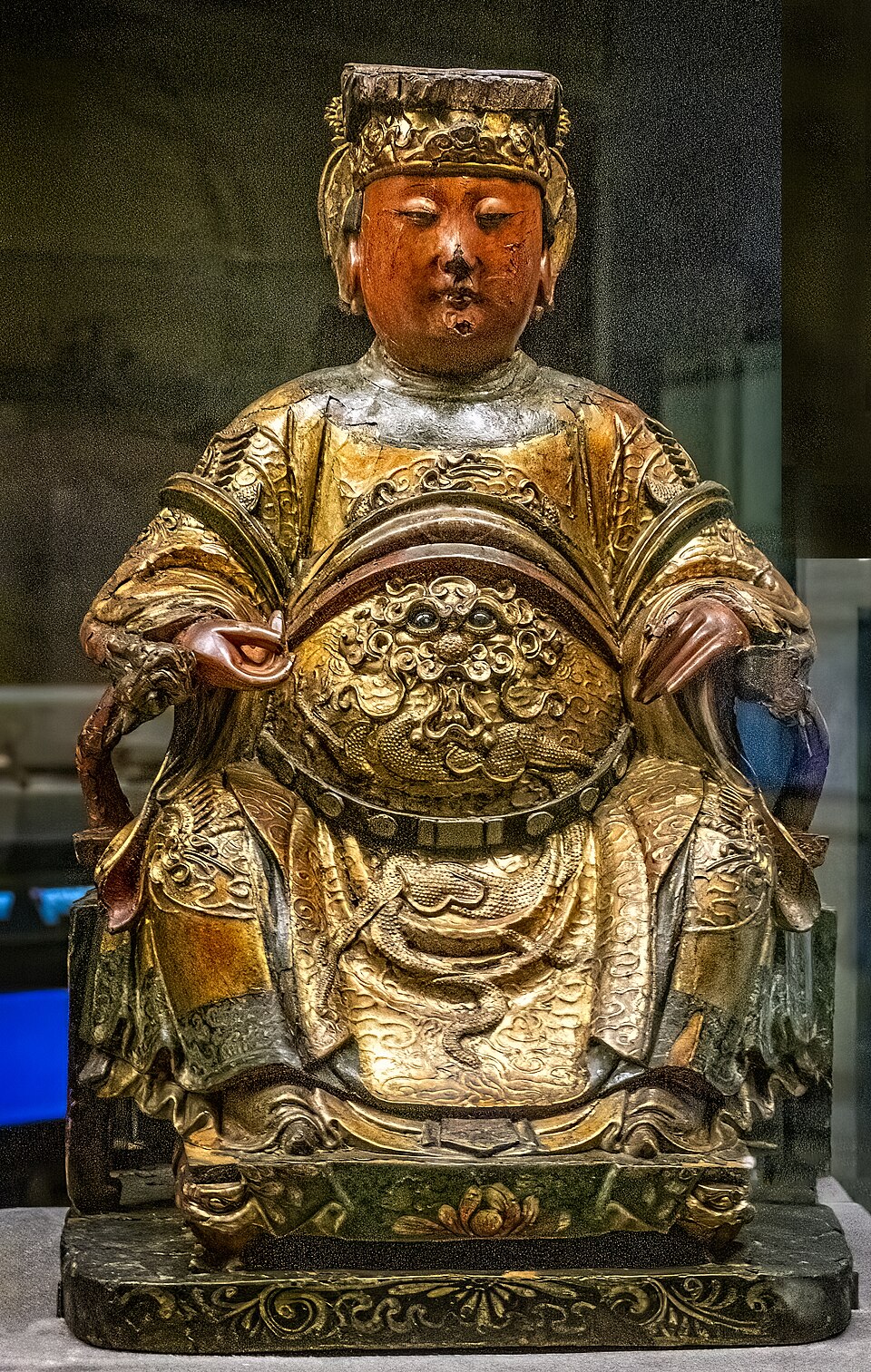
Mazu or Matsu is a sea goddess in Chinese folk religion, Chinese Buddhism, Confucianism, and Taoism. She is also known by several other names and titles. Mazu is the deified form of Lin Moniang (Chinese: 林默娘; pinyin: Lín Mòniáng; Pe̍h-ōe-jī: Lîm Be̍k-niû / Lîm Bia̍k-niû / Lîm Be̍k-niô͘), a shamaness from Fujian who is said to have lived in the late 10th century. After her death, she became revered as a tutelary deity of Chinese seafarers, including fishermen and sailors.
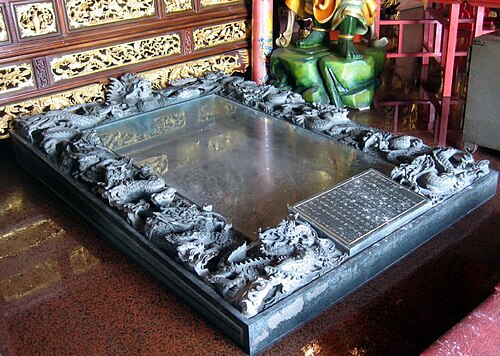
Her worship spread throughout China's coastal regions and overseas Chinese communities throughout Southeast Asia, where some Mazu temples are affiliated with famous Taiwanese temples. Traditionally, Mazu was believed to roam the seas, safeguarding her devotees through miraculous interventions. Her modern worship has expanded beyond the sea, however, and she is considered a Queen of Heaven.
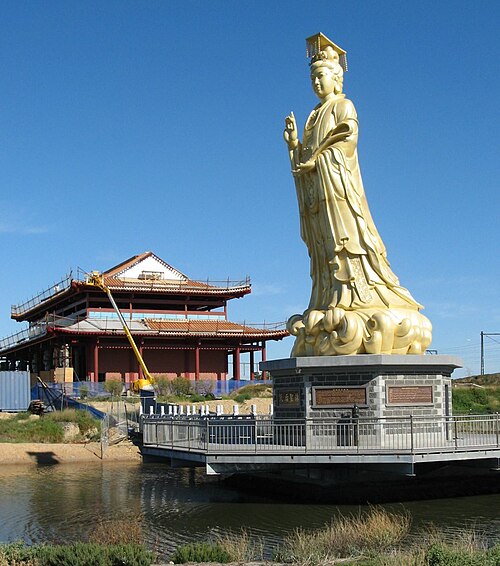
Mazu worship is popular in Taiwan because many early Chinese settlers in Taiwan were Hoklo people from Fujian. Her temple festival is a major event in Taiwan, with the largest celebrations occurring in and around her temples at Dajia and Beigang.
Mazu is one of the 3D puzzles in World Artifacts: turn a cloud of broken pieces until it lines up. For iPhone, iPad, Apple Vision Pro and Android.

