World Artifacts › Atlas › Ukraine
Bandura
The many-stringed lute-harp.
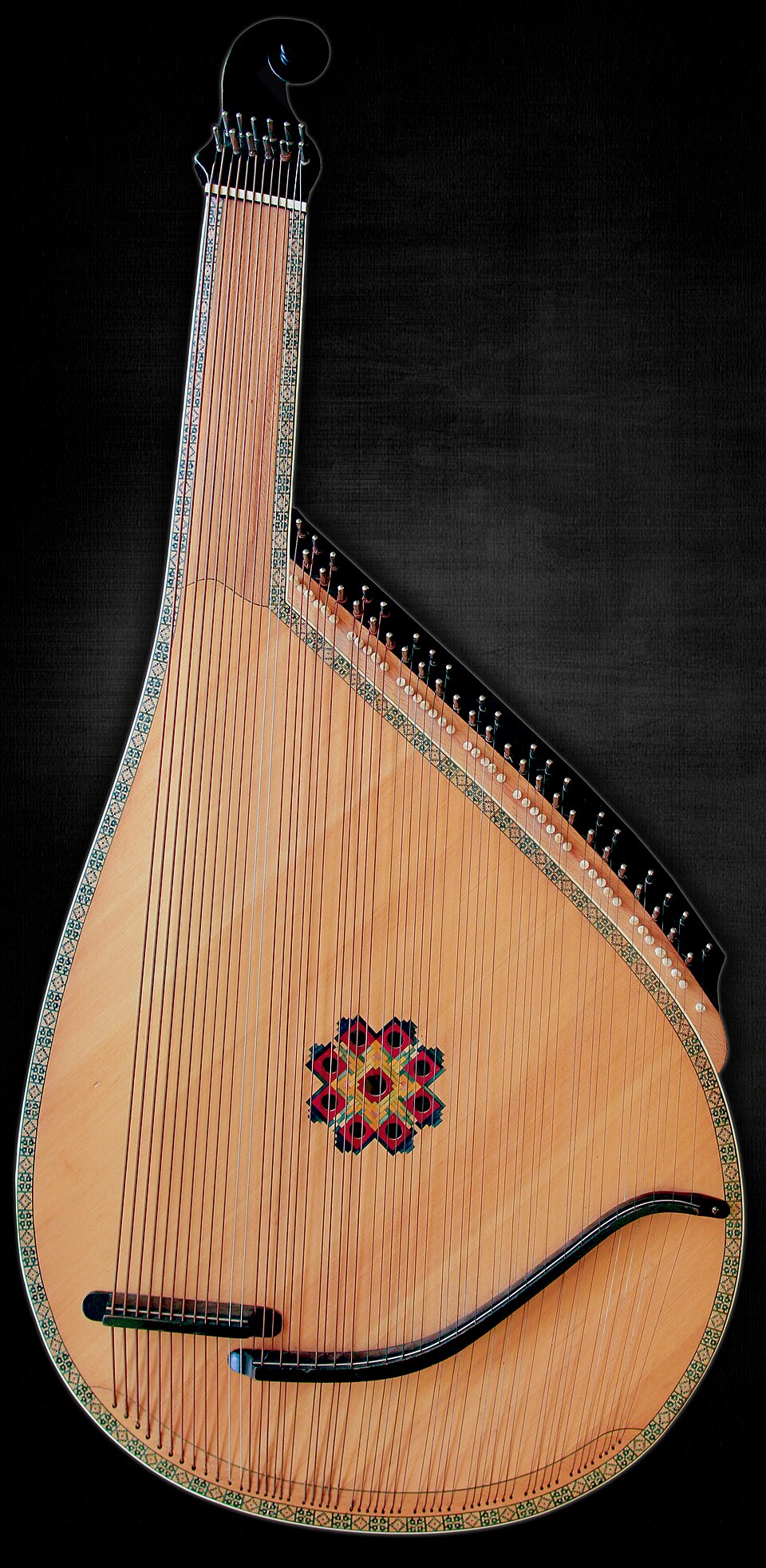
A bandura (Ukrainian: бандура [bɐnˈdurɐ] ) is a Ukrainian plucked-string folk-instrument. It combines elements of the zither and lute and, up until the 1940s, was also often called a kobza. Early instruments (c. 1700) had 5 to 12 strings and resembled lutes. In the 20th century, the number of strings increased initially to 31 strings (1926), then to 56 strings - 68 strings on modern "concert" instruments (1954).
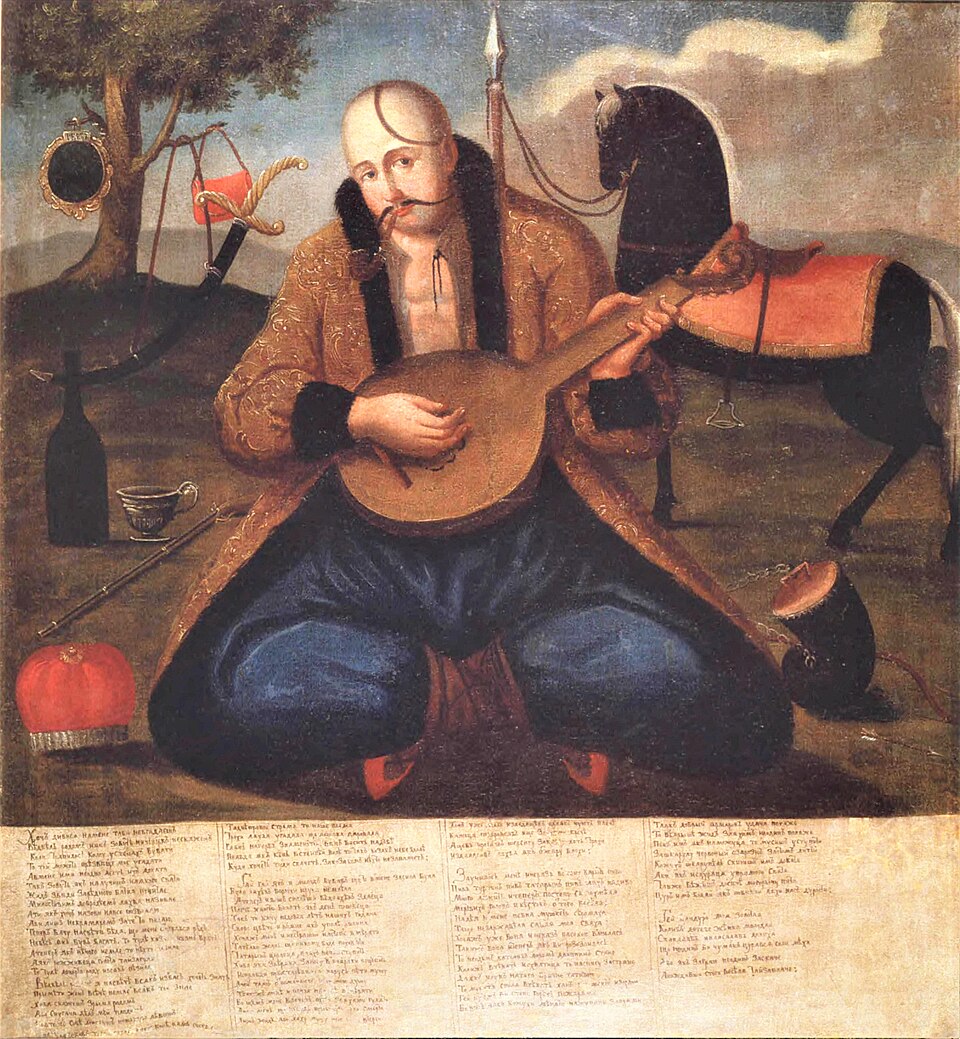
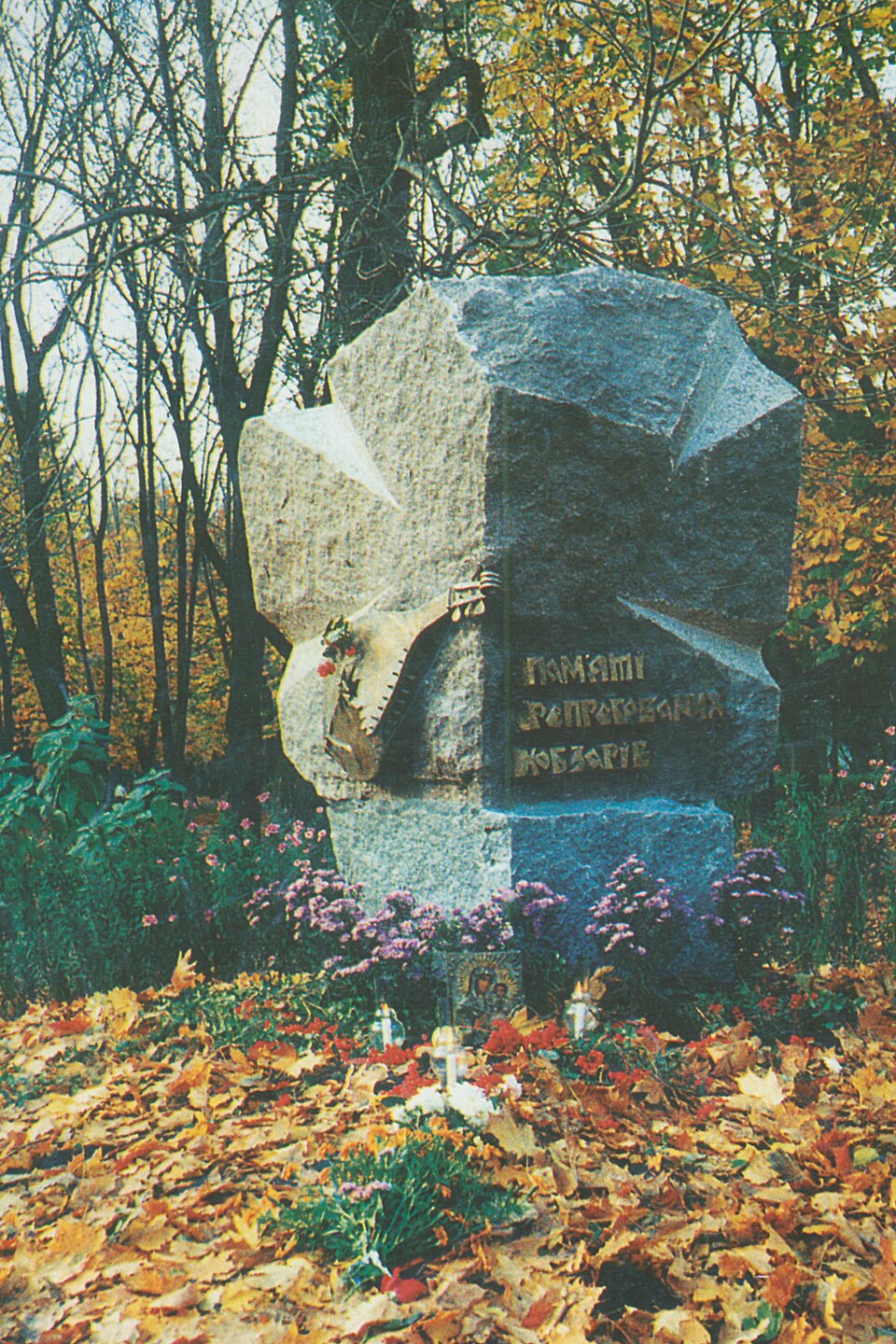
Musicians who play the bandura are referred to as bandurists. In the 19th and early 20th centuries traditional bandura players, often blind, were called kobzars. It is suggested that the instrument developed as a hybrid of gusli (Eastern-European psaltery) and kobza (Eastern-European lute). Some also consider the kobza as a type or an instrument resembling the bandura. The term bandura occurs in Polish chronicles from 1441. The hybridization, however, occurred in the late-18th or early-19th centuries.
Further reading
Bandura is one of the 3D puzzles in World Artifacts: turn a cloud of broken pieces until it lines up. For iPhone, iPad, Apple Vision Pro and Android.

