World Artifacts › Atlas › Ukraine
Pysanka
The decorated egg.
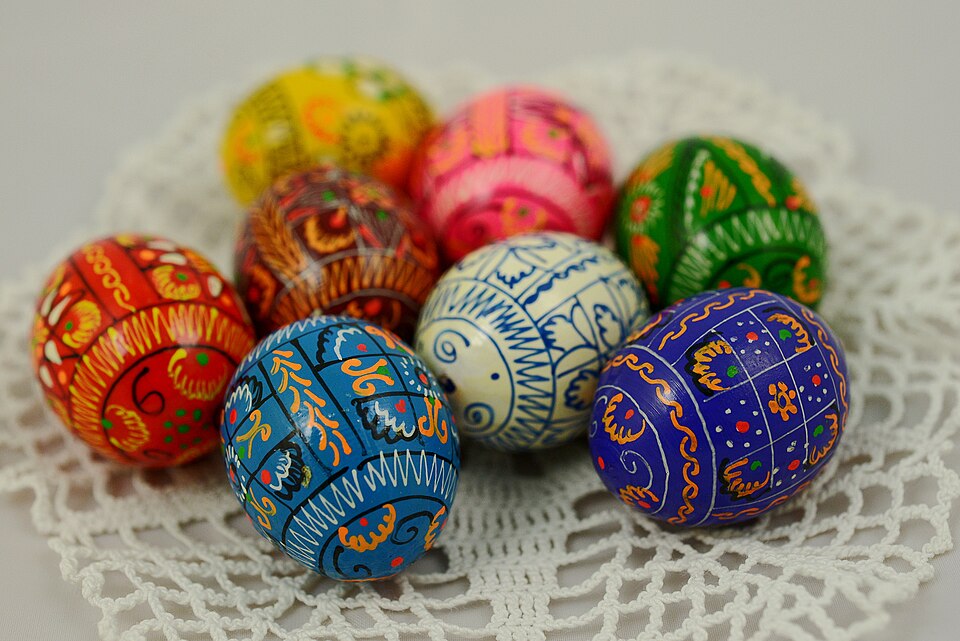
The tradition of egg decoration in Slavic cultures originated in pagan times, and was transformed by the process of religious syncretism into the Christian Easter egg. Over time, many new techniques were added. Some versions of these decorated eggs have retained their pagan symbolism, while others have added Christian symbols and motifs.
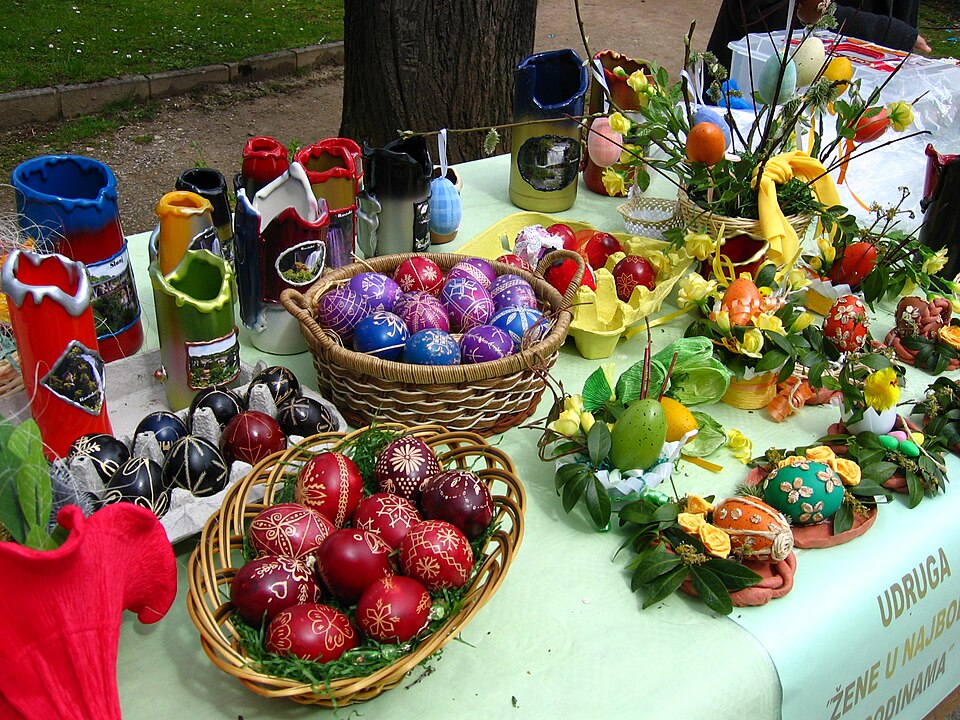
While decorated eggs of various nations have much in common, national traditions, color preferences, motifs used and preferred techniques vary.
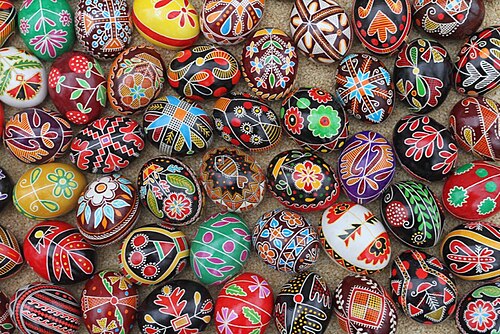
The oldest decorated eggs for were found in Ukraine. The tradition of decorating eggs (especially for Easter) was popularised and is no longer strictly Slavic, known across Europe and also practised in non-Slavic countries, e.g. Britain (since at least the 13th century), Spain, Hungary (hímestojás), Lithuania (margutis), Romania (ouă vopsite, incondeiate or impistrite) and Sweden (måla ägg, since at least the 18th century).
In Central Europe in particular, it developed into a small-scale art form.
Further reading
Pysanka is one of the 3D puzzles in World Artifacts: turn a cloud of broken pieces until it lines up. For iPhone, iPad, Apple Vision Pro and Android.

