World Artifacts › Atlas › Uzbekistan
Al-Khwarizmi
The mathematician with an astrolabe.
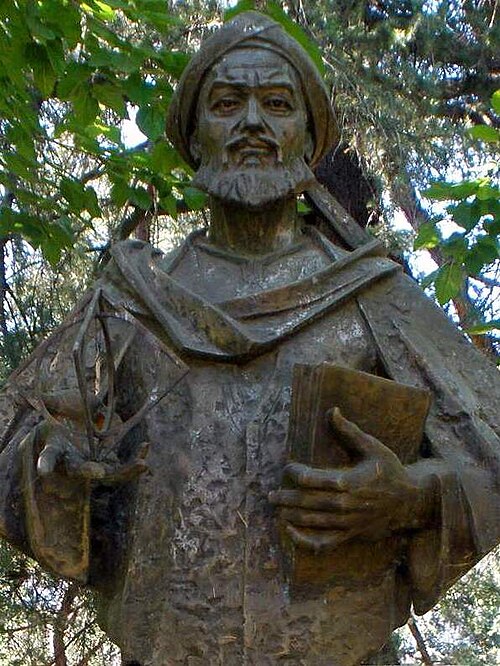
Muhammad ibn Musa al-Khwarizmi, or simply al-Khwarizmi (c. 780 - c. 850) was a mathematician active during the Islamic Golden Age, who produced Arabic-language works in mathematics, astronomy, and geography. Around 820, he worked at the House of Wisdom in Baghdad, the contemporary capital city of the Abbasid Caliphate. One of the most prominent scholars of the period, his works were widely influential on later authors, both in the Islamic world and Europe.
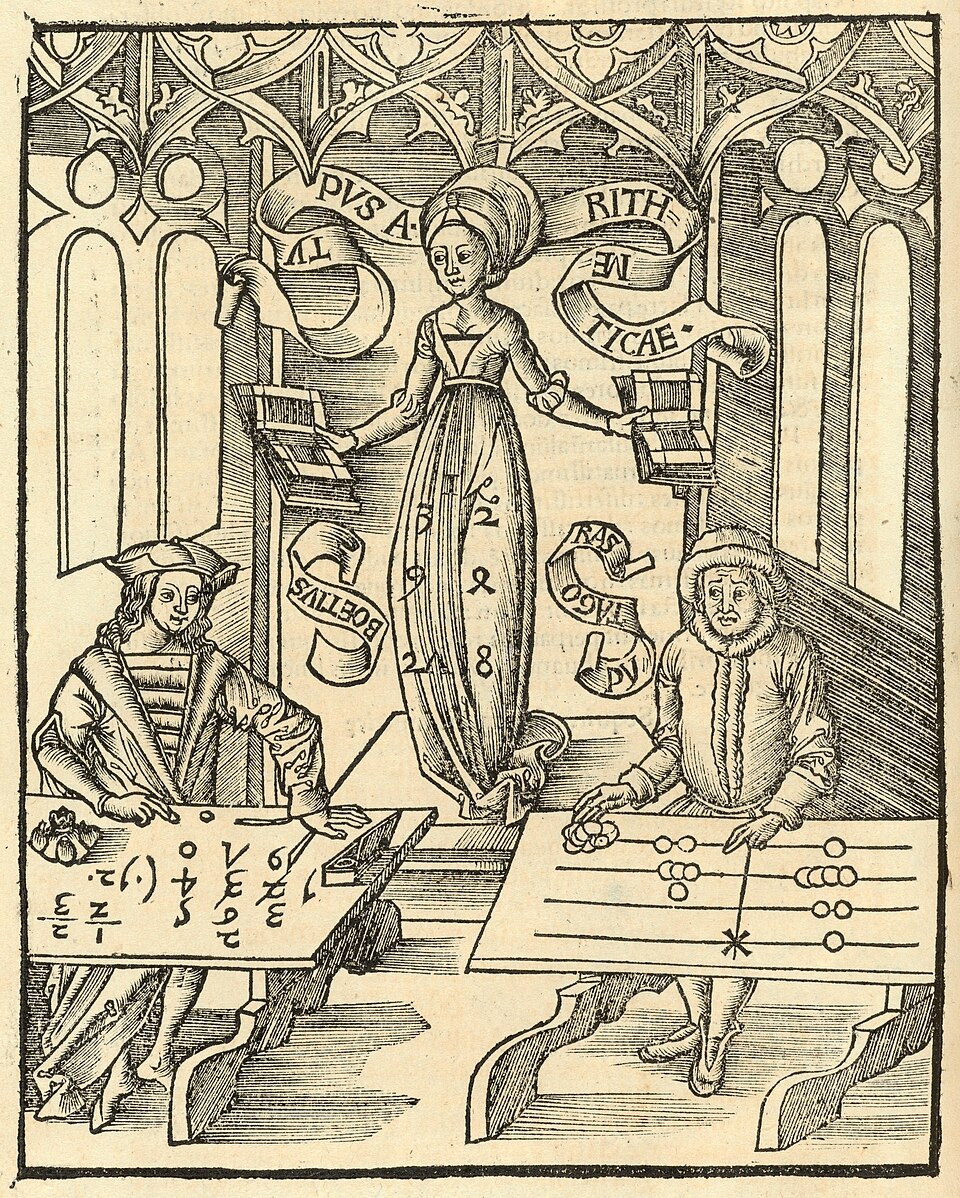
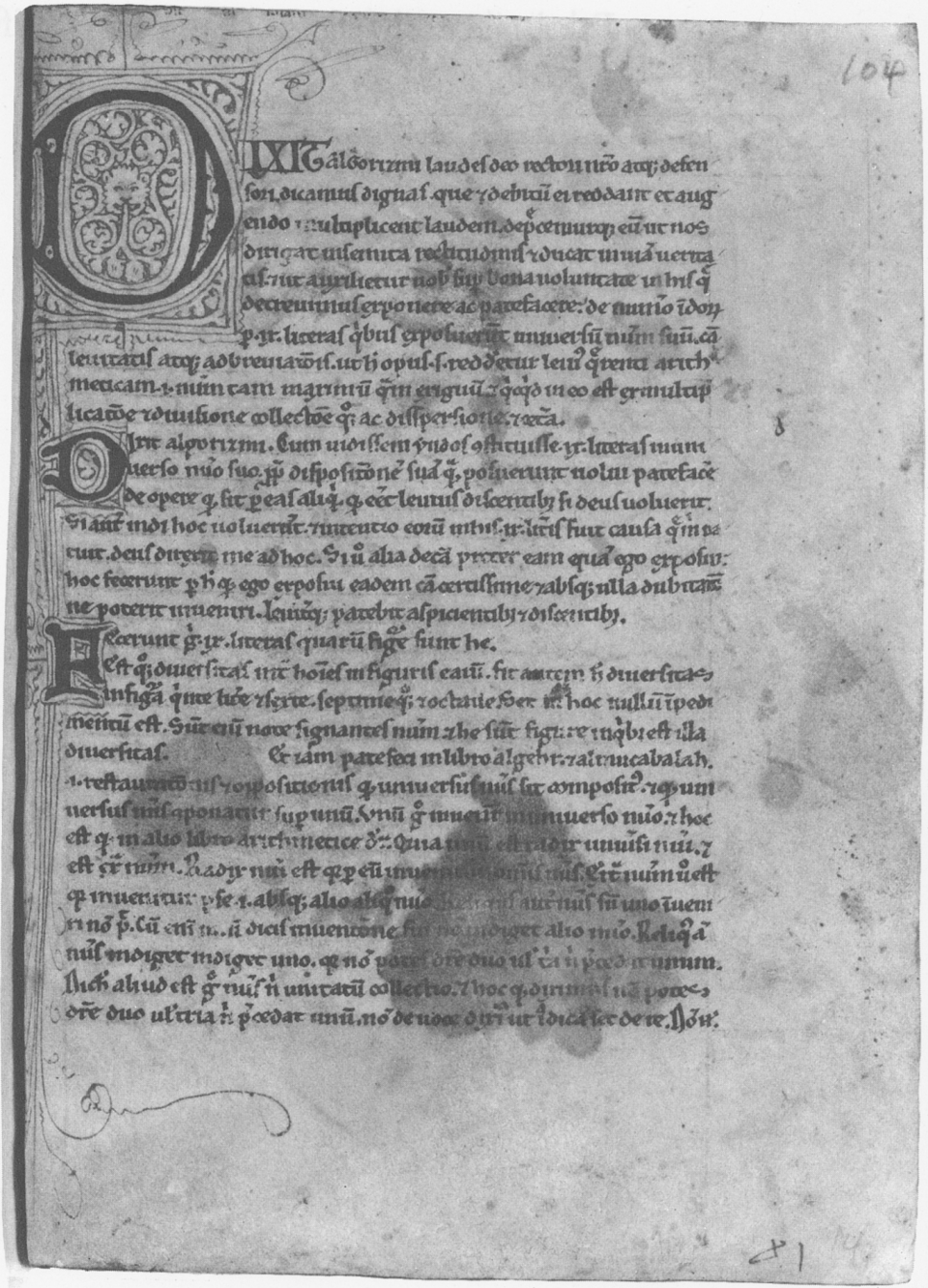
Few biographical details are known about al-Khwarizmi's life. His popularizing treatise on algebra, compiled between 813 and 833 as Al-Jabr (The Compendious Book on Calculation by Completion and Balancing), presented the first systematic solution of linear and quadratic equations. One of his achievements in algebra was his demonstration of how to solve quadratic equations by completing the square, for which he provided geometric justifications. Because al-Khwarizmi was the first person to treat algebra as an independent discipline and introduced the methods of "reduction" and "balancing" (the transposition of subtracted terms to the other side of an equation, that is, the cancellation of like terms on opposite sides of the equation), he has been described as the father or founder of algebra. The English term algebra comes from the short-hand title of his aforementioned treatise (الجبر Al-Jabr, transl. "completion" or "rejoining").
Further reading
Al-Khwarizmi is one of the 3D puzzles in World Artifacts: turn a cloud of broken pieces until it lines up. For iPhone, iPad, Apple Vision Pro and Android.

