World Artifacts › Atlas › Uzbekistan
Samanid Mausoleum
The patterned brick cube.
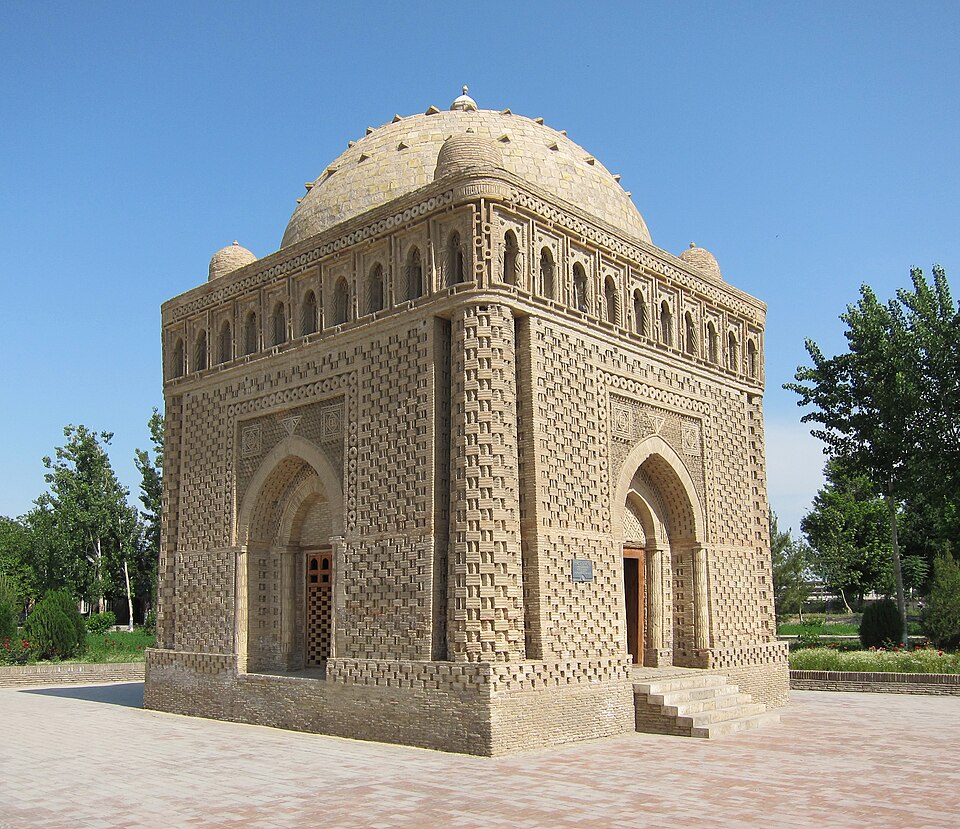
The Samanid Mausoleum (Uzbek: Ismoil Samoniy Maqbarsi) is a mausoleum located in the northwestern part of Bukhara, Uzbekistan, just outside its historic center. It was built in the 10th century CE as the resting place of the powerful and influential Islamic Samanid dynasty that ruled the Samanid Empire from approximately 900 to 1000. It contained three burials, one of whom is known to have been that of Nasr II.
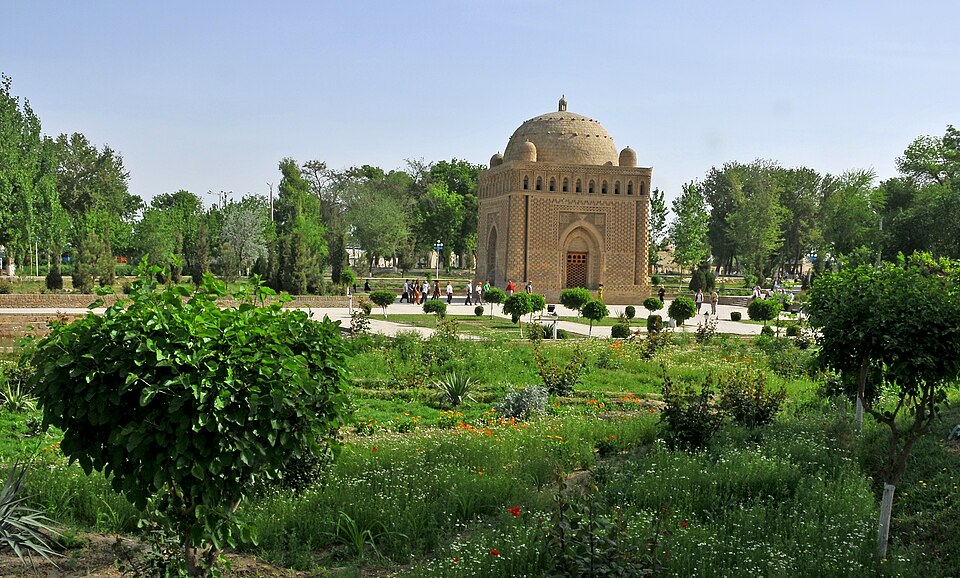
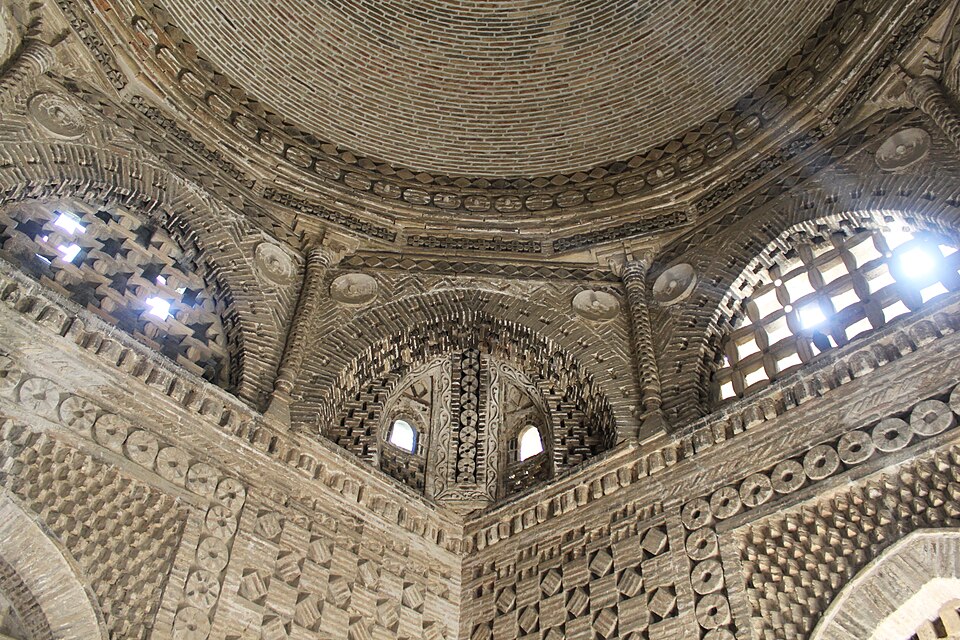
The mausoleum is considered one of the iconic examples of early Islamic architecture and is known as the oldest funerary building of Central Asian architecture. The Samanids established their de facto independence from the Abbasid Caliphate in Baghdad and ruled over parts of modern Afghanistan, Iran, Uzbekistan, Tajikistan, and Kazakhstan. It is the only surviving monument from the Samanid era, but American art historian Arthur Upham Pope called it "one of the finest in Persia".
Further reading
- Monuments of Central Asia · Edgar Knobloch (2001)A guide to the architecture and antiquities of Central Asia's monuments.Find a copy: AbeBooks · Amazon · WorldCat
- Architecture of the Islamic world · Ernst J. Grube (1995)A survey of Islamic architecture across the Islamic world.Find a copy: AbeBooks · Amazon · WorldCat
Samanid Mausoleum is one of the 3D puzzles in World Artifacts: turn a cloud of broken pieces until it lines up. For iPhone, iPad, Apple Vision Pro and Android.

