World Artifacts › Atlas › Kosovo
Plis
The white felt cap.
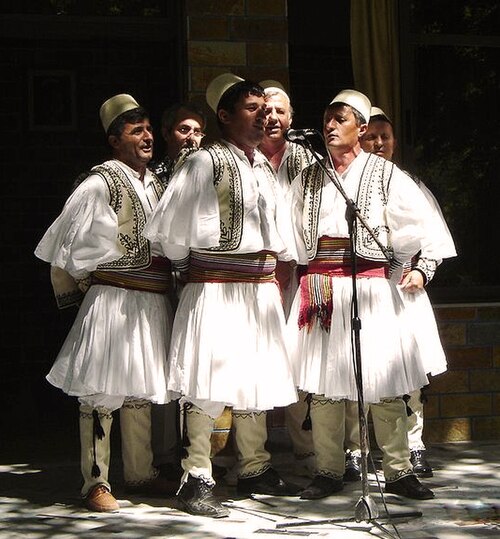
The traditional Albanian clothing (Albanian: Veshjet Tradicionale Shqiptare; Veshjet Kombëtare; Veshjet Popullore or Kostumet Kombëtare) includes more than 500 different varieties of clothing in all Albania and the Albanian-speaking territories and communities (including the Arbëreshë in Italy, Arvanites in Greece and Arbanasi in Croatia). Albania's recorded history of clothing goes back to classical times. It is one of the factors that has differentiated this nation from other European countries, dating back to the Illyrian period.
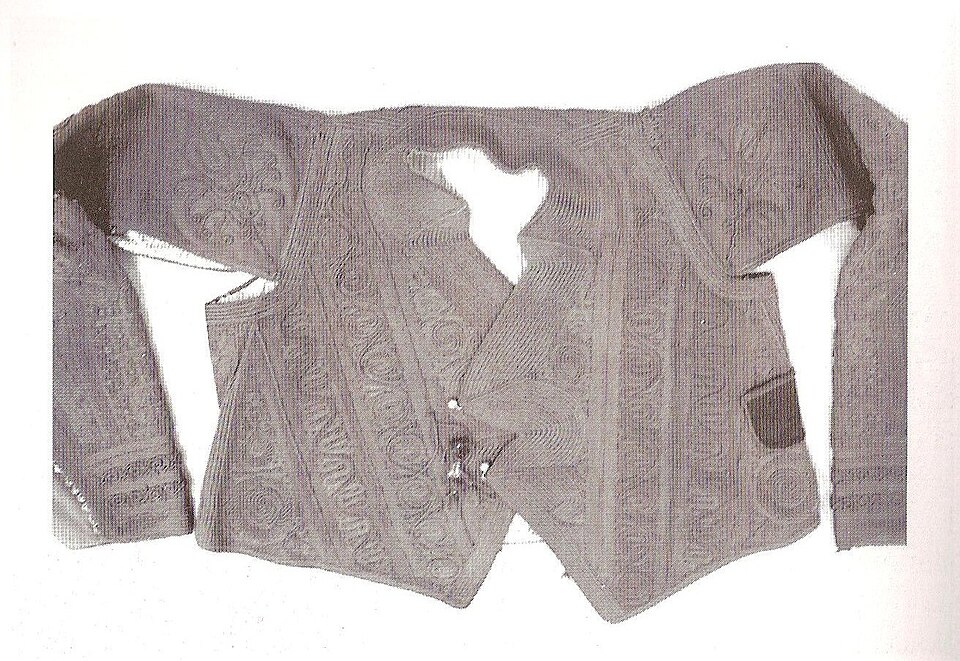
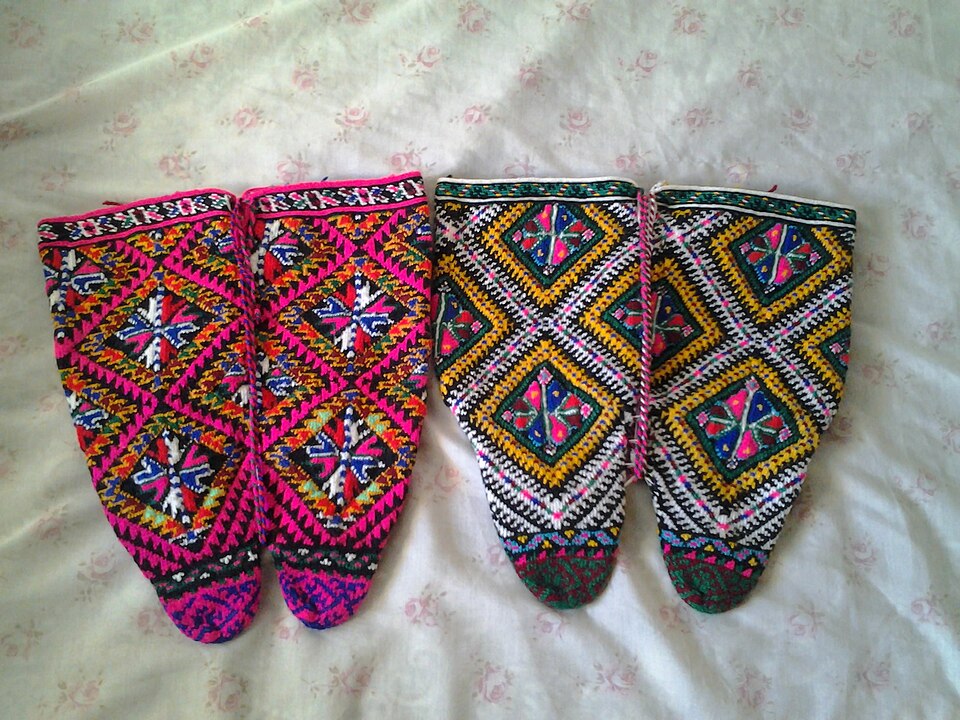
Almost every cultural and geographical region in the country has its own specific variety of costume that varies in detail, material, color, shape, and form. Albanian folk dress is often decorated with symbolic elements of Illyrian antique pagan origin, like suns, eagles, moons, stars, and snakes. Fabrics are traditionally made by weaving clothes using looms. To this day, some conservative old men and women mainly from the North wear traditional clothing in their daily lives. Instead, older women from the South usually wear all-black outfits. Men and boys are usually seen wearing long, white skirts and long socks that are similar to tights.
Further reading
Plis is one of the 3D puzzles in World Artifacts: turn a cloud of broken pieces until it lines up. For iPhone, iPad, Apple Vision Pro and Android.

