World Artifacts › Atlas › South Africa
Cradle of Humankind Dome
The caves in this valley have produced something like a third of all early hominin fossils ever found, including a skull nearly three million years old and an entire species discovered in 2013 by two cavers who were thin enough to fit through the gap.
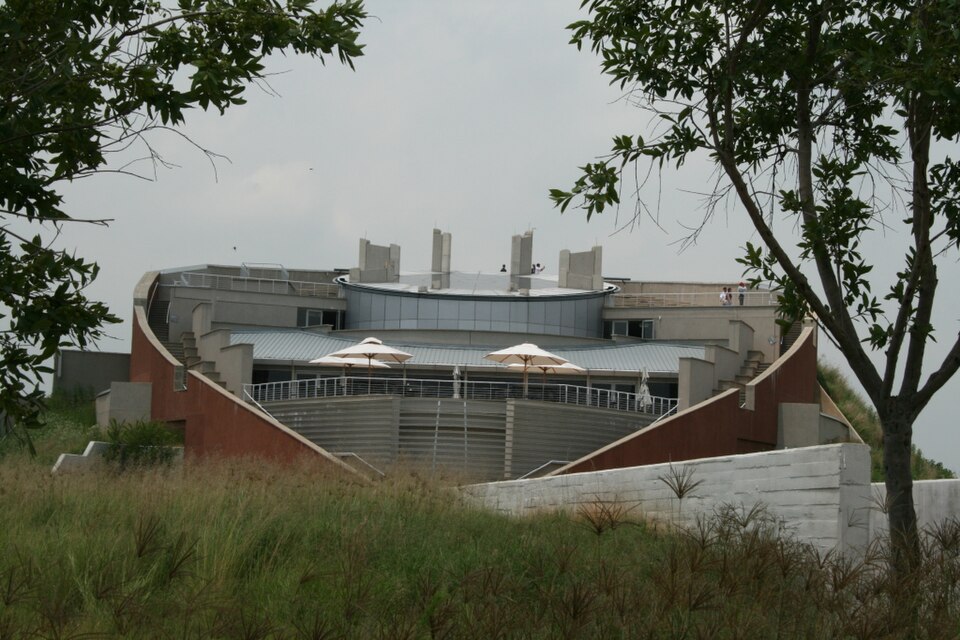
The Cradle of Humankind is a paleoanthropological site that is located about 50 km (31 mi) northwest of Johannesburg, South Africa, in the Gauteng province. Declared a World Heritage Site by UNESCO in 1999, the site is home to the largest known concentration of human ancestral remains anywhere in the world. The site currently occupies 47,000 hectares (120,000 acres) and contains a complex system of limestone caves. The registered name of the site in the list of World Heritage Sites is Fossil Hominid Sites of South Africa.
According to the South African Journal of Science, Bolt's Farm is the place where the earliest primates were discovered. Bolt's Farm was heavily mined for speleothem (calcium carbonate from stalagmites, stalactites, and flowstones) in the terminal nineteenth and early twentieth centuries.
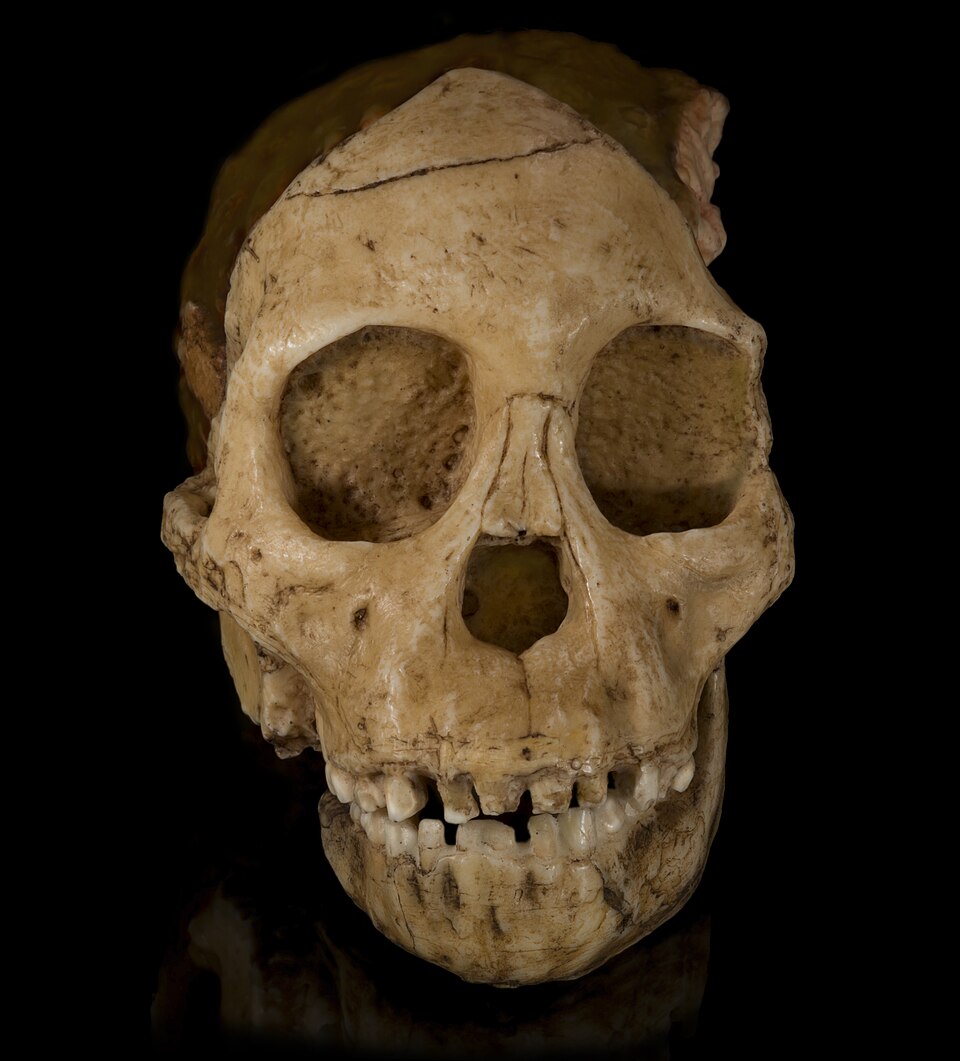
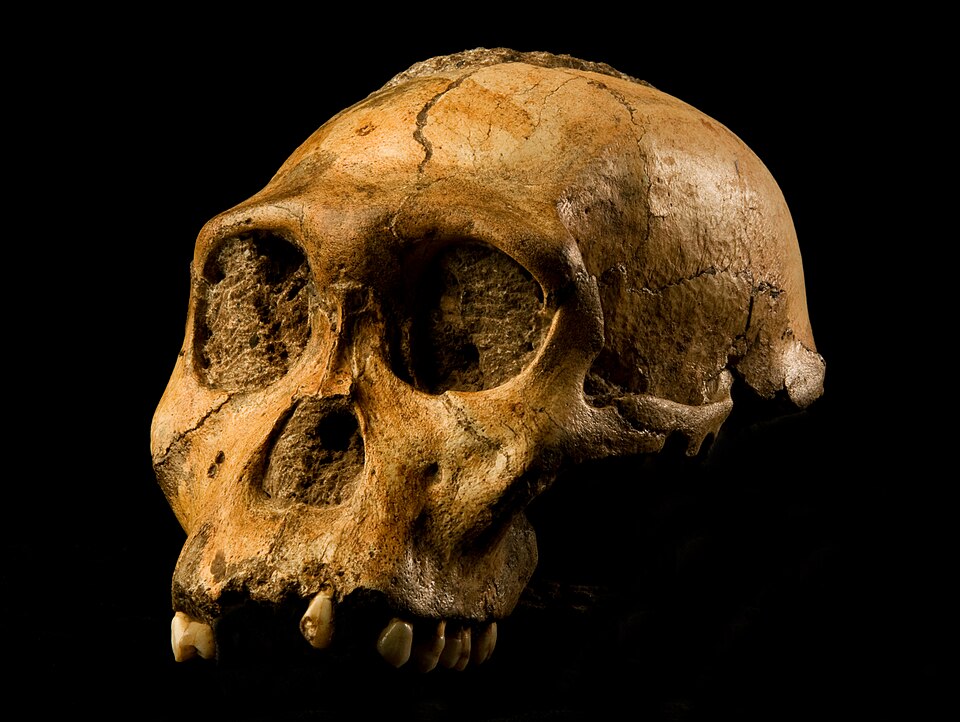
The Sterkfontein Caves were the site of the discovery of a 2.3-million-year-old fossil Australopithecus africanus (nicknamed "Mrs. Ples"), found in 1947 by Robert Broom and John T. Robinson. The find helped corroborate the 1924 discovery by Raymond Dart of the juvenile Australopithecus africanus skull known as the "Taung Child" at Taung in the North West Province of South Africa, where excavations still continue.
Nearby, but not in the site, the Rising Star Cave system contains the Dinaledi Chamber (chamber of stars), in which were discovered fifteen fossil skeletons of an extinct species of hominin, provisionally named Homo naledi.
Further reading
Cradle of Humankind Dome is one of the 3D puzzles in World Artifacts: turn a cloud of broken pieces until it lines up. For iPhone, iPad, Apple Vision Pro and Android.

